 United States
 Australia
 United Kingdom
 Singapore
 Malaysia
 Thailand
 Indonesia


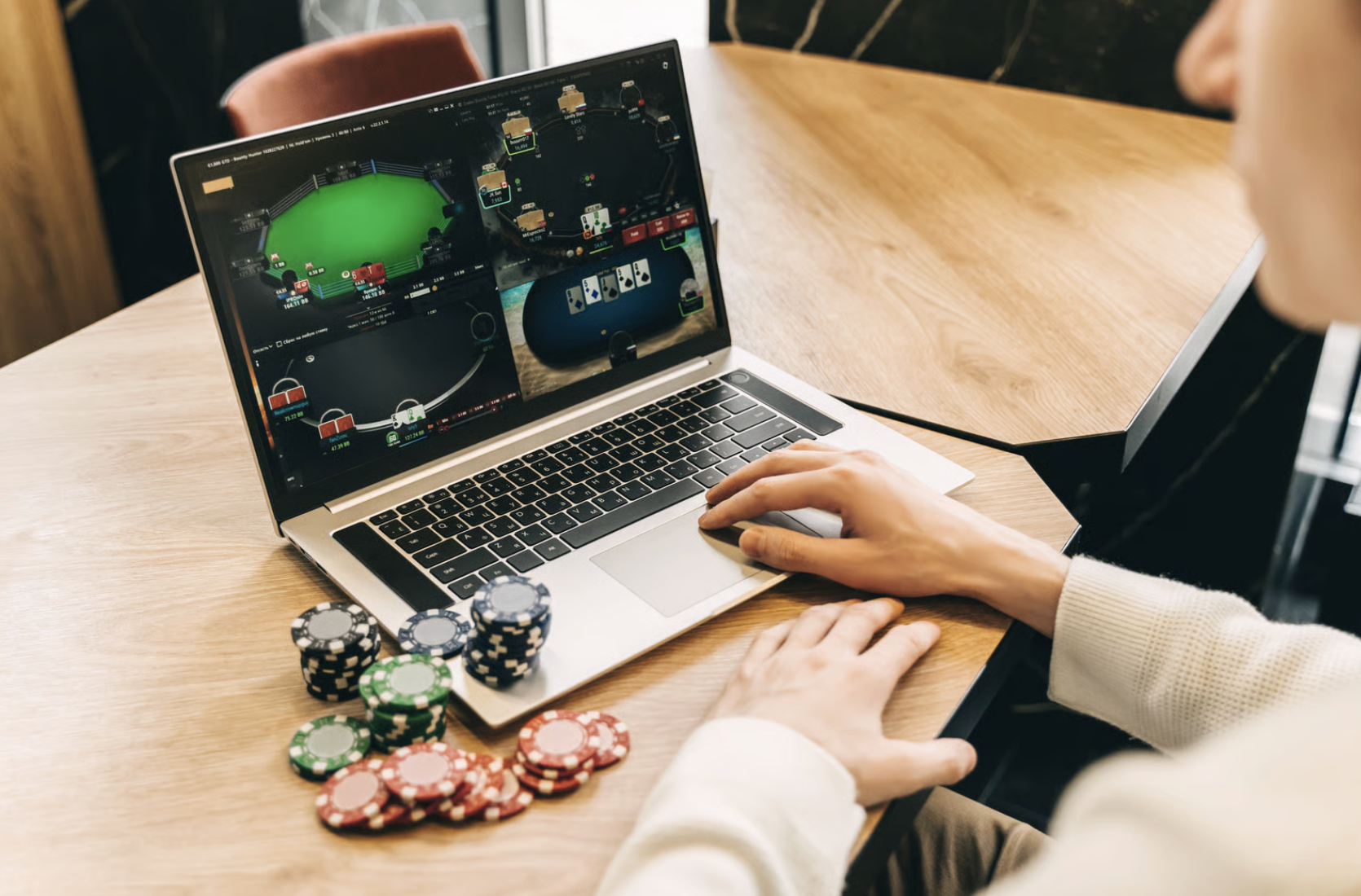
The influencer gambling loophole might come to an end.
Australia’s proposed gambling reforms could close the influencer loophole, putting paid betting promotions, fake wins and creator-led gambling content under greater scrutiny.
Influencers are already banned from promoting illegal gambling services in Australia. But hyping up legal ones might also come to an end — if the Albanese government manages to get its proposed reforms passed.
More than a ban, the reforms are a signal that creator marketing is entering a more regulated era in Australia.
Under the draft legislation, influencers, sports personalities and racing figures would be barred from accepting payment to promote gambling online, regardless of how many followers they have. The important detail is that there would be no follower threshold. The proposed restriction would not only apply to creators with mass audiences. It would apply to any person being paid to promote gambling odds online.
That distinction plays a huge role.
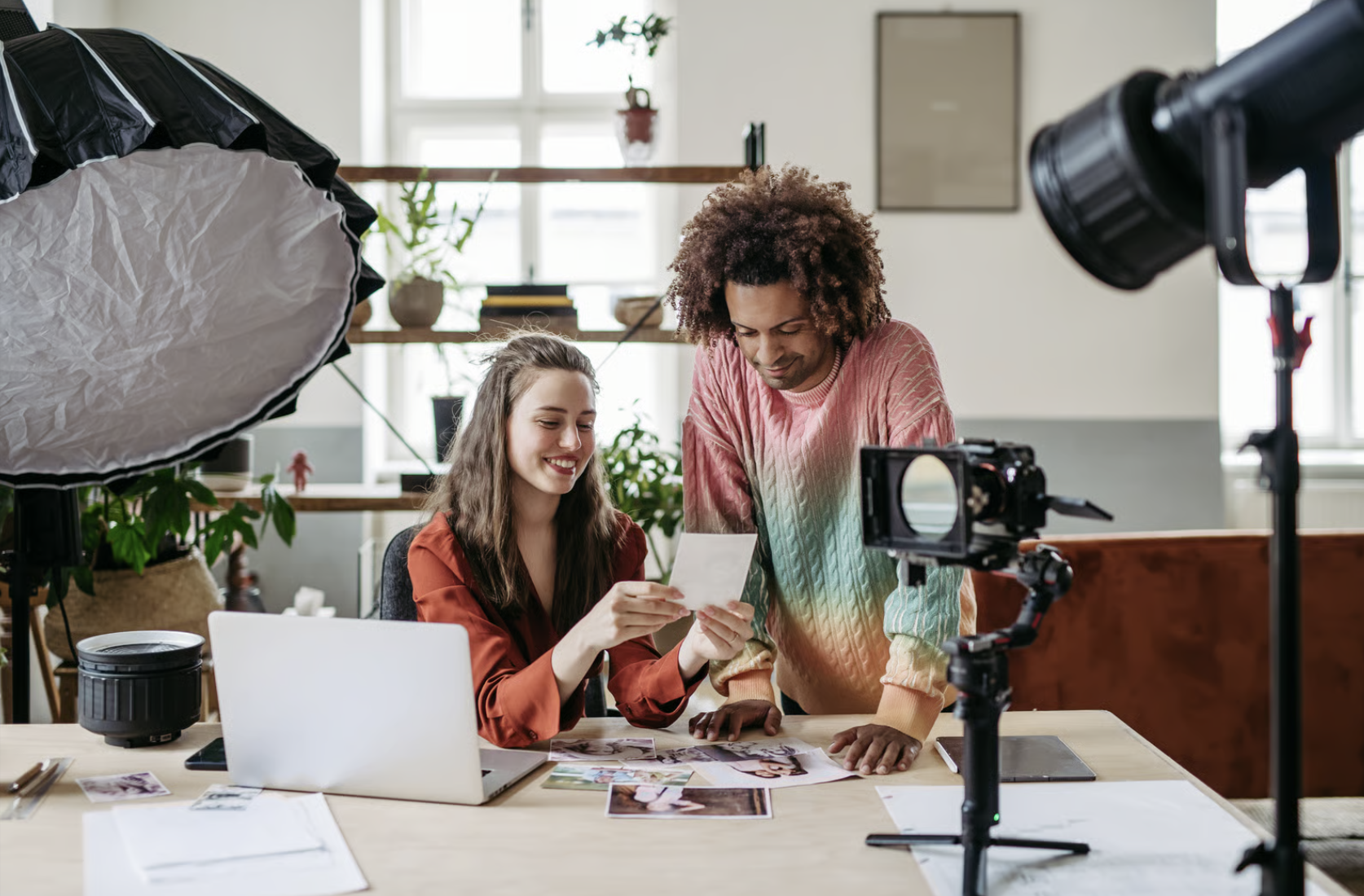
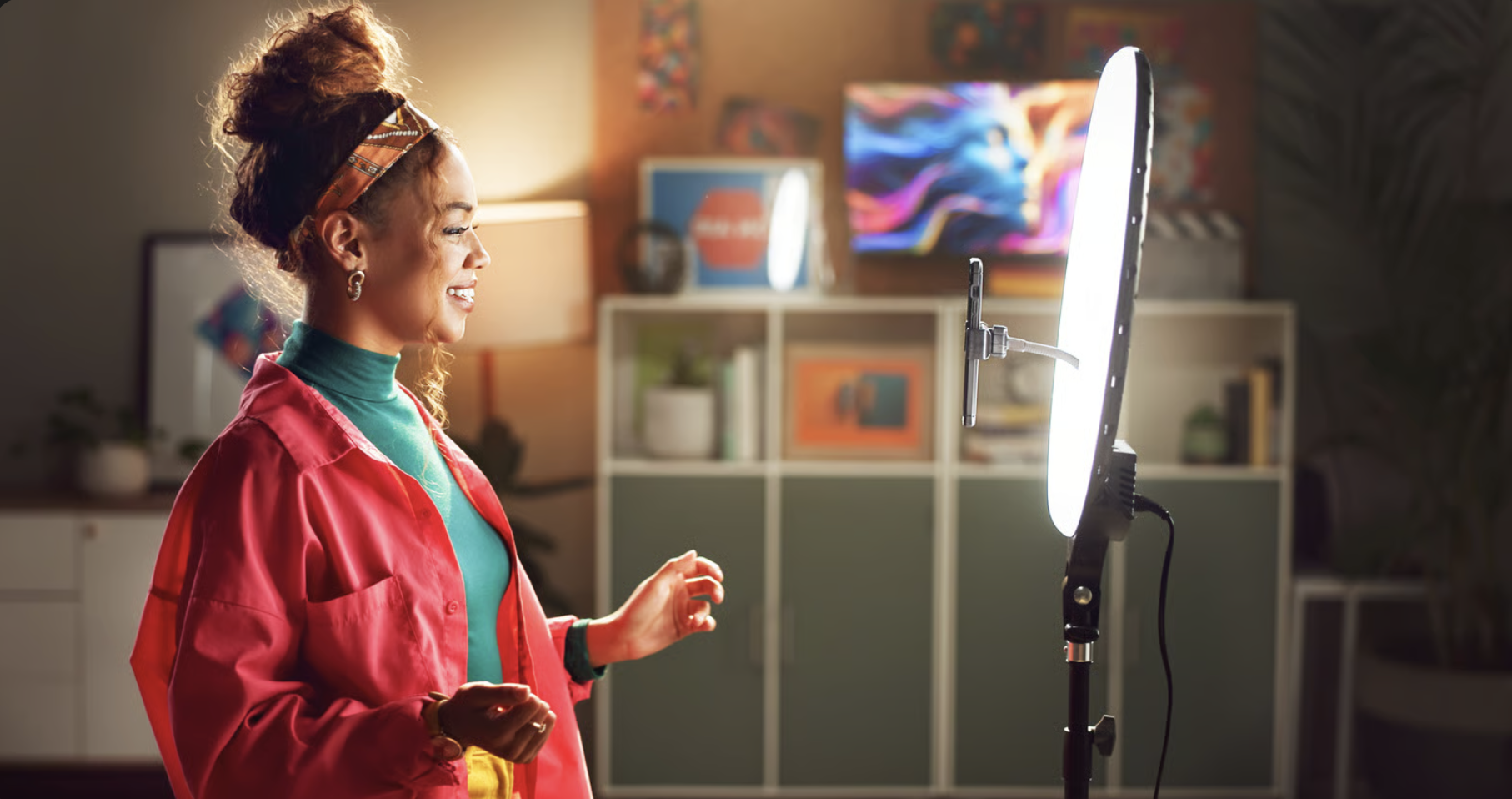
For years, creators have operated in the grey area between online culture, advertising and entertainment.
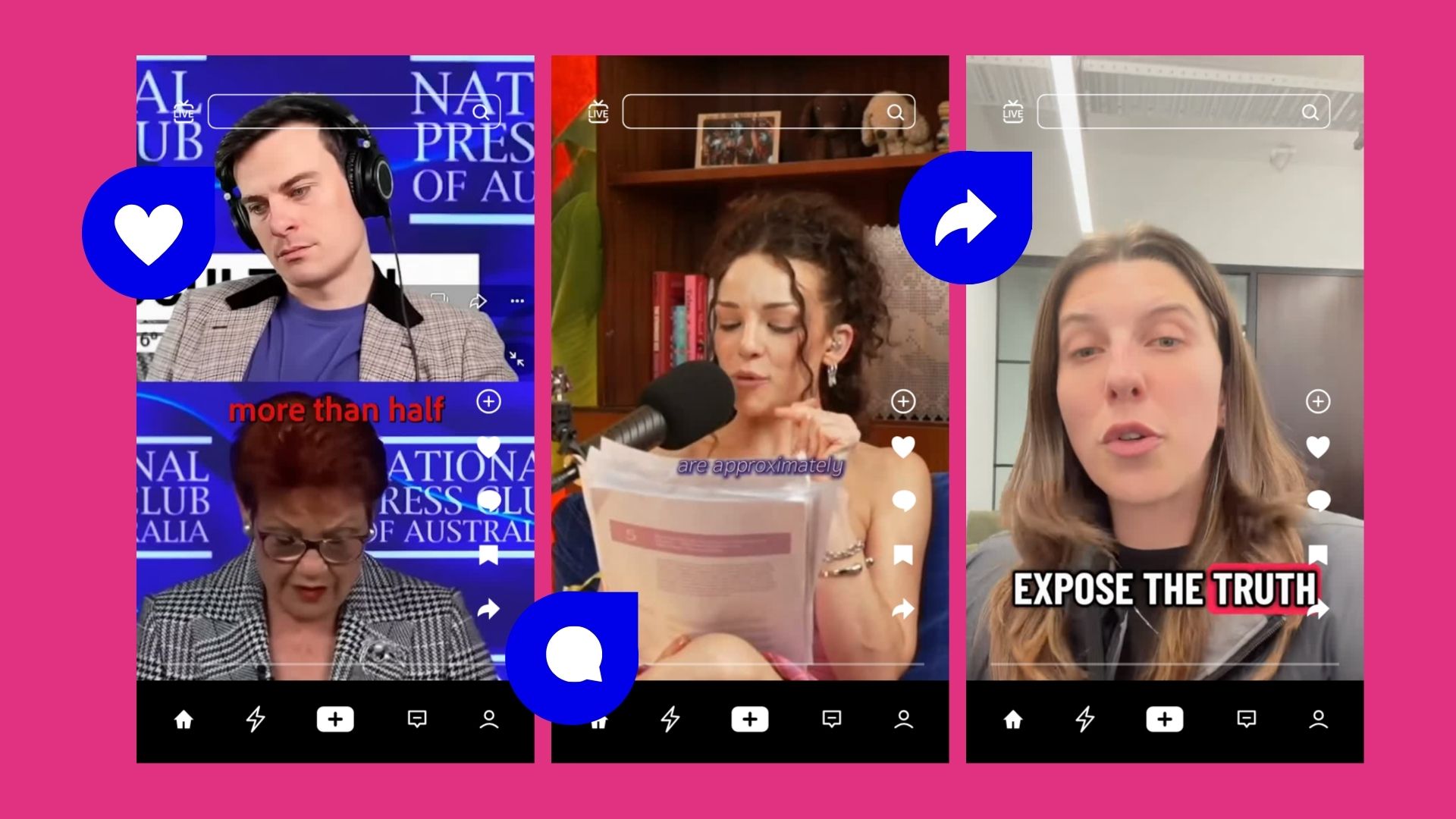
This could be as simple as casually mentioning a brand, folding a commercial message into a skit, using brainrot humour to feed on youth culture, hosting a sponsored podcast segment, sharing a betting link, discussing odds, or posting fake bets and wins.
All of it can be used to create a sense of manufactured hope — or worse, to influence a younger demographic.
The current platform gambling policies are;
- Meta says online gambling and gaming ads are only allowed with prior written permission and that advertisers must comply with applicable laws.
- TikTok’s gambling and games ad policy also places gambling-related advertising behind certification, geographic and age restrictions, while restricting monetised content that directly encourages gambling activity.
- YouTube requires creators to disclose paid promotions and also prohibits content that facilitates access to uncertified online gambling or promises guaranteed returns.
- Twitch goes even further in some areas, banning users from sharing links or affiliate codes to sites that offer slots, roulette or dice games.
The creator-specific measure is especially significant because influencer marketing has become one of the ways gambling brands reach and engage new audiences.
Unlike traditional media buys, creator partnerships can feel more native, more personal and more trusted — which is exactly what makes them effective.
If approved by the Senate, the government’s proposed package would restrict gambling advertising across several channels, including limits on broadcast ads, rules for radio spots, under-18 protections online and reduced exposure across digital platforms such as podcasts, search engines and streaming environments.
The bigger point is simple: if someone is paid to influence consumer behaviour, it is advertising, and audiences must not be misled.
Crucially for creators, regulators look at relationships, not intent.
- It does not matter if you genuinely love a product.
- It does not matter if you were not paid cash.
- It does not matter if the brand did not tell you to post.
If you received a material benefit and promoted the brand, disclosure is required.
The recent Polymarket crackdown shows why disclosure is more crucial than ever.
A Wall Street Journal investigation revealed that Polymarket, a prediction market platform, reportedly paid creators to post videos showing fake winning bets on dummy versions of its website.
To back this up, the Journal reviewed more than 1,100 videos and reported that the staged content appeared across paid creators who posted videos showing fake winning bets on dummy versions of its website.
To back this up, the Journal reviewed more than 1,100 videos on TikTok, Instagram and YouTube, generating more than 140 million views.
The problem was not simply that creators were used to drive attention.
It was that the content allegedly made risky trading behaviour look easy, exciting and profitable.
Some videos reportedly showed creators celebrating large wins, even though the bets were not real and, in some cases, would have lost money on the actual platform.
ACMA’s gambling warning
The regulator has said influencers who profit from promoting illegal games or wagering services to Australians are “breaking the law.”
That includes live streaming yourself gambling on an illegal service, showing followers how to play or place a bet, including links that direct people to illegal gambling services, or running promotional giveaways tied to those services.
For individual influencers, breaches can attract civil penalties of up to $59,400, while facilitating access to illegal online gambling services, including through hyperlinks, can attract penalties of up to $2.475 million.
.jpg)
.png)
.png)
.jpg)

.jpg)
.jpg)
.jpg)
.jpg)
.jpg)

.jpg)


.png)
.png)

.png)
.png)
.png)
.png)
.png)
.png)
.png)
.png)
.png)
.png)
.png)
.png)
.png)
.png)
.png)
.png)
.png)

.png)
.png)
.png)
.png)
.png)
.png)
.png)

.png)