 United States
 Australia
 United Kingdom
 Singapore
 Malaysia
 Thailand
 Indonesia


Instagram vs TikTok vs YouTube: which platforms should your brand prioritise?
A practical guide to choosing between Instagram, TikTok and YouTube for creator marketing based on campaign objectives, audience fit, creator performance, format, measurement and content lifespan.
Instagram, TikTok or YouTube: which platform(s) should your brand be prioritising?
Instagram offers a versatile partnership ecosystem, TikTok is built for discovery and YouTube gives ideas more room to work. The right platform depends on what your creator campaign needs to achieve.
Choosing a platform for a creator campaign can look like a simple numbers question. Which one has the largest audience, or where are creators attracting the most views?
Those questions provide useful context, but they do not make the decision. Instagram, TikTok and YouTube each support creator marketing differently, and the best choice depends on the audience, the idea and the role the content needs to play.
The more useful question is not which platform is best. It is which platform is best for this campaign.
Australian brands are already highly concentrated on Instagram and TikTok. In the State of Creator Australia 2026 survey, Instagram was used for creator collaborations by 100% of organisations answering the platform question, TikTok by 98% and YouTube by 45%. That does not mean Instagram or TikTok is automatically the better choice. It shows why platform selection needs to start with the job the campaign is trying to do rather than where brands are already spending.
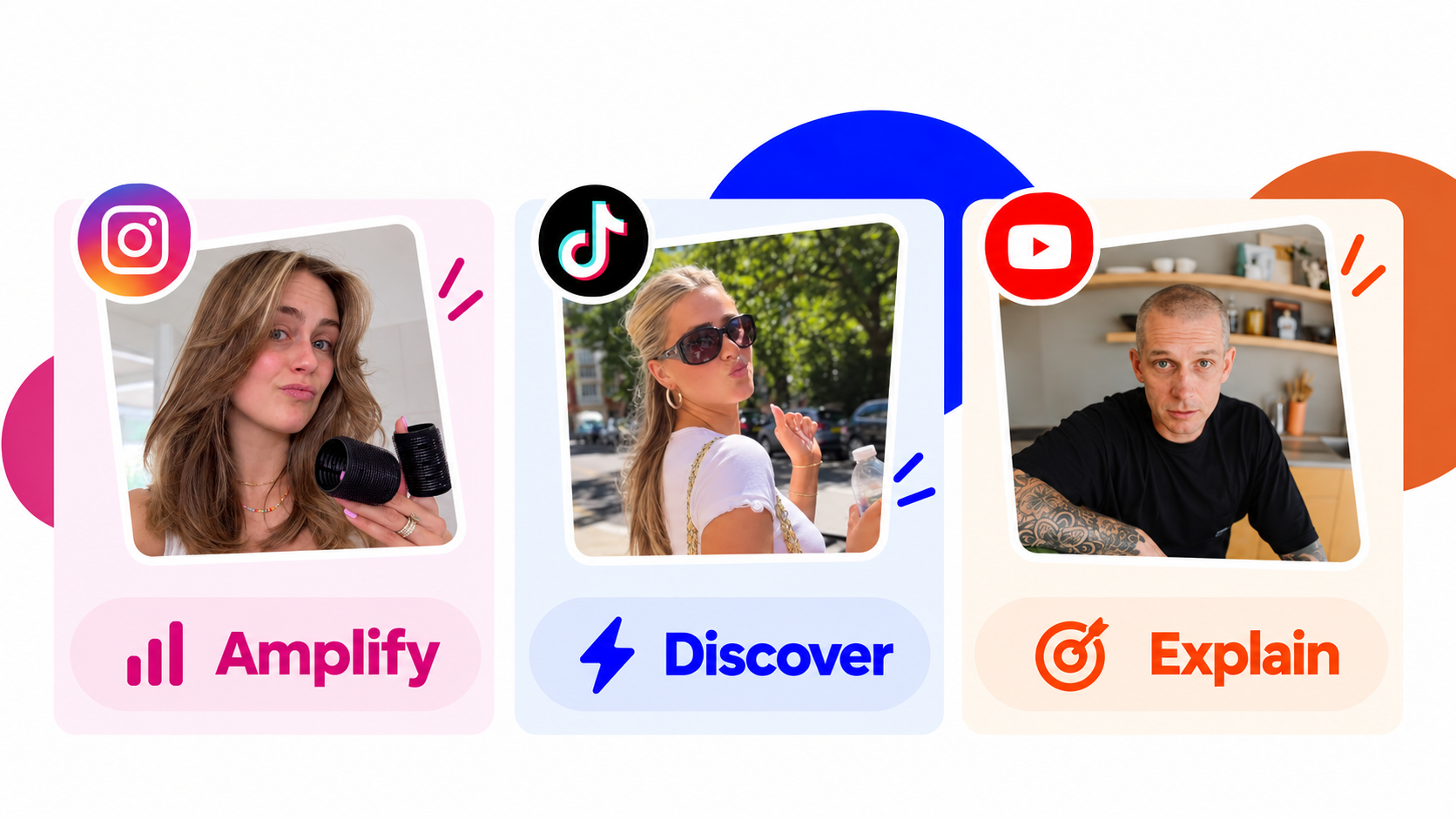
Instagram is strongest when brands need flexible formats and paid amplification
Instagram sits comfortably between quick discovery and an established follower relationship. Reels can introduce a brand to new audiences, Stories can add links and timely calls to action, while feed posts and carousels give products and messages a more permanent home.
Steph Claire Smith is an example of why brands should look at the format as well as the follower count. Fabulate Discovery data, captured on 22nd September records an average of 260,300 plays for her Reels. Offering a starting point for assessing a Reel-led campaign. Stories could play a different role, such as giving interested followers a link or timely next step.
Instagram also has one of the most established commercial ecosystems for creator campaigns. Reels and Stories can play different roles across reach, engagement and action, while eligible creator content can be amplified through partnership ads rather than ending with the organic post.
That extension into paid media is already common in Australian creator marketing. The State of Creator Australia 2026 found 54 per cent of surveyed organisations reuse creator content through paid social, making amplification an important part of platform selection rather than an afterthought.
Instagram's mature advertising and reporting ecosystem is another reason it is often easy for brands to operationalise. But native platform data should not be mistaken for a complete measurement system. Across Australian creator programs, 92 per cent of surveyed organisations use platform analytics to track performance and 58 per cent use creator-supplied reporting, reinforcing the need for brands to build a comparable view across platforms rather than assess each channel in isolation.
That does not mean Instagram automatically delivers the strongest result. Higher fees are not proof of greater campaign value, and performance can vary between Reels, Stories and feed content. Brands still need to understand which format drives a creator’s recent performance.
Instagram is particularly useful when a campaign needs a mix of awareness, consideration and action, or when the content may later be supported with paid media.
TikTok is strongest when discovery is the job
TikTok is built around finding content from accounts a person may not already follow. That gives creators and brands an opportunity to reach beyond an established audience when the idea connects with a community, behaviour or cultural moment.
The platform is also becoming more important as a search destination. TikTok says billions of searches take place there each day, with search activity growing by more than 40 per cent year on year. Discovery can begin with a creator video and continue through the search bar. Discovery is also moving closer to commerce. TikTok Shop connects creator-led product discovery with purchasing in markets where the service is available, reducing the distance between seeing a product in creator content and acting on it.
For Australian brands, that opportunity is particularly relevant when selling into supported international TikTok Shop markets. More broadly, it shows where the platform is heading: creator content is increasingly able to influence discovery, consideration and commerce within the same environment.
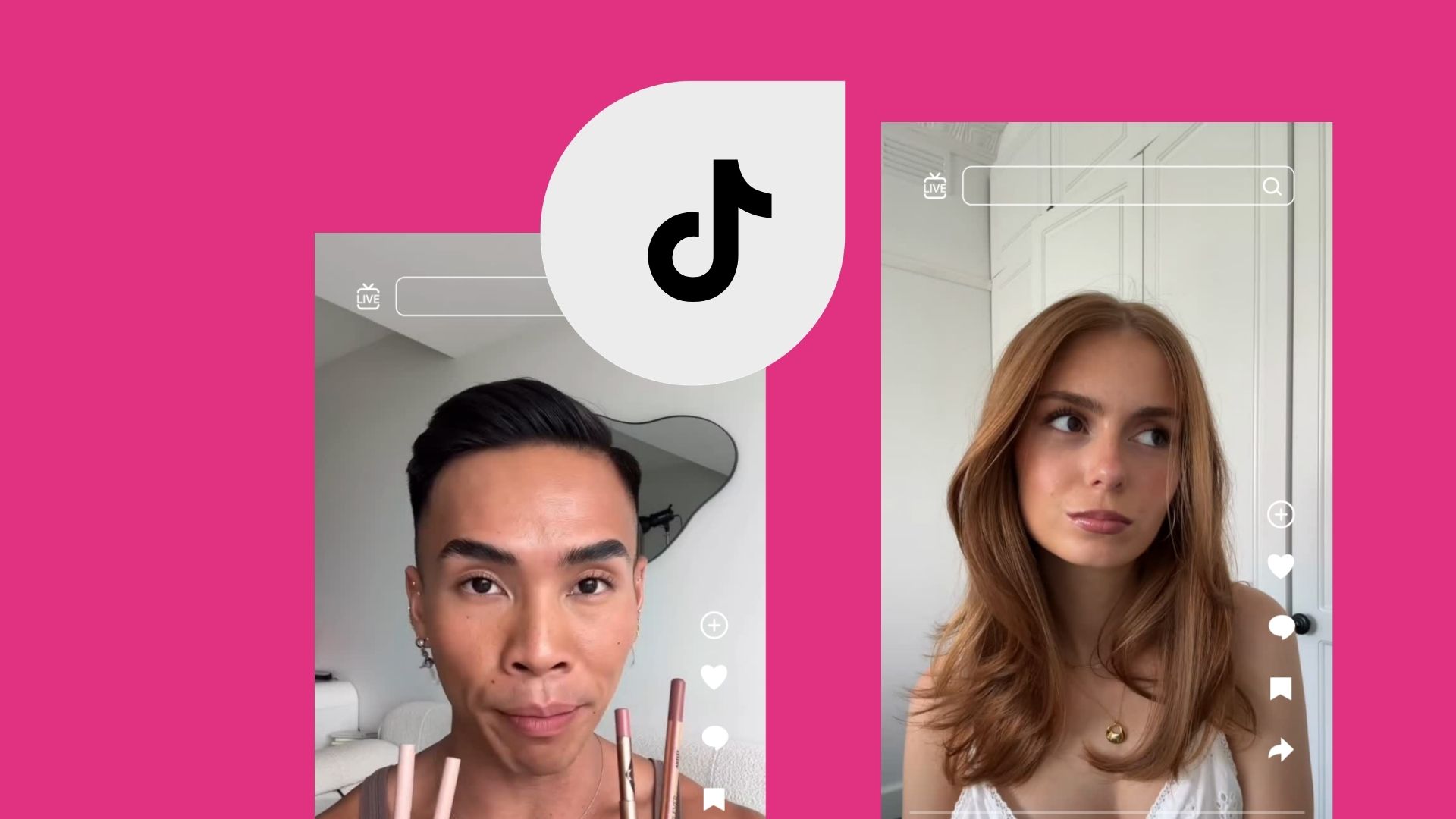
Sopha Dopha’s fashion and beauty content offers a useful example of the reach and audience fit brands need to weigh together. According to Fabulate Discovery data captured on 22nd September, her TikTok videos average 247,100 views, while 44 per cent of her audience is in Australia. Looking at both figures matters: raw reach says something different from whether that reach is concentrated in the market a brand actually needs to influence.The figures help define the opportunity; the idea still has to work in the style her audience comes to watch.
The trade-off is that TikTok creative needs to belong on TikTok. A polished ad placed in a vertical frame is unlikely to feel native simply because it uses the right dimensions. The creator needs enough freedom to use the pace, language and format their audience expects.
Individual posts can also be unpredictable, which makes creative volume part of the strategy. TikTok's own advertiser guidance encourages brands to test multiple creative variations rather than rely on a single execution.
For creator campaigns, that means having enough high-quality creators, concepts and creative variations to learn what resonates, then allowing the strongest hooks, formats and audiences to emerge. TikTok may therefore suit brands prepared to test and optimise rather than placing the whole campaign on one carefully controlled video.
YouTube combines short-form discovery with deeper consideration
Some products need more than a passing mention. A detailed review, tutorial, comparison or explanation gives a creator time to show how something works and answer the questions that might stand between interest and purchase.
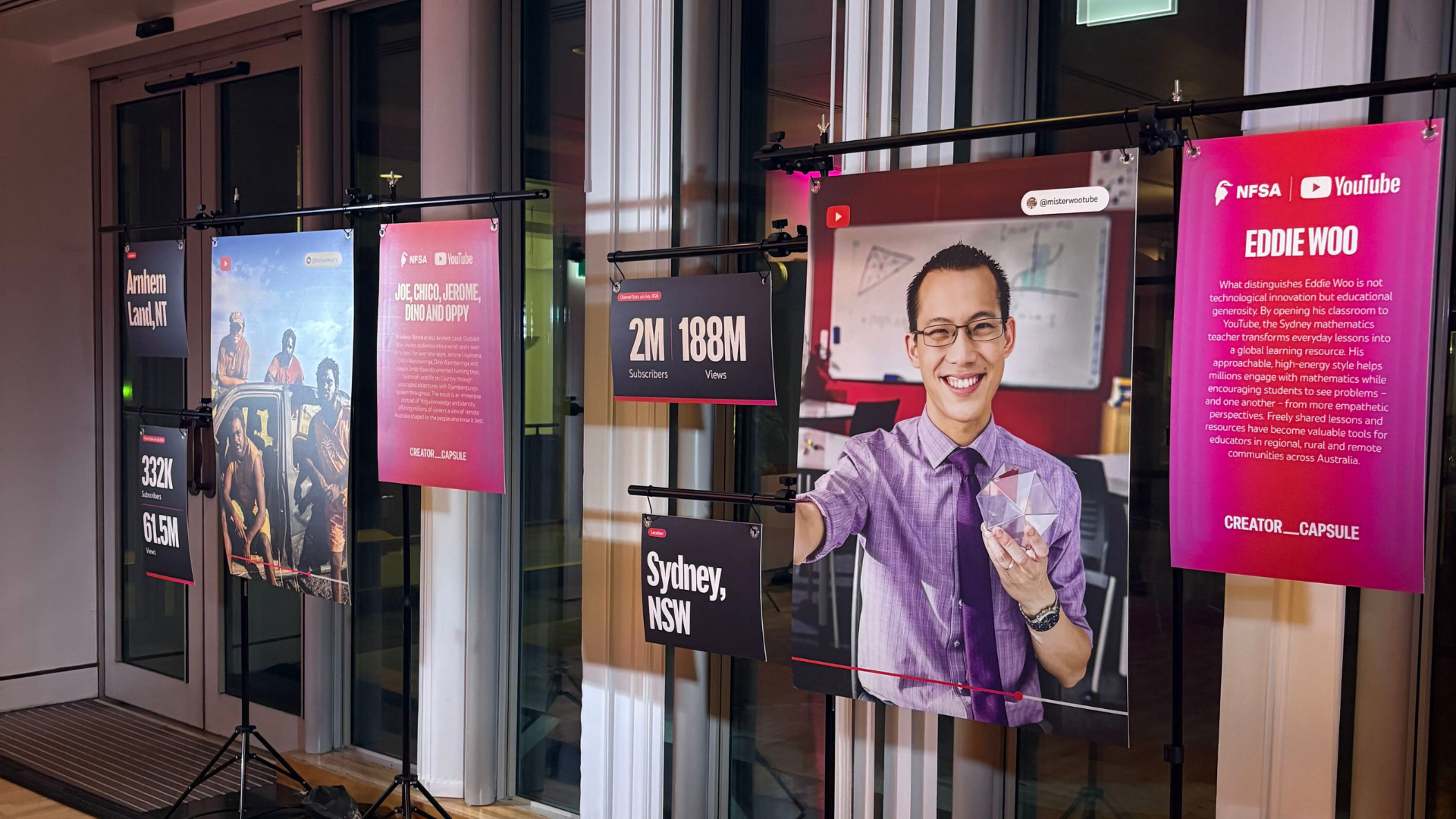
Andy Cooks shows why the format matters as much as the headline view count. Fabulate captured on 22nd September, records an average of 169,700 views for his full-length videos and 525,100 for his Shorts. A Short may attract more views, but a longer recipe video gives him time to demonstrate how an ingredient or kitchen product works.
There may also be a gap between where creators are building and where brand budgets are going. In The State of Creator Australia 2026, 45 per cent of organisations answering the platform question said they use YouTube for creator collaborations. Among the smaller creator and talent representative sample, 81 per cent said they use YouTube.
The creator sample was only 16 respondents, so the result is directional rather than representative. But the gap raises a useful question for marketers: are creators diversifying into long-form environments faster than brand investment is following them?
YouTube's advantage is not simply that videos can be longer. It combines an established long-form creator ecosystem with Shorts, allowing brands to use short-form video for discovery and longer content for reviews, demonstrations, tutorials and deeper consideration within the same platform.
Its connection to search and recommendations also gives useful creator content a longer opportunity to be discovered after publication. Research cited by YouTube found that 40 per cent of a video's views occur more than a month after it goes live. That is a platform-wide figure rather than a guarantee for every campaign, but it illustrates the potential long-tail value of content that continues answering a customer question after the initial launch period.
Longer production timelines can make YouTube partnerships more expensive, but the comparison should not be based on cost per post alone. A video that keeps answering a customer question for months is doing a different job from a short-form asset designed primarily to win attention in the feed.
Instagram vs TikTok vs YouTube: how should brands choose?
A useful starting point is to match the platform to the job the creator content needs to do.
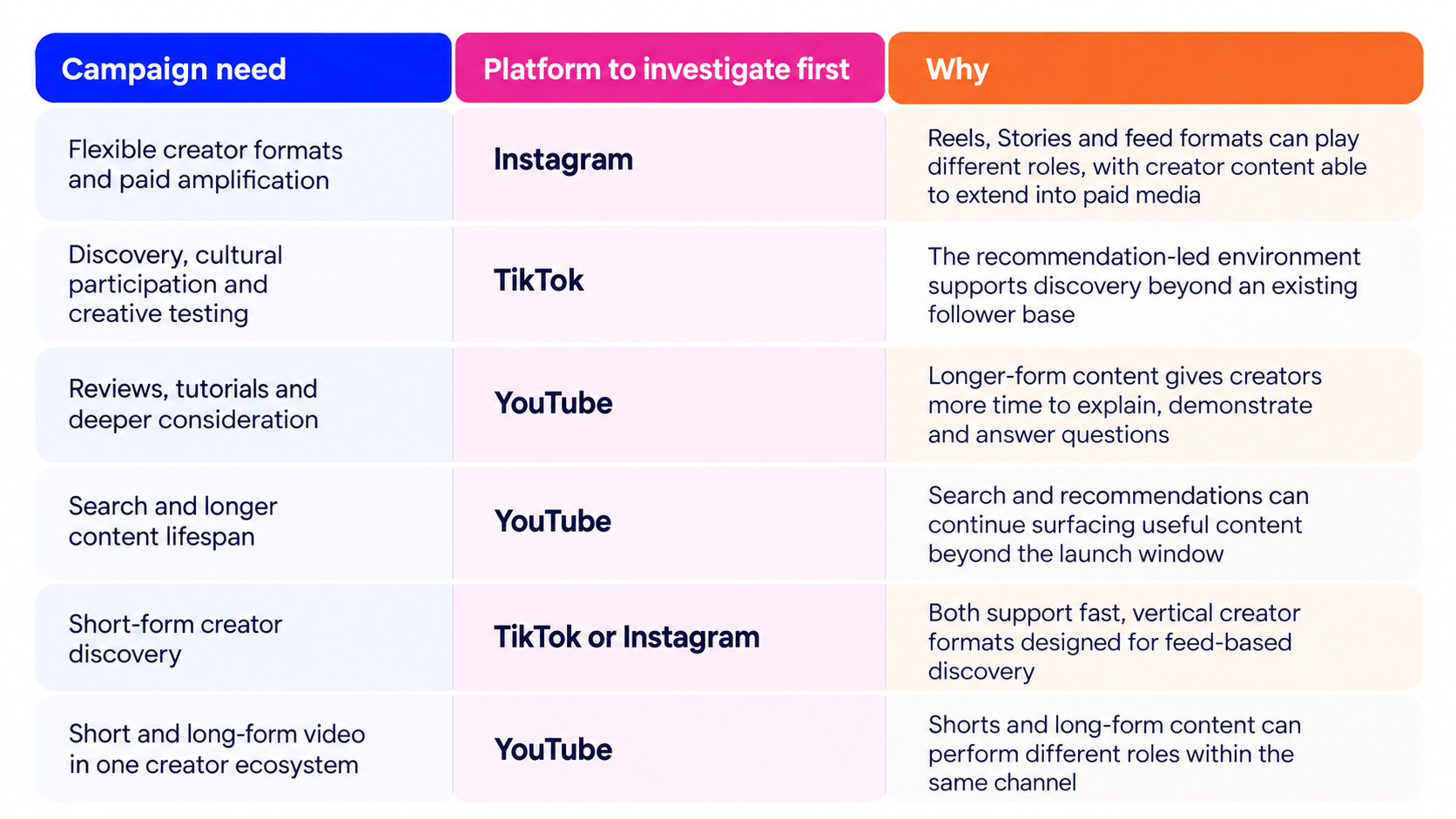
This is a starting point rather than a rule. Audience fit, creator performance, category behaviour, production requirements, usage rights and the campaign objective still need to be assessed before budget is allocated.
If the priority is flexible content across several formats, Instagram may be the natural starting point. If the brand wants to enter a conversation, test creative ideas or reach new communities quickly, TikTok may be stronger. If customers need explanation, evidence or time before acting, YouTube may be worth the greater production investment.
The answer may involve more than one platform, but that should not mean posting the same asset everywhere. One idea could become a TikTok built around discovery, an Instagram Reel supported through paid media and a YouTube video that answers questions in greater depth.
Brands should compare audience relevance, recent creator performance, production requirements, content lifespan and usage rights before deciding where the budget goes. Follower counts and headline platform statistics can help narrow the field, but they cannot replace that assessment.
Instagram, TikTok and YouTube are not interchangeable distribution channels. Each shapes how creator content is discovered, watched and acted upon. Choosing well begins with knowing what the campaign needs people to do next.
.png)
.png)
.jpg)



.jpg)
.jpg)
.jpg)
.jpg)

.jpg)

.jpg)







.png)
.png)











.png)
.png)
.png)
.png)
.png)
.png)
.png)
.png)
.png)
.png)
.png)
.png)
.png)
.png)
.png)
.png)
.png)
.png)
.png)
.png)
.png)
.png)
.png)
.png)