United States
 Australia
 United Kingdom
 Singapore
 Malaysia
 Thailand
 Indonesia



How can creators pitch brands and build a package that gets noticed?
A practical guide for creators on how to pitch brands, build a strong partnership package, prove audience and brand fit, avoid common mistakes, and use data to stand out.
Brand inboxes are full of generic creator pitches.
Most say the same thing: “I love your brand, let’s collaborate.” The problem is that this gives brands very little reason to say yes.
The best creator pitches do not simply ask for a collaboration. They show the brand that you understand the problem it is trying to solve.
What makes a creator pitch stand out from generic collaboration requests?

If you can demonstrate that you understand the campaign objective, the target audience, or the types of content that already perform for the brand, you are ahead of most creators.
Data helps, too. If you have created similar content that delivered strong watch time, engagement, clicks or conversions, include those results.
Even better, show the idea visually. A storyboard, reference video, mood board or example from your own content can help the brand picture the campaign immediately.
Creators are the creative experts. Brands do not always know what is possible on social media, so the easier you make it for them to understand, the more likely they are to say yes.
What should every creator include in their brand partnership package?
A strong partnership package should make it easy for a brand to decide whether you are the right fit.
Every creator should include:
- A media kit
- Rates or a rate card
- Audience demographics, including age, gender and location
- Platform performance metrics, such as average views, engagement rate and watch time
- Previous campaign examples or case studies
- Examples of content similar to what you are proposing
- Testimonials or positive feedback from previous brand partners
Think of your partnership package as a sales presentation. The less work the brand has to do to understand your value, the stronger your pitch becomes.
How can creators show brand fit beyond saying they “love” the brand?

Anyone can say they love a brand. Strong creators prove that love.
The best evidence is your existing content. If you have genuinely used the product before, include those posts or videos. If your audience regularly asks about products in that category or engages with your recommendations, show screenshots of comments, questions or conversations.
Brands are looking for authentic advocates, not actors reading a script.
If you have organically mentioned similar products, shown expertise in the category or consistently created content that aligns with the brand’s positioning, that is valuable proof of fit. It shows the partnership would feel natural, not forced.
How important is audience fit compared with follower count?
Audience fit is far more important than follower count.
A creator with 20,000 highly relevant followers can often outperform someone with 500,000 followers whose audience has little interest in the product.
Brands are not buying followers. They are investing in influence over a specific group of people.
That is why marketers look closely at audience demographics, interests, engagement quality and how naturally a product fits into your content. A smaller creator with a loyal, relevant audience can often deliver stronger results than a larger creator with broad but passive reach.
Relevance almost always beats reach.
Should creators offer fixed packages or tailor every pitch to the brand?

Every creator should have a standard rate card. It gives you consistency and helps brands understand your pricing.
But not every opportunity should be treated the same.
If a partnership strongly aligns with your audience, helps you enter a new category, offers long-term potential or gives you valuable portfolio work, you may choose to be more flexible.
On the other hand, if a campaign requires extensive revisions, exclusivity, usage rights, paid media licensing or a fast turnaround, your pricing should reflect that additional value.
Think of your rate card as your starting point, not a fixed rule. The best creators understand the commercial value of each opportunity and price accordingly.
What are the biggest mistakes creators make when pitching brands?

The biggest mistake is sending the same generic message to every brand.
Brands can tell when a pitch has been copied and pasted.
Other common mistakes include:
- Focusing too much on yourself and not enough on the brand’s objectives
- Providing no performance data or audience insights
- Asking the brand what it wants instead of bringing ideas to the table
- Quoting a price without explaining the value behind it
- Sending an incomplete media kit
- Making the brand search through your profile for examples
- Following up too aggressively or giving up after one email
The creators who consistently win partnerships make the process easy. They clearly explain why they are the right fit, back it up with evidence and bring ideas that reduce work for the marketing team.
What should creators include if they do not have previous paid brand experience?
You do not need paid partnerships to prove your ability. Create the type of content you want to be hired for.
If you want to work with skincare brands, create high-quality skincare content. If you want to work with travel brands, create travel content. Treat these examples as spec work that demonstrates your creativity, style and understanding of the category.
Then support that content with performance data. Include average views, watch time, engagement, shares, saves or audience comments that show your community responds well to that type of content.
Brands are ultimately buying confidence. If you can prove your audience enjoys your content and that you know how to integrate products naturally, you will be in a much stronger position than someone waiting for their first paid opportunity to build that proof.
How does Fabulate help creators structure better pitches for brands?
One of the biggest challenges for creators is knowing what information brands actually want to see.
Most creators are experts at making content, not building sales proposals. They may know how to engage an audience, but translating that value into a clear commercial pitch can be much harder.
Fabulate helps creators bridge that gap.
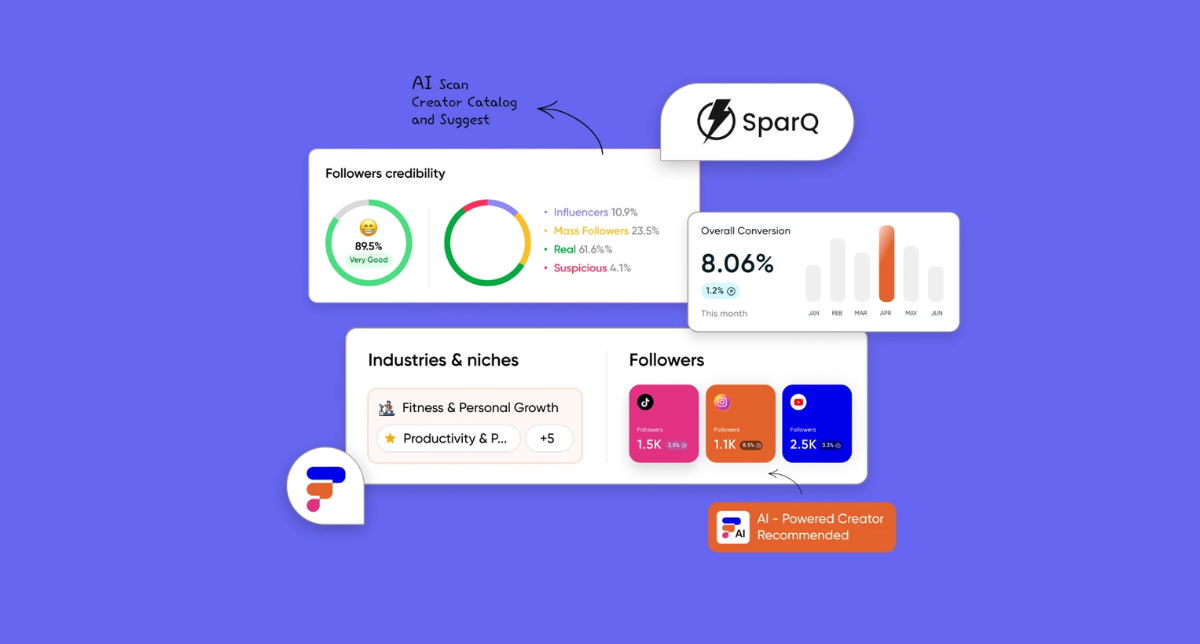
Rather than starting with an empty page, creators are guided through the key information brands use to assess partnerships. That includes rates, deliverables, audience insights, relevant content examples and previous campaign results.
The goal is consistency without removing creativity.
Each pitch is structured to make it easier for brands to review, compare, and act on, while still giving creators room to show their personality, tone, and creative approach.
A major advantage is that both brands and creators are working from the same dataset. The audience demographics, performance metrics, and content insights presented by the creator align with what the brand can see on the platform.
That creates transparency, reduces unnecessary back-and-forth and helps both sides make faster, more informed decisions.
Ultimately, a strong pitch is not about having the fanciest media kit. It is about presenting the right information in the right format, so a brand can quickly understand why that creator is the right fit for the campaign.
.png)
.png)
.jpg)



.jpg)
.jpg)
.jpg)
.jpg)

.jpg)

.jpg)








.png)
.png)

.png)
.png)
.png)
.png)
.png)
.png)
.png)
.png)
.png)
.png)
.png)

.png)
.png)
.png)
.png)
.png)
.png)

.png)
.png)
.png)
.png)
.png)

.png)
.png)





.png)