United States
 Australia
 United Kingdom
 Singapore
 Malaysia
 Thailand
 Indonesia



How can brands use creator marketplaces effectively?
A practical guide to creator marketplaces, helping brands understand how to find, compare and vet the right creators using data, AI, audience insights and a whole-market view.
The creator economy has reached an inflection point. Content supply is no longer the issue; choosing the right creator is.
Brands now have access to more creators than ever, across more platforms, categories and formats. But more choices have not made creator selection easier. In many cases, it has made it harder.
You can easily find a creator. But, working out which creator is most likely to influence the audience a brand is trying to reach is complex.
Does size still matter: more followers, more reach, more impact? Not anymore. A smaller creator with a loyal community can outperform a larger name with a passive audience.
What is a creator marketplace?
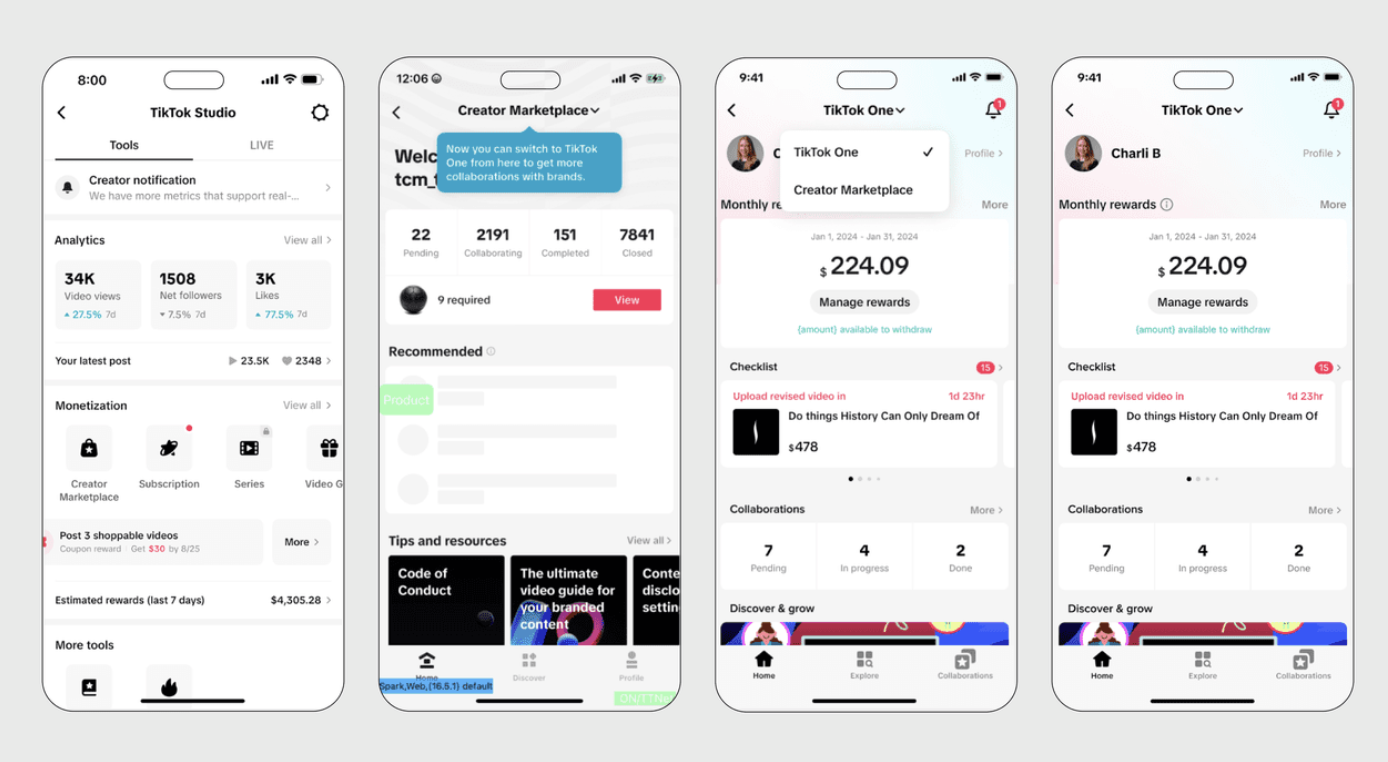
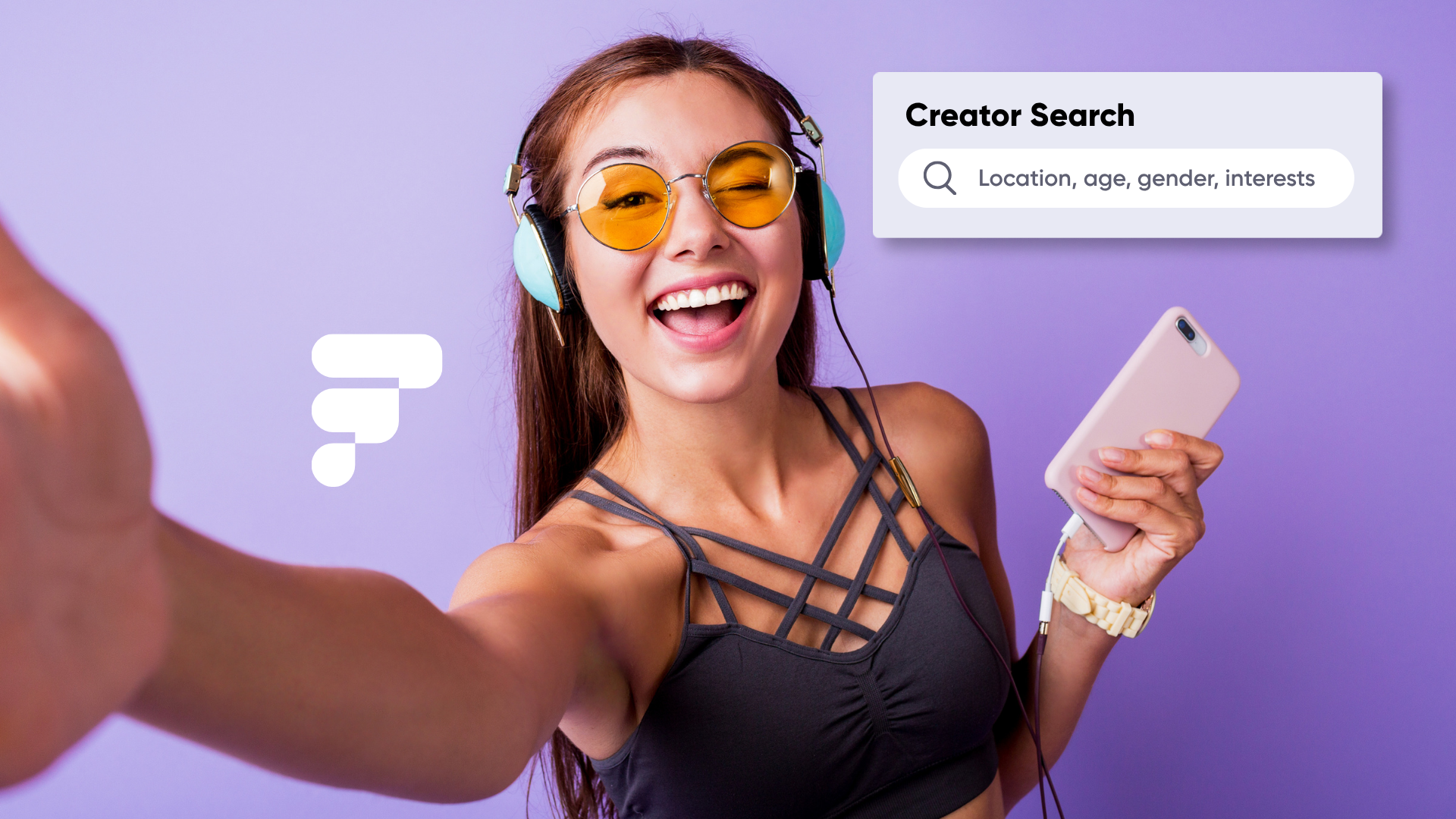
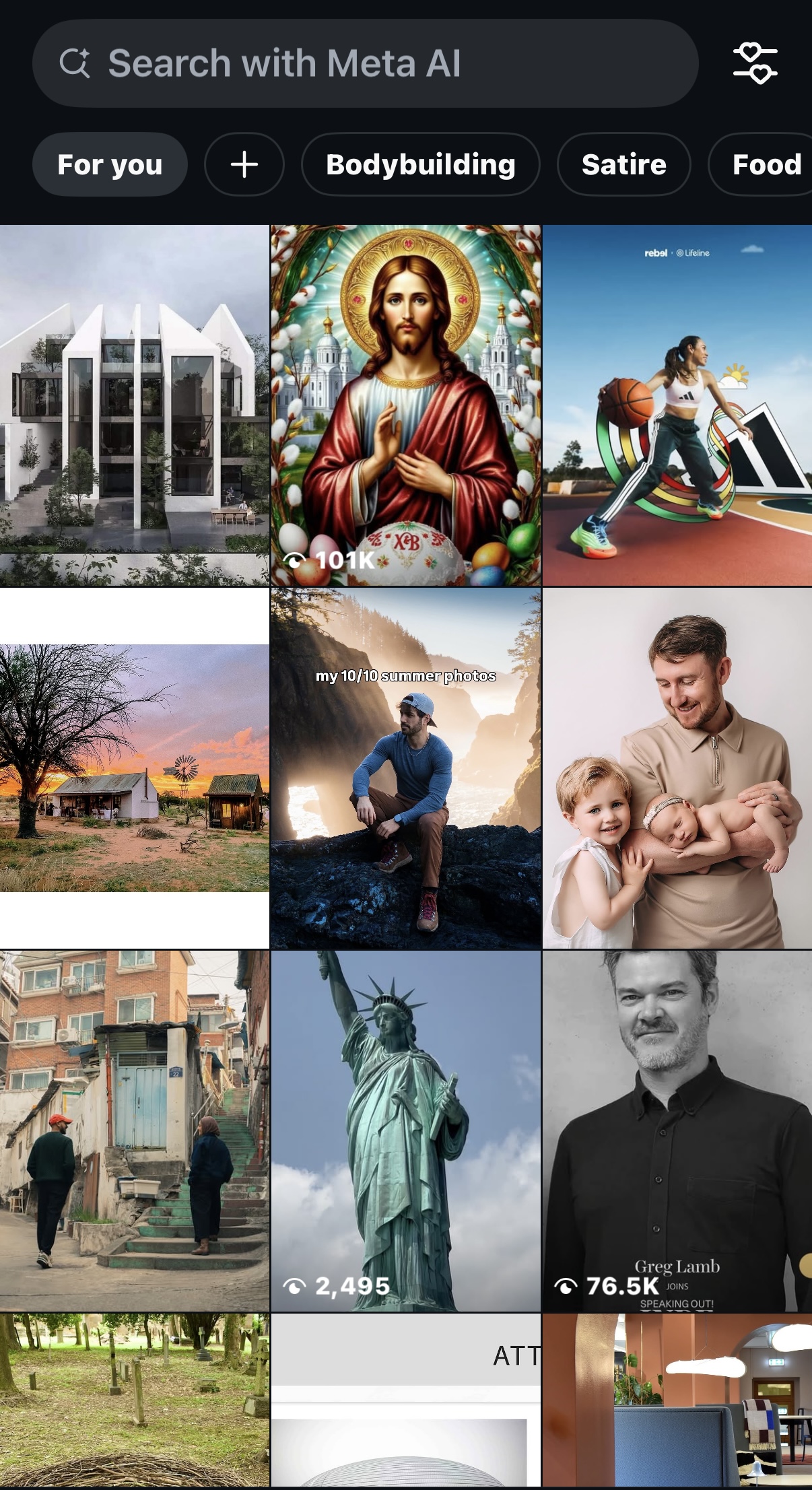
Like any marketplace, a creator marketplace gives brands a centralised path to discover, compare and connect with creators. Instead of manually searching across platforms, brands can use marketplace tools to filter creators by category, audience, platform, location, follower count, engagement rate, content style, and campaign fit (at least for paid ones).
At their best, creator marketplaces make discovery faster and more structured. They help brands move from endless scrolling to a more organised shortlist of potential partners.
But this is where it gets complicated. A brand might find a creator through a marketplace, but still miss the right fit if the marketplace is treated as the whole strategy.
Different types of creator marketplaces:
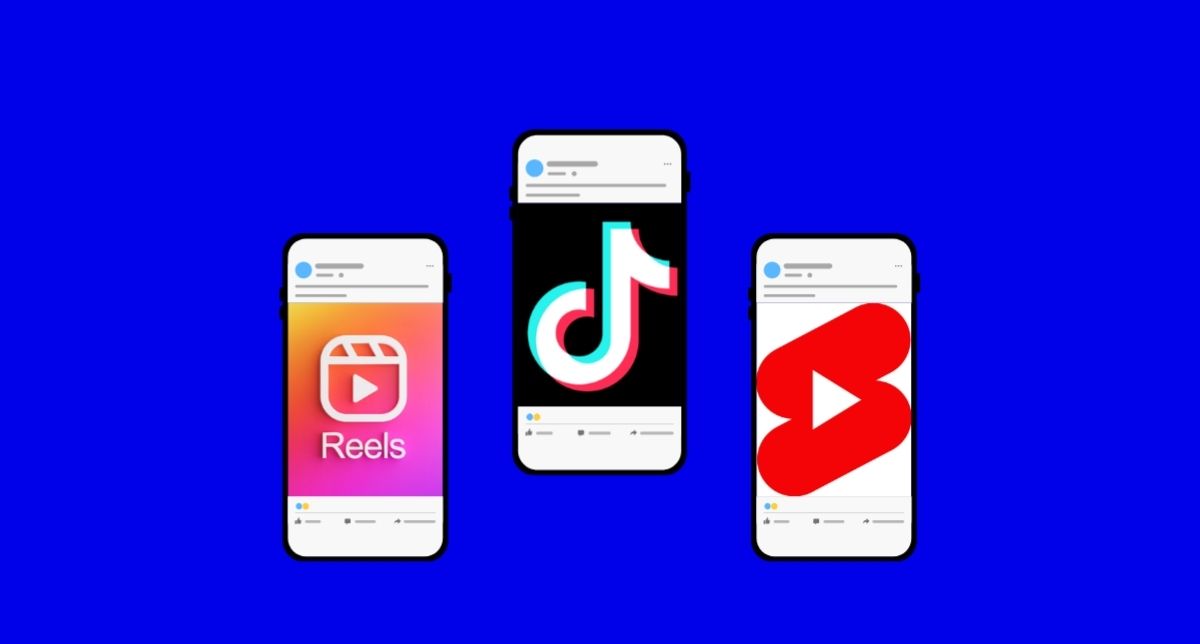
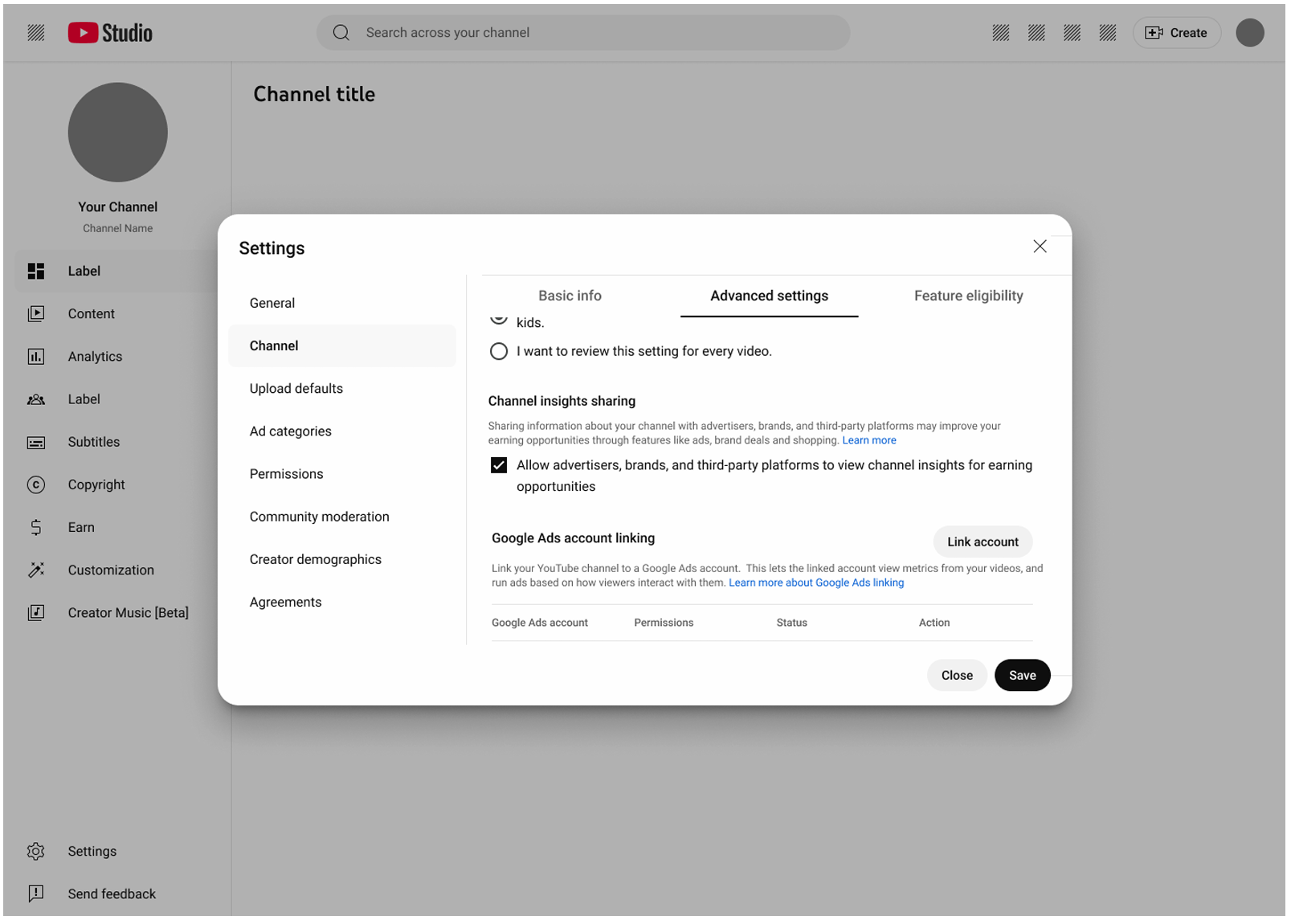
Platform-specific marketplaces include TikTok One, Instagram Creator Marketplace, LinkedIn Creator Marketplace and YouTube BrandConnect. These provide useful platform-level insights but only show a creator’s performance within a single ecosystem.
Nano and micro creator marketplaces specialise in smaller creators and can help brands activate large volumes of talent quickly. However, they typically represent only a subset of the broader creator market.
Large-scale creator databases without creator authentication aggregate publicly available creator information across multiple platforms. They offer broad discovery, but often have limited audience or performance data.
Large-scale creator databases with creator authentication, such as Fabulate’s own, go much further. Alongside access to more than 400 million creators, creators can authenticate their accounts to provide richer audience, demographic and performance insights. This gives brands a clearer basis for decision-making.
Are creator marketplaces solving the full creator marketing challenge or discovery?
The creator economy has never been this large — millions of creators are producing content across various social media platforms and niche communities. Creator marketplaces might be tackling the discovery challenge, but not the entire creator marketing workflow.
Ten years ago, a marketer could reasonably keep track of the creators that mattered within their category, and make today’s virtually impossible to keep track of. To put it into perspective, Fabulate's own discovery platform alone contains data on more than 400 million creators across TikTok, Instagram, YouTube and Facebook. Discovery has evolved from a simple search to complex data. This is where tech, data, and AI come into assistance.
But even in the marketplace, finding the right creators among millions of options is difficult without understanding the metrics. The most valuable platforms don't simply help brands find creators. They help brands evaluate audience quality, engagement patterns, brand fit, content style and campaign suitability.
Discovery is crucial, but it's only a stage of the process. Brands still need to assess brand safety, audience alignment, content quality, campaign management, measurement and attribution — a marketplace won’t.
Why brands need a whole-market view of creators?
As the creator economy becomes more fragmented, brands need to look beyond individual marketplaces before deciding who to work with.
The smartest approach:
- Audience
- Creator
- Platform
Consumers do not think in platforms. They move between TikTok, Instagram, YouTube, podcasts, newsletters, LinkedIn and emerging communities throughout the day. If brands want to influence behaviour, their creator discovery process needs to reflect how audiences actually consume content.
That is becoming harder.
Creator data is spread across multiple platforms, marketplaces and databases. Each one presents different metrics, different levels of visibility and sometimes different versions of the same creator.
For brands, this creates a messy workflow. Teams can spend more time gathering information than making strategic decisions.
A creator may look strong in one marketplace, but that does not always show how they perform across other platforms, whether their audience overlaps with another creator, or whether they are the best fit for a specific campaign objective.
A whole-market view gives brands a clearer way to assess creators in context.
It allows marketers to compare creators consistently, identify audience overlaps, evaluate cross-platform influence and select talent based on the objective, not just the creators available inside one marketplace.
That distinction matters.
The goal is not simply to find a creator. It is to find the creator most likely to influence the audience a brand wants to reach.
The value of a broader approach becomes clear when you consider the size of the modern creator economy.
Fabulate provides a global view, helping brands move beyond a limited marketplace view and evaluate creators against the broader market. That wider lens helps brands understand where creators sit, how they compare, and whether they are genuinely right for the campaign.
What brands miss when they only use one creator marketplace?
Brands are missing the full story.
Every creator marketplace represents only one part of the creator economy:
- Platform marketplaces show creators within a specific platform.
- Nano and micro marketplaces focus on smaller creators.
- Smaller databases may only include creators who have actively registered.
- Some tools only show creators who are already visible, indexed, or commercially available within that ecosystem.
That means brands are often making decisions based on only a fraction of the available market.
The best creator for a campaign may not even appear in the marketplace being searched. That matters, especially in niche categories where finding the right creator can feel like finding a needle in a haystack.
The broader the discovery dataset, the better the chance of finding the right creator, not just an available creator.
If a marketplace contains thousands of creators, the options are naturally limited.
If a brand searches a dataset of more than 400 million creators, the chances of identifying someone with the right audience, content style, and category relevance increase significantly.
When brands restrict themselves to one marketplace, they risk:
- Missing creators on other platforms
- Missing emerging creators
- Missing creators in niche communities
- Missing creators with highly aligned audiences
- Overpaying due to a limited selection pool
- Reusing the same creators as competitors
- Building campaigns around availability rather than genuine fit
The strongest creator strategies start with the widest possible view of the market, then narrow down based on:
- Campaign objective
- Audience fit
- Platform relevance
- Creator tier
- Content style
- Brand safety
- Budget
- Performance potential
The strongest creator strategies start with the widest possible view of the market and then narrow down based on campaign requirements.
How to evaluate a creator before you reach out?

Finding a creator is only the first step. Before a brand reaches out, it needs to understand whether that creator is genuinely right for the campaign.
A creator might look strong on the surface, but follower count, engagement rate and category tags only tell part of the story. The real value comes from understanding audience fit, content quality, brand alignment and potential risk before the conversation begins.
Brands that can evaluate creator fit most effectively will consistently outperform those that rely on follower counts and surface-level metrics.
Brands should assess:
STEP 1. Audience fit
The creator’s audience should match the people the brand is trying to reach.
Look at:
- Age
- Gender
- Location
- Language
- Interests
- Audience relevance to the campaign
STEP 2. Engagement quality
High engagement does not always mean strong influence. Brands should look beyond the number and assess the quality of interaction.
Checklist:
- Are comments genuine and specific?
- Are people asking questions?
- Are followers sharing opinions or experiences?
- Do posts drive saves, shares or repeat interaction?
- Does the creator have an active community, not just passive viewers?
STEP 3. Content quality
A creator may have the right audience but the wrong content style.
Review:
- Storytelling ability
- Creative quality
- Production style
- Tone of voice
- Platform fluency
- Ability to integrate brands naturally
The best creators do not just post products. They know how to make branded content feel native to their audience.
STEP 4. Brand alignment
Before reaching out, brands should ask whether the partnership would feel believable.
Consider this:
- Does the creator already talk about relevant topics?
- Have they shown interest in the category?
- Would the product or message fit naturally into their content?
- Does their tone match the brand?
- Would their audience understand why the partnership exists?
STEP 5. Past partnerships
A creator’s sponsorship history can reveal whether they are likely to be a strong fit.
Review list:
- Previous brand collaborations
- Competitor relationships
- Sponsorship frequency
- Quality of past integrations
- Whether their feed feels over-commercialised
A creator who promotes too many unrelated brands may struggle to build trust around a new recommendation.
STEP 6. Audience authenticity

Brands also need to know whether the creator’s audience is real and reachable.
Look for this:
- Suspicious follower spikes
- Bot-like comments
- Repetitive engagement
- Low views compared with follower count
- Unusual audience locations
- Inconsistent performance patterns
STEP 7. Brand safety
As creator campaigns scale, risk management becomes more important.
Brands should review:
- Historical content
- Controversial topics
- Offensive language
- Misinformation risk
- Compliance issues
- Past public backlash
- Category sensitivity
This is not about removing creator personality. It is about understanding whether the partnership is safe, suitable and aligned with the brand’s standards.
STEP 8. Commercial fit
Finally, brands should consider whether the creator makes sense for the campaign budget and objective.
Ask yourself this:
- Are they suited to awareness, consideration or conversion?
- Is their pricing aligned with expected value?
- Can their content be reused across paid, owned or retail channels?
- Are they better suited to a one-off post or a longer-term partnership?
How is AI changing creator discovery and vetting?

One of AI’s biggest strengths is its ability to analyse huge volumes of information in seconds. Instead of relying only on fixed filters, marketers can now search using natural language. Rather than selecting dozens of criteria, a brand can ask for something far more specific, such as:
"Creators who regularly post about sustainable fashion use a humorous tone and have an audience of young professionals."
That makes discovery faster, more intuitive and more strategic.
AI also changes what brands can search for. Traditional creator marketplaces have often relied on profile metadata, hashtags and captions. AI can go deeper by analysing the actual content itself, including video, imagery, spoken dialogue and on-screen text.
That means brands can discover creators based on how they actually communicate: their tone, storytelling style, recurring themes, visual identity, personality and creative approach. It moves discovery beyond what is written in a creator’s bio and closer to how they show up in the real world.
Fabulate AI Discovery allows brands to search for creators with conversational prompts rather than rigid filters.
It helps marketers uncover creators they might not have found through conventional search, while dramatically reducing the time required to build a shortlist.
AI is also transforming creator vetting.
Brand safety has traditionally been one of the most time-consuming parts of influencer marketing. Teams often need to manually review hundreds of posts to identify potential risks, compliance issues or content that may conflict with a brand’s values.
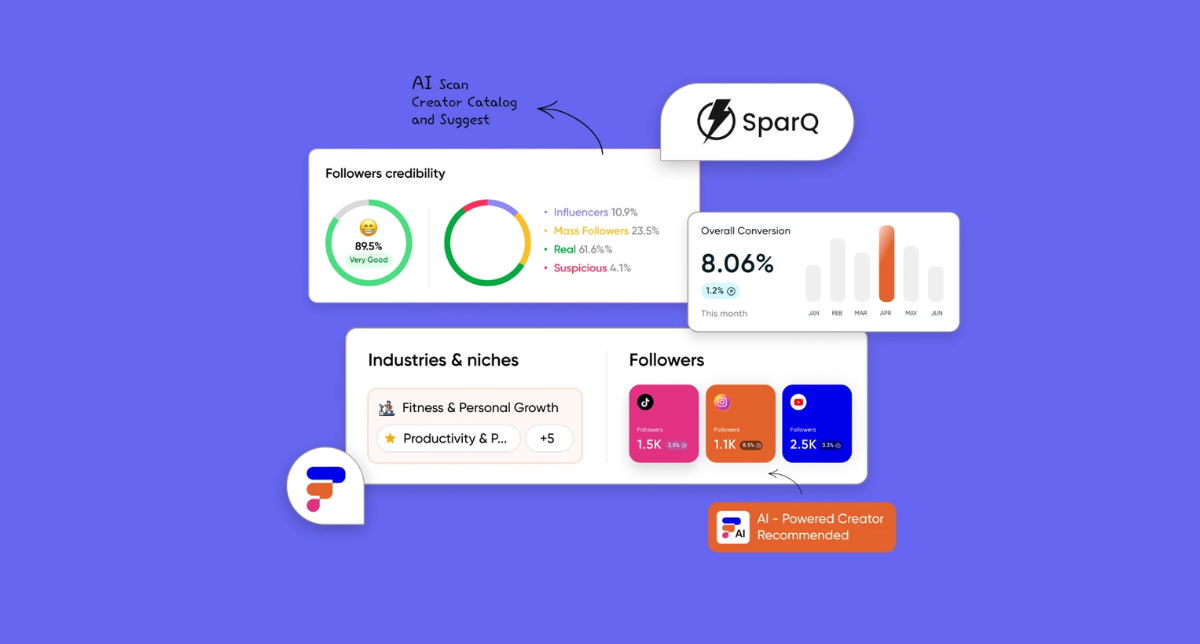
AI can now automate much of that process by analysing years of creator content across video, images, audio and text. That is what Fabulate SparQ Brand Safety was built to do. It helps brands assess creators at scale, flag potential concerns for human review, and reduce the time spent on manual compliance checks.
Importantly, AI does not replace human judgment. It gives marketers a stronger starting point.
The real value is speed, depth and confidence. AI removes much of the repetitive manual work that slows down creator discovery and due diligence. That allows brands to move faster, evaluate creators more deeply and make better-informed decisions before reaching out.
.png)
.png)
.jpg)


.jpg)
.jpg)
.jpg)
.jpg)

.jpg)

.jpg)








.png)
.png)











.png)
.png)
.png)

.png)
.png)
.png)
.png)
.png)
.png)
.png)
.png)
.png)
.png)
.png)
.png)
.png)

.png)
.png)