 United States
 Australia
 United Kingdom
 Singapore
 Malaysia
 Thailand
 Indonesia


Trendjacking needs infrastructure, not trendmaxxing
How brands can move at the speed of culture by using creators, data and faster workflows to turn trendjacking into an always-on operating model.
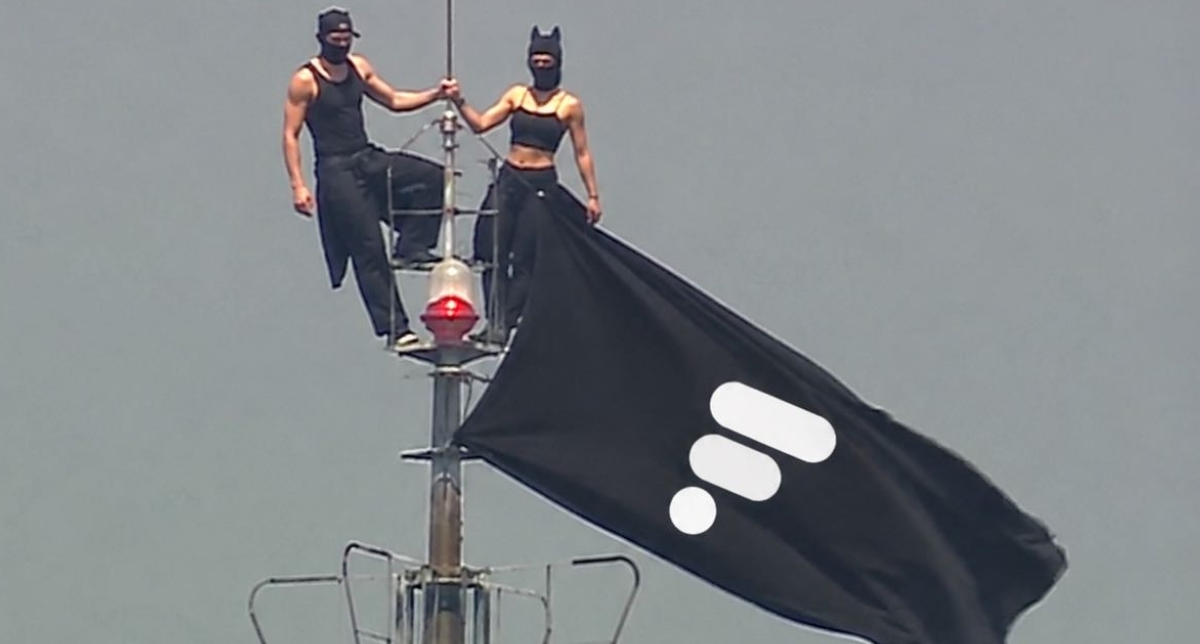
When a couple gets engaged on a 1,454-foot broadcast tower, better known as the Empire State Building, the internet does not wait.
A moment like that can become a meme, a format, a punchline or a brand opportunity within hours. But if your team still needs to move through creator discovery, approvals, contracts, rights checks, compliance and paid amplification before responding, the trend is already gone.
Internet culture moves fast. Brand marketing calendars often do not.
That is why so many brands arrive late to trends. It is usually not because they missed the moment. It is because their workflows were not built to act while the moment was still alive.
The brands winning in culture are not simply chasing the latest sound, meme or format. They have the infrastructure to move quickly, safely and creatively when the right opportunity appears.
The answer is clear: trendjacking is no longer a reactive social tactic. It is an operating model.
What is the biggest misconception?
Brands often ask whether they can create culture. The answer is usually no.
Culture belongs to people. It is shaped by shared jokes, behaviours, language, rituals and communities. Brands can participate in it, but they rarely own it.
Creators are the bridge.
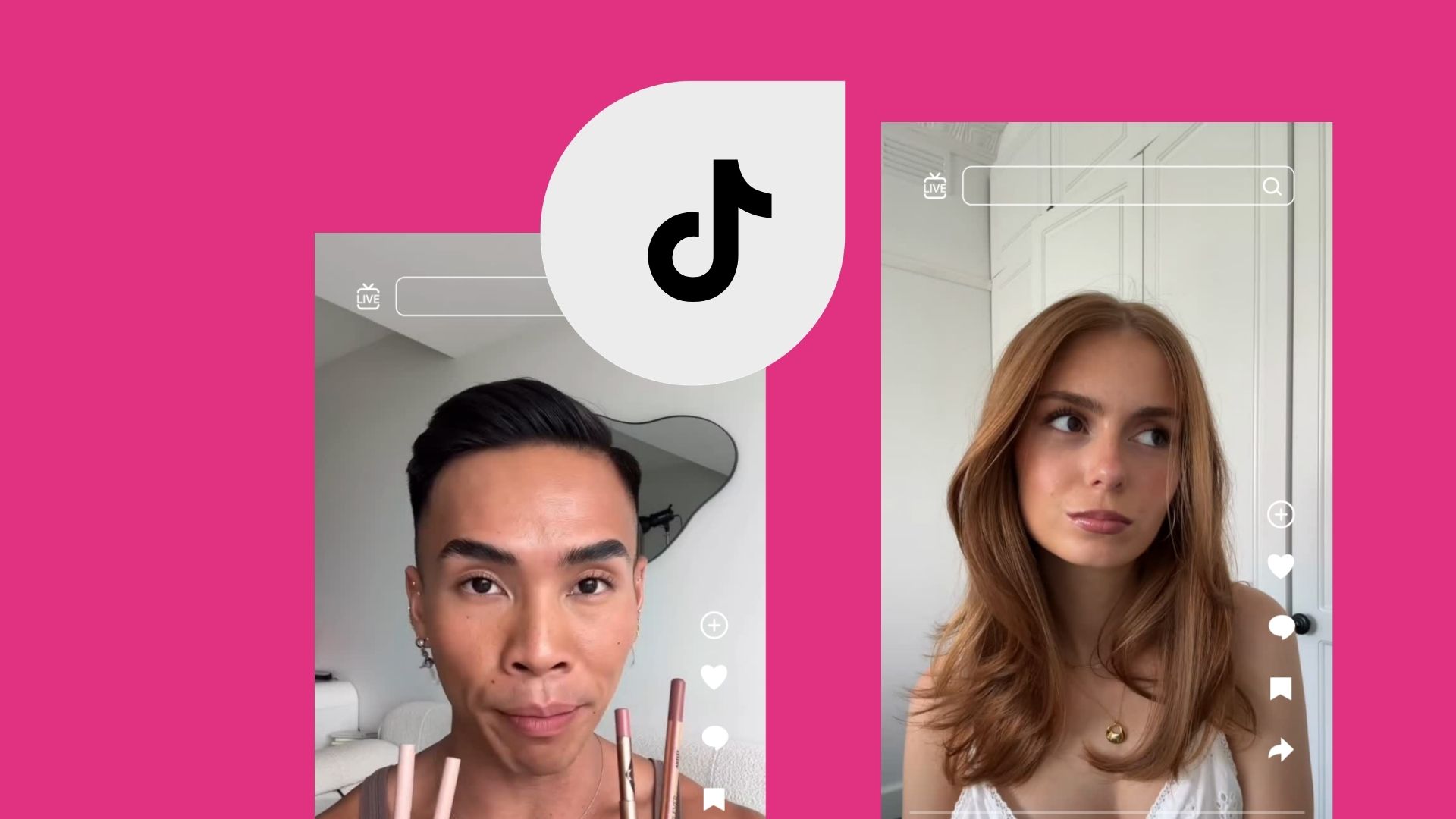
They understand the conversations happening inside their communities, know the formats audiences are already responding to and can translate brand messages into the language of the feed.
As Fabulate puts it, creators are the “key” between brands and culture.
That is why the smartest brands are no longer asking, "How do we make ourselves look culturally relevant?"
They are asking: who already has permission to enter this conversation?
Trends are gateways into communities
Trends are not just fleeting internet moments. They are gateways into communities.
A trend works because people recognise the format. They know the joke, rhythm or expectation before the brand even appears. That familiarity lowers the effort required to understand the content and gives brands a ready-made context to enter.
But not every trend is worth chasing.
A report by TikTok and Billion Dollar Boy broke trends into three useful groups:
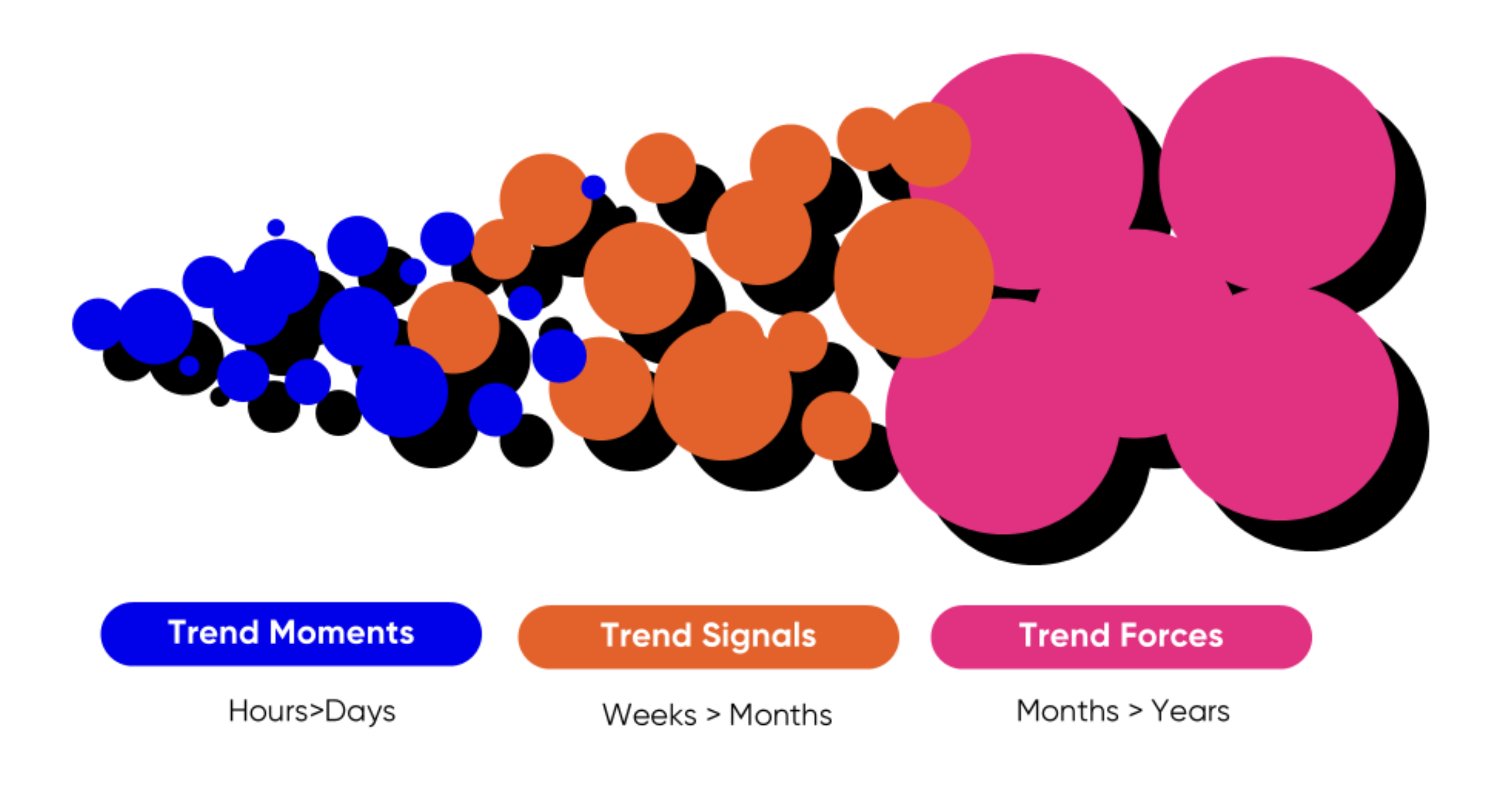
- Trend Moments: fast-moving spikes that appear and disappear within hours or days.
- Trend Signals: formats or behaviours that hold attention for weeks or months.
- Trend Forces: deeper cultural themes and tropes that shape platform behaviour over months or years.
The mistake is treating all three the same. A trend moment needs speed. A trend force needs a strategy. A trend signal sits somewhere in between.
What is the ‘sweet spot’?
Every trend has a lifecycle: origin, replication, mass appeal, splintering, dissipation and graduation. Most brands enter too late, usually around mass appeal or after the trend has already been dissected on LinkedIn.
By then, the format may still be recognisable, but the cultural value has already started to fade.
The opportunity is to enter earlier, when the trend is gaining momentum but has not yet become overused. If a brand cannot be early, it needs to be more creative. Simply copying what everyone else has already done rarely earns attention.
The rule is simple: be first, or add something better.
What is the solution?
Speed does not mean jumping on everything.
The best trendjacking starts with restraint. Does the trend actually fit the brand? Does it support the message? Does it feel authentic? Is there any cultural or reputational risk? Are the rights clear?
Fabulate’s “trend commandments” are useful because they turn speed into a decision-making system. The most important one is also the simplest: just because you can, does not mean you should.
Brands need to ask:
- Do we understand where this trend came from?
- Are we early enough?
- Would a creator execute this better?
- Do we have the right creator for the job?
- Are we adding value, or just adding noise?
That last question matters most. A trend should not be a costume for the brand to wear. It should be a context that makes the brand easier to understand, remember or care about.
Why do creator workflows matter?
The real challenge is not spotting trends. Most teams can see what is moving. The challenge is getting from insight to live content before the window closes.
That requires pre-vetted creators, agreed turnaround times, clear usage rights, fast approvals, internal editing support and paid amplification ready to go.
Fabulate’s model is built around that idea: identify and contract a talent squad, brief relevant creators within 48 hours, streamline approvals within 24 hours, and then publish and boost content the same day. The goal is to move from trend identification to live content within 72 hours.
That is the difference between reactive and ready.
Reactive brands see the trend, scramble to find creators, negotiate terms, brief content, review assets and wait for approvals.
Ready brands already have the people, process and permissions in place.
Trendjacking is not just awareness
The bigger opportunity is not just getting attention. It is building relevance.
Trend-led creator content can work particularly well in the “messy middle” of the funnel, where people are not just becoming aware of a brand but actively forming preferences, understanding products and deciding what feels relevant to them.
That is why trends can be powerful for consideration. They provide a familiar cultural frame, while creators make the message feel native and trusted.
A great example is Fabulate’s work with MAC, which showed how creator-led content can elevate brand visibility while driving action, contributing to a 9.5% increase in ad recall.
The lesson is simple: when brands pair the right cultural moment with the right creators and a clear measurement framework, trendjacking can move beyond “being part of the conversation” and become a performance driver.
The future belongs to always-on culture teams
Trendjacking works best when it is always-on, not occasional. A single trend-led post may create a moment. But a continuous system of trend monitoring, creator collaboration, testing and amplification can improve how a brand shows up across campaigns.
That means brands need to stop treating culture as something the social team reacts to after the fact.
Culture needs to be built into the creator's operating model. Data helps identify what is emerging. AI can support content listening and creator matching. Creators provide cultural fluency. Process turns all of that into speed.
The brands that win will not be the ones with the longest brainstorms. They will be the ones already in the market while everyone else is still deciding whether the trend is right for them.
.jpg)
.png)
.png)
.jpg)


.jpg)
.jpg)
.jpg)
.jpg)
.jpg)


.jpg)








.png)
.png)

.png)
.png)
.png)
.png)
.png)
.png)
.png)
.png)
.png)
.png)
.png)

.png)
.png)
.png)
.png)
.png)
.png)

.png)
.png)
.png)
.png)
.png)

.png)
.png)




.png)