 United States
 Australia
 United Kingdom
 Singapore
 Malaysia
 Thailand
 Indonesia


Episode 24: Are We Entering the Post-Influencer Era?
Influencers aren't disappearing, but what makes someone influential may be changing. In this episode, the team explores the backlash to OpenAI's first influencer brand trip, the evolution of influence in an algorithm-led world and why credibility, expertise and genuine human perspective could become more valuable than follower count.
In Episode 24 of Influencing Outcomes, Nathan Powell is joined by Eliza Lewis and Terri Owens to ask whether we're entering a post-influencer era, or simply another evolution in what it means to have influence.
The conversation starts with the backlash surrounding OpenAI's first influencer brand trip, where creators were invited to a luxury retreat in upstate New York. While many of the creators appeared to be logical partners on paper, the reaction from their audiences raised bigger questions about relevance, credibility and the role brands should ask creators to play.
From there, the team explores how influence itself is changing as algorithms reduce the importance of follower count and AI makes content increasingly abundant. Rather than signalling the death of the influencer, the next era could make genuine expertise, perspective and trust more important than ever.
The Right Creator Can Still Be the Wrong Partnership
OpenAI's influencer trip provides an interesting lesson in why finding a creator who is relevant to your category doesn't automatically make a partnership credible.
Many of the creators selected made sense on paper, including technology creators and founders with backgrounds that naturally aligned with AI. The problem was the context surrounding the activation.
AI remains highly polarising, with audiences debating its impact on jobs, creative industries, misinformation and the environment. Against that backdrop, content featuring luxury cabins, farm-to-table dinners, yoga and beekeeping created a disconnect between the conversation audiences were having about AI and the story OpenAI appeared to be telling.
For marketers, the lesson is that creator selection may increasingly need to move beyond audience fit towards values fit. It's not only about understanding who a creator reaches, but why those people trust them and whether a partnership feels consistent with that relationship.
Creators Need to Be More Than a Brand Megaphone
The OpenAI example also raises a bigger question about the role creators should play in brand partnerships.
The episode considers what might have happened if the creators had instead been encouraged to use the technology, meet the people building it, ask difficult questions and then tell their audiences what they genuinely thought.
That approach requires brands to give up some control, but it's also where much of the value of creator marketing comes from. Creators build audiences around their expertise, taste, experience, personality or judgement, and partnerships become less credible when those qualities are replaced by an approved brand message.
If a creator can only ever tell an audience that a product is amazing, they're not necessarily influencing them. They're simply delivering advertising through a different face.
Influence Has Already Evolved Several Times
The idea of a post-influencer era assumes the definition of an influencer has remained relatively static, when the category has already reinvented itself several times.
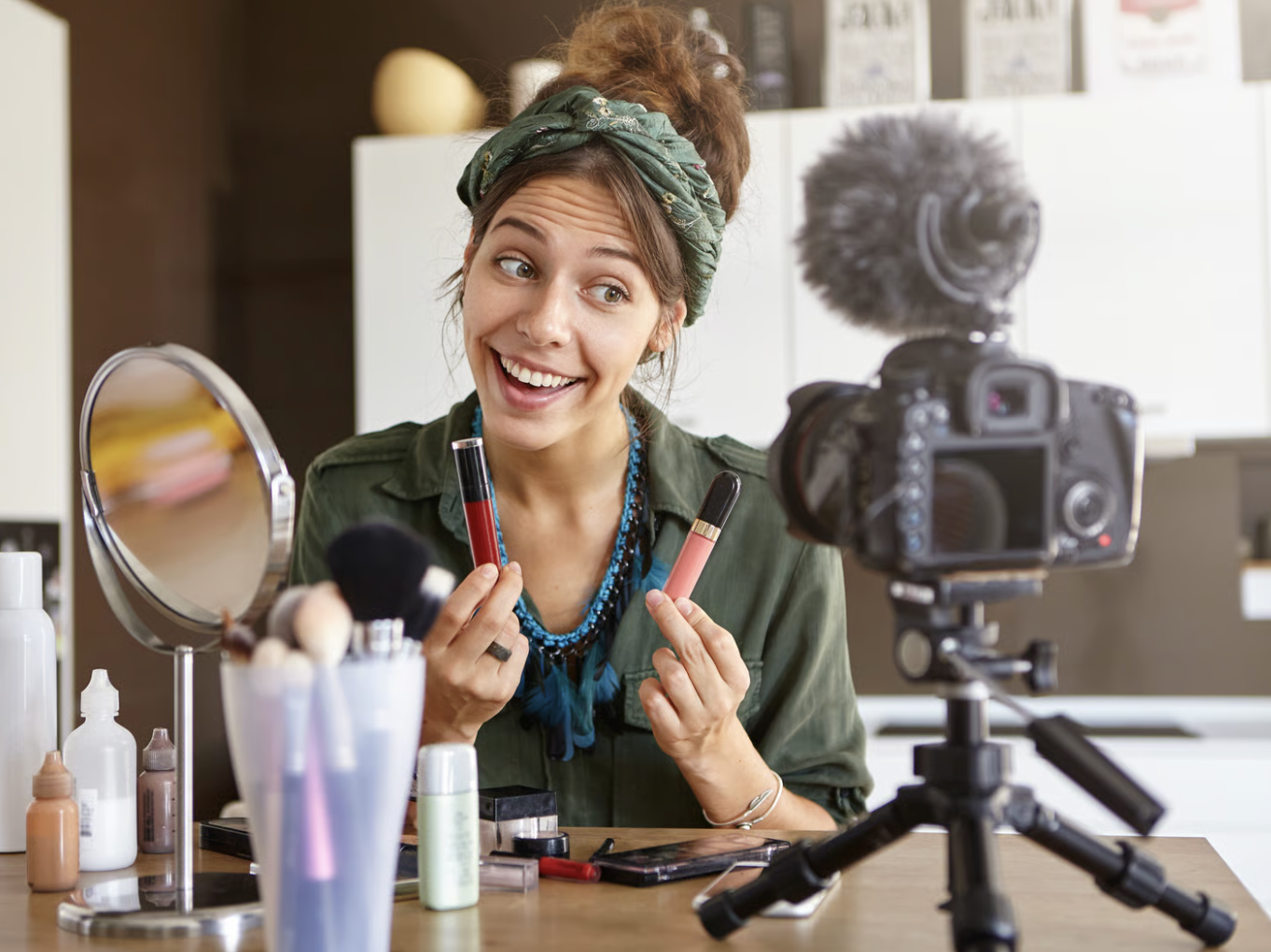
The episode describes Influencer 1.0 as the era of interest and expertise, when beauty bloggers, gamers, food creators and early YouTubers built audiences around what they knew or created.
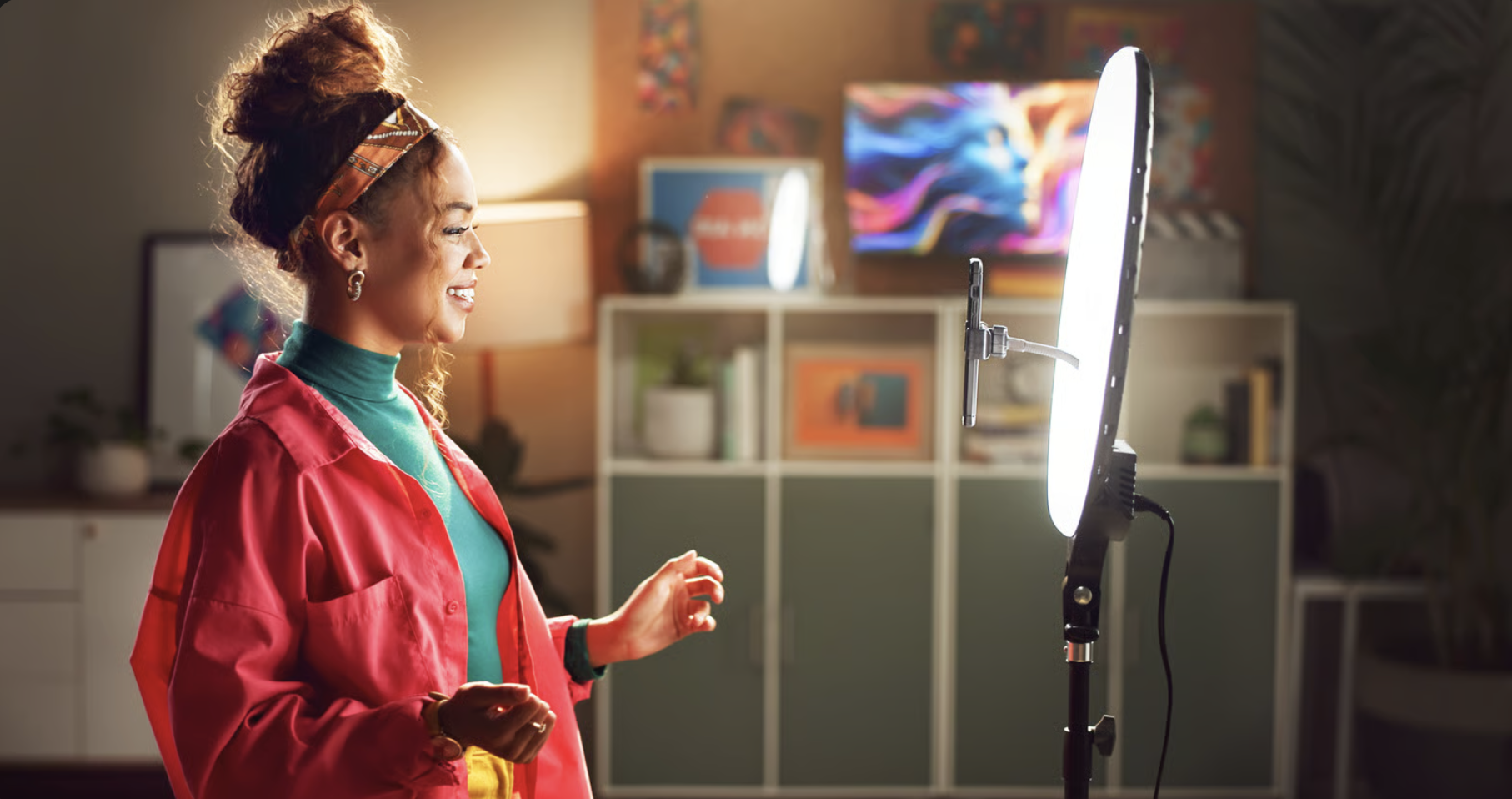
Influencer 2.0 shifted towards lifestyle, where the creator increasingly became the content and audiences followed their routines, purchases, holidays and everyday lives.
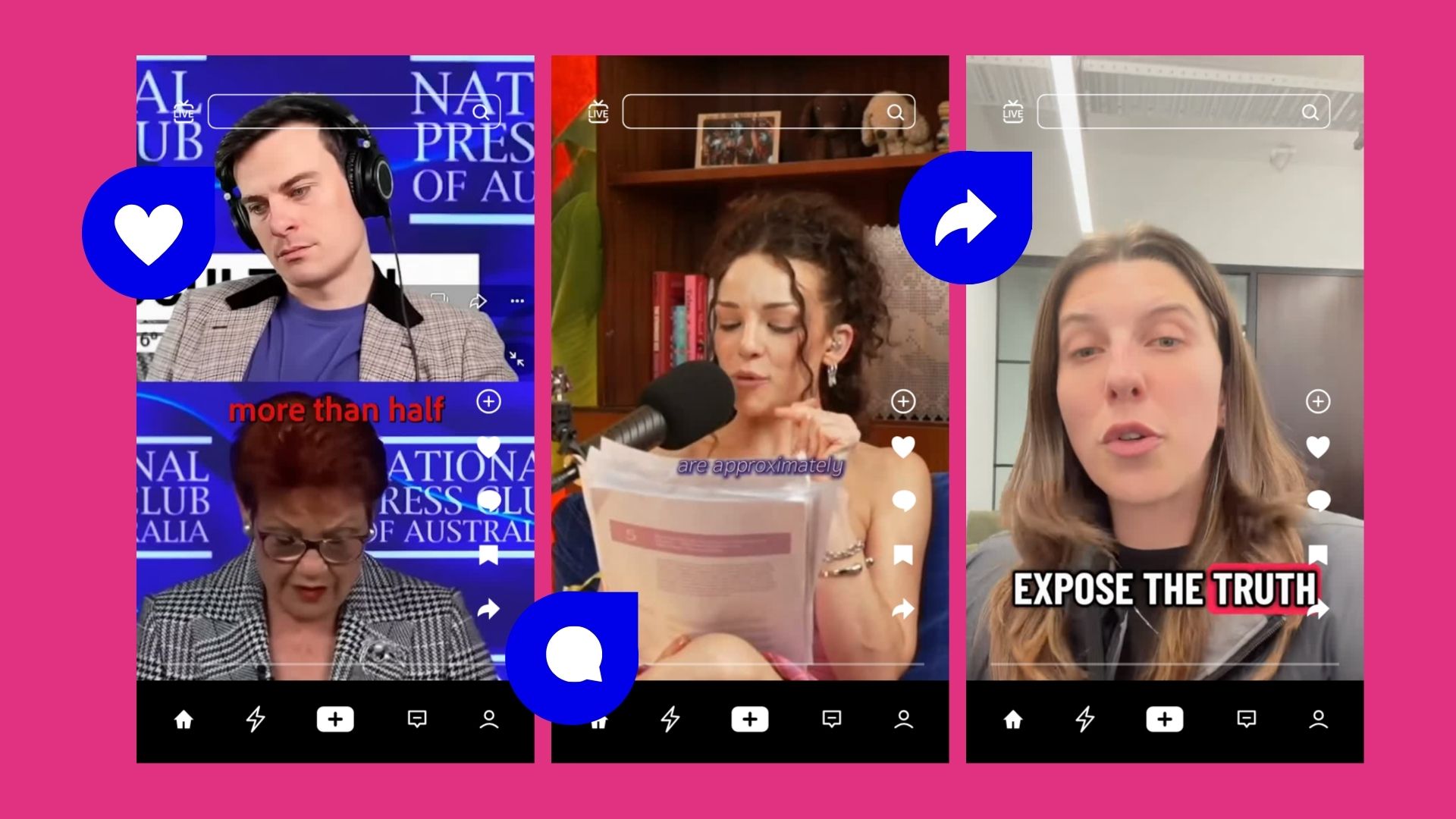
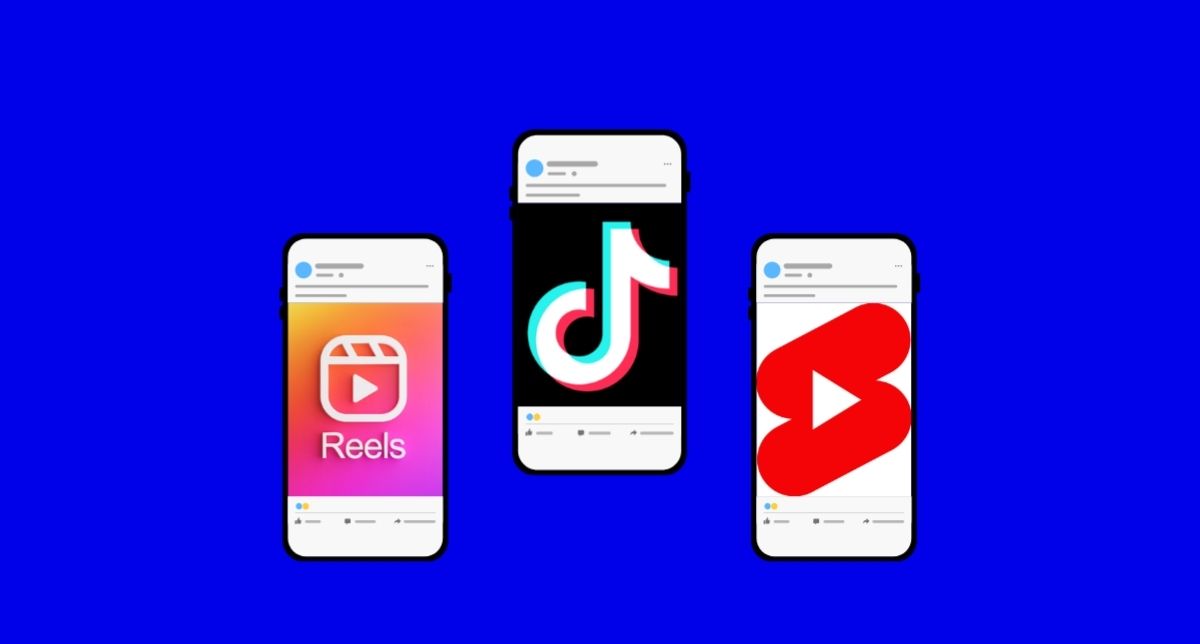
Then recommendation algorithms changed distribution. TikTok accelerated interest-based feeds, with Instagram and YouTube following, meaning creators no longer necessarily needed millions of followers to reach millions of people. Influencer 3.0 became about understanding attention and creating content that could stop someone scrolling, regardless of whether they already followed you.
That shift creates an important question for marketers: if you no longer need someone's followers to achieve distribution, what exactly are you buying when you work with a creator?
Credibility Could Become the Next Currency of Creator Marketing
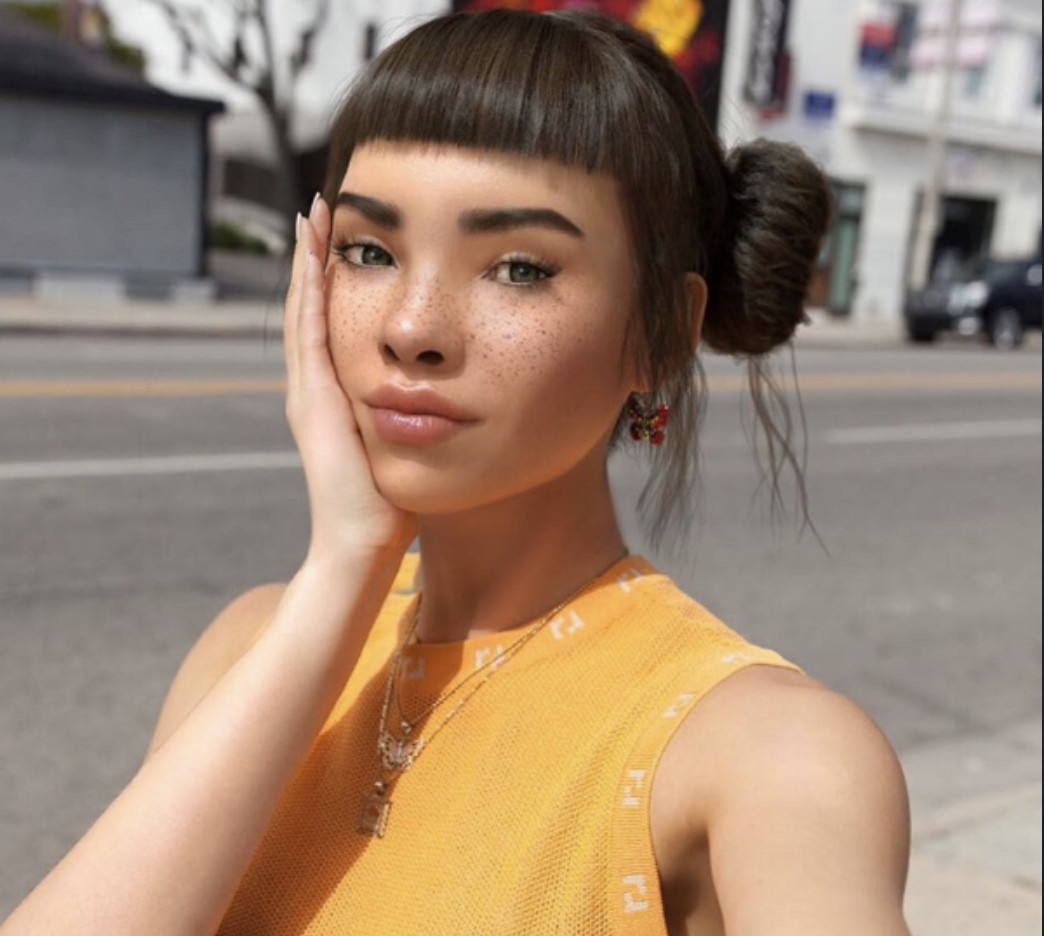
As algorithms make distribution more accessible and generative AI dramatically increases the amount of content being produced, the scarce resource may be changing again.
Attention still matters, but trust is much harder to manufacture.
The episode explores several types of creators that could thrive in this environment, from educators with genuine expertise and creatives with a recognisable human craft to cultural guides, micro bloggers and conversational storytellers whose value comes from their perspective and personality.
What connects them isn't follower count or production value. It's their ability to offer something audiences genuinely value and trust.
There is an interesting irony in where that could take creator marketing. After moving from expertise to lifestyle and then towards algorithmic attention, the next era could place renewed value on many of the qualities that made the earliest creators influential in the first place.
People aren't going to stop following people, brands aren't going to stop working with creators and creators aren't going anywhere. But what it means to be influential is changing.
In a world where almost anyone can create content and algorithms can give almost anyone distribution, the next generation of creators may succeed for a surprisingly simple reason: they have something genuinely worth listening to.
Follow, Subscribe and Stay Connected
Enjoyed the episode? Follow Influencing Outcomes on your favourite podcast platform so you never miss an update.
For more insights, industry trends and behind-the-scenes content:
Follow Fabulate on socials: LinkedIn | Instagram | TikTok | YouTube | Facebook

.jpg)

.png)
.png)
.jpg)


.jpg)
.jpg)
.jpg)
.jpg)
.jpg)

.jpg)






.png)
.png)
.png)
.png)
.png)
.png)
.png)
.png)
.png)
.png)
.png)
.png)
.png)

.png)
.png)
.png)
.png)
.png)
.png)
.png)
.png)
.png)
.png)
.png)


.png)
.png)



.png)