United States
 Australia
 United Kingdom
 Singapore
 Malaysia
 Thailand
 Indonesia


Episode 26: What Do AEO and GEO Mean for Creator Marketing?
AI is changing how people discover brands, products and recommendations. In this episode, the team explores what AEO and GEO mean for creator marketing, how creator content could shape the answers AI provides, the limits of what these platforms can see and why being visible to a machine isn't necessarily the same as being influential.
In Episode 26 of Influencing Outcomes, Nathan Powell is joined by Eliza Lewis and Ben Gunn to explore Answer Engine Optimisation (AEO) and Generative Engine Optimisation (GEO), and what the rise of AI-powered discovery could mean for creator marketing.
For more than two decades, search has shaped how people discover information online. You type a question into Google, work through the results and decide which answer, product or brand you trust. Increasingly, people are asking ChatGPT, Gemini, Claude and other AI platforms to make that decision for them.
The distinction between SEO, AEO and GEO is relatively simple. SEO is about helping your brand appear in search results. AEO is about getting your brand into the answer itself. GEO is broader, looking at what generative AI knows about your brand, what it associates with you and whether it ultimately recommends you.
For creator marketing, that creates an interesting new dynamic. Creator content has traditionally been made for people, while creators have become increasingly sophisticated at making that content work for social algorithms. Now there could be another audience to consider: the AI systems using content to help form their answers.
Creator Content Could Become Evidence for AI
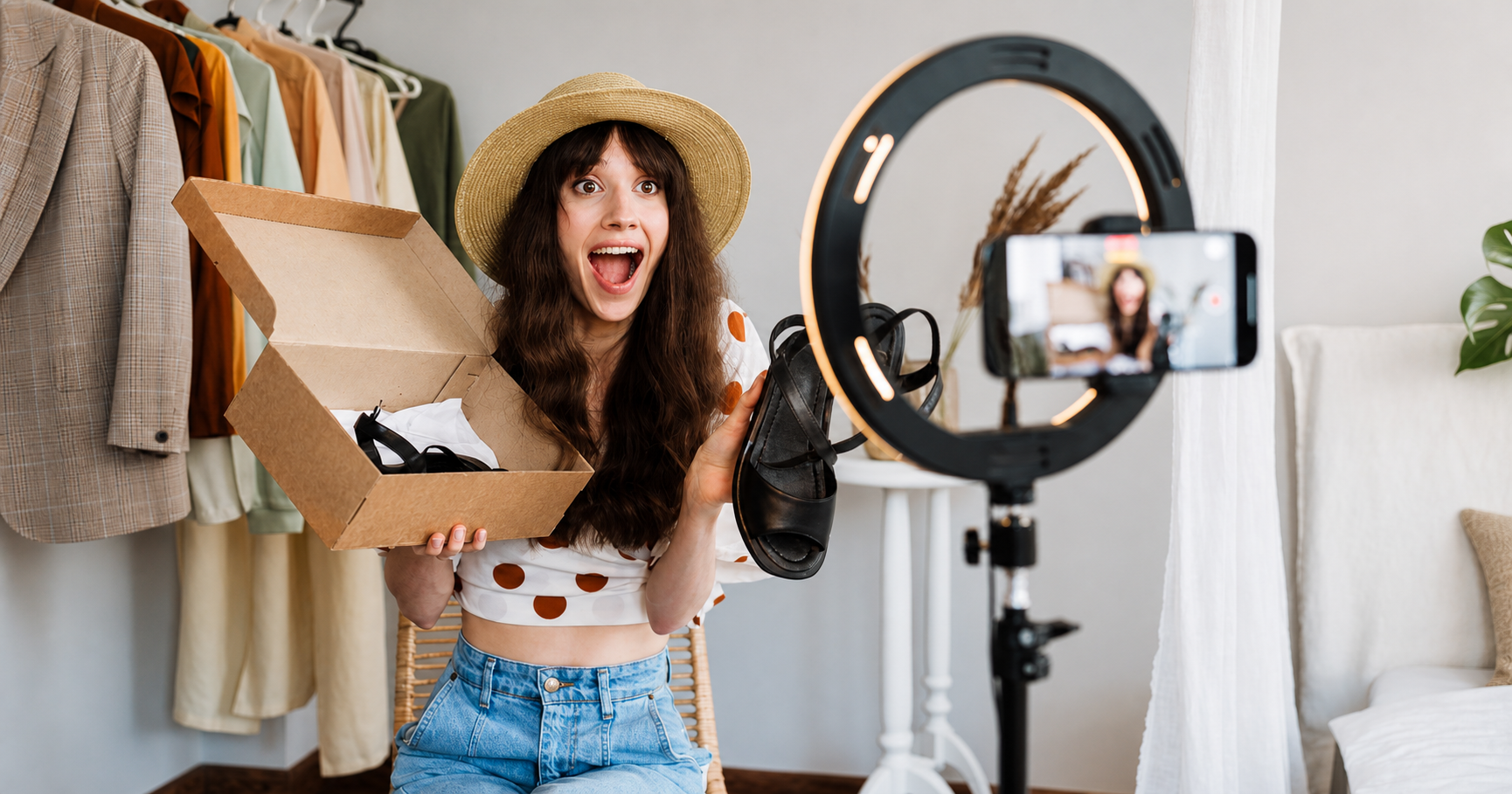
Creator marketing has traditionally been about influencing the person consuming the content. A creator uses something, talks about their experience and potentially changes what someone thinks or does.
But if AI can understand that content too, the creator may be producing something else at the same time: evidence about the brand.
A creator reviewing a product, comparing it with a competitor, demonstrating how they use it or answering a specific question creates information an AI system could potentially use when responding to someone else's question later. That becomes particularly interesting because the way people ask questions is changing.
Someone searching Google might type "best marathon running shoes". Ask ChatGPT the same question and you can explain that you're training for your first marathon, you're a heavier runner, you've got bad knees, you mostly run on concrete and you've got $200 to spend.
For brands, that means there could suddenly be hundreds of different questions and circumstances surrounding the same product. Creator content has always helped brands answer those questions. AEO and GEO could make those answers valuable well beyond the audience that originally saw the content.
Brands May Need More Answers, Not More Repetition
That also has implications for the traditional creator brief. If 50 creators all repeat the same three approved product messages, a brand may have created a lot of content without necessarily creating much additional information. There could be more value in thinking about the different questions, experiences and proof points customers actually care about and finding creators who can speak authentically to each of them.
For a skincare brand, that might mean creators talking about different skin types, routines, climates, problems, comparisons or ways of using a product. Instead of everyone delivering essentially the same message, each creator contributes something different to the broader picture.
Importantly, this doesn't require brands to start making content for machines.
It's really an extension of what good creator marketing should already look like. Creators are most valuable when they're able to bring their own experience, expertise and relationship with their audience to the content rather than simply repeating a brand brief.
The difference is that AI-powered discovery could make the collective value of those different perspectives much greater.
Being Visible to AI Isn't the Same as Being Influential
There is a significant limitation to all of this: AI can't see the entire creator economy. Creator content sits across YouTube, Instagram, TikTok, Reddit, Douyin, WeChat and countless other ecosystems. No general-purpose AI platform has a complete view of everything happening across them.
Some creator content is also easier for machines to understand. YouTube, for example, can provide titles, descriptions, captions, transcripts, chapters and comments that give a machine plenty of context about a video. Content elsewhere may be much harder for an external AI system to access or interpret.
That creates what the episode describes as machine-readable authority.
A creator could be enormously influential with a particular community while leaving relatively few signals that an AI can easily see. Another creator could have a substantial presence across the open web and therefore appear much more authoritative to the machine. The same problem applies when marketers use general-purpose LLMs for creator discovery.
Ask an AI platform for 30 beauty creators in Indonesia who talk about affordable skincare for Gen Z women and it will give you an answer. But that doesn't tell you how complete that answer is, or whether the creators it knows about are actually the best creators for the job.
There is an important difference between using an LLM to interrogate purpose-built creator data and treating the LLM itself as the data source.
Otherwise, marketers risk confusing the creators the machine knows the most about with the creators who are actually the most influential or relevant.
Don't Build Your Creator Strategy for the Machine
So, does every brand suddenly need an AEO or GEO creator strategy?
This is still a rapidly evolving area. and the information AI platforms can access, the sources they rely on and the way they form recommendations are changing constantly. Trying to engineer a creator strategy around what appears to work with one model today could quickly become outdated.
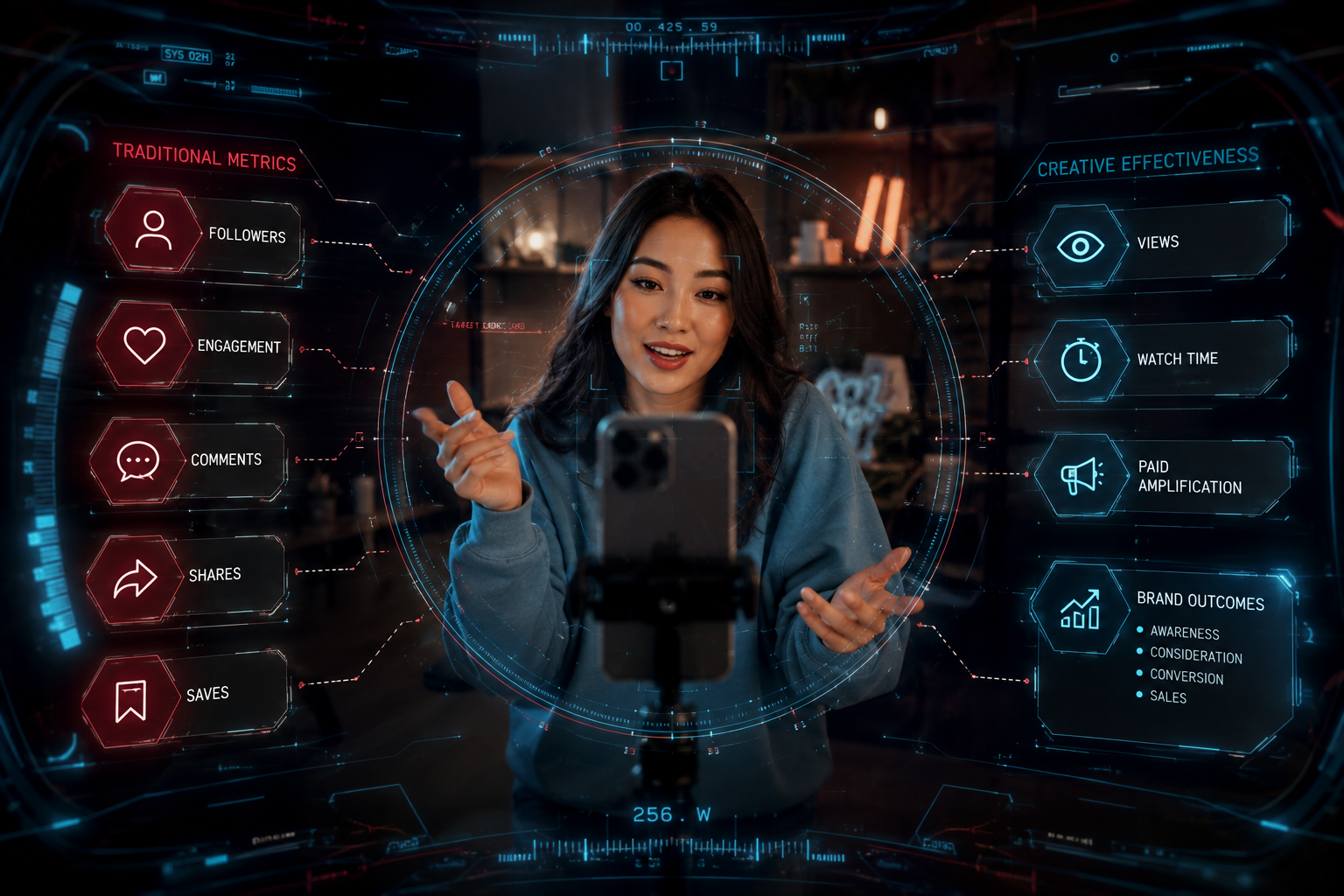
Creators will naturally adapt. They've already spent years learning how thumbnails, hooks, hashtags, keywords, watch time and retention affect how algorithms discover their content. Over time, they'll also become better at making their expertise and content understandable to AI.
For brands, the better response for now is to focus on the fundamentals.
Work with creators who genuinely know what they're talking about. Create content that answers the questions customers actually have. Cover different experiences and use cases instead of repeating the same messages. And consider how an always-on creator strategy can continue building that body of useful content over time.
AEO and GEO may change how that content gets discovered and where its value ultimately appears, but they don't change what makes the content valuable in the first place.
Whatever the next three-letter acronym turns out to be, useful content from credible people answering real questions is still a pretty good place to start.
Follow, Subscribe and Stay Connected
Enjoyed the episode? Follow Influencing Outcomes on your favourite podcast platform so you never miss an update.
For more insights, industry trends and behind-the-scenes content:
Follow Fabulate on socials: LinkedIn | Instagram | TikTok | YouTube | Facebook
.jpg)

.jpg)
.jpg)
.jpg)
.jpg)
.jpg)

.jpg)







.png)
.png)

.png)
.png)
.png)
.png)
.png)
.png)
.png)
.png)
.png)
.png)
.png)

.png)
.png)
.png)
.png)
.png)
.png)
.png)
.png)
.png)
.png)
.png)

.png)
.png)


.png)