United States
 Australia
 United Kingdom
 Singapore
 Malaysia
 Thailand
 Indonesia


Seven creator marketing myths brands should leave behind
Creator marketing has matured, but old assumptions still shape briefs and budgets. Here are seven myths brands should challenge in 2026.
Seven creator marketing myths brands should leave behind
The common thread across most influencer marketing myths is treating creators like media placements rather than people, creative partners and measurable business relationships. Better creator marketing starts by matching the creator, format, commercial model and measurement approach to the job the campaign needs to do.
Influencer marketing has been around long enough that we should have moved past some old assumptions. The State of Creator Marketing Australia 2026 report, by AiMCO and the Marketing Association of Australia, found 84% of organisations surveyed already invest in creator marketing. Brand building (80%) and cultural relevance (76%) were the most common uses, ahead of performance and sales measures (51%). Yet creators are still often treated as either an easy shortcut to attention or an unpredictable risk brands cannot control.
Some myths make the work sound simple. Others make the channel seem more complicated or limited than it is. Together, they encourage brands to focus on the visible output while overlooking the audience, creative work, commercial structure and measurement behind it.
Here are seven myths we at Fabulate think are worth clearing up.
Myth 1: Bigger follower counts mean better marketing results
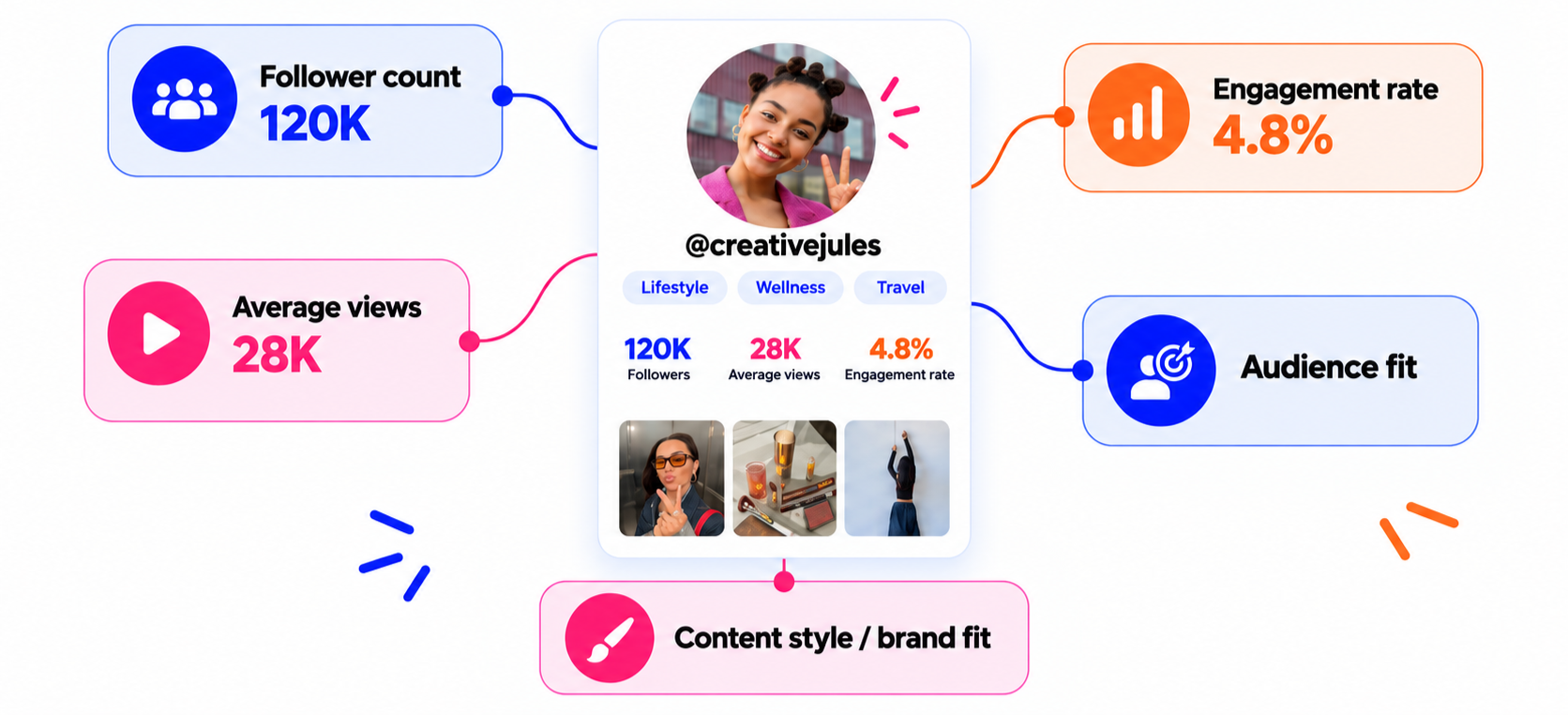
Follower count is easy to compare, which is why it carries so much weight. It cannot tell you how many people will see the next post, whether they resemble the intended customer or whether they trust that creator on the subject.
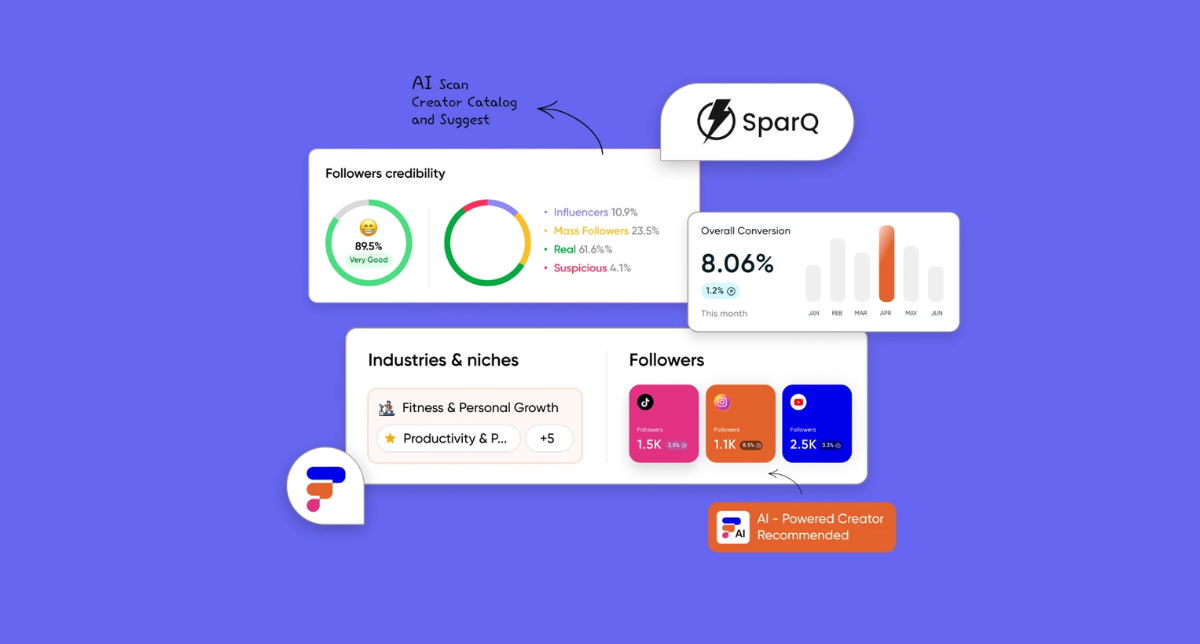
A smaller creator with a relevant community may be more useful than a larger name with broad but less connected reach. Scale still matters, but it needs to be considered alongside audience composition, recent performance, content style and campaign fit. Brands can compare audience, content and performance signals through Fabulate Discovery.
Fabulate's own campaign work shows why size alone is an incomplete selection signal.
For TFE Hotels' Black Friday campaign, two micro creators and one nano creator were amplified through Creator Partnership Ads. The campaign generated $54,263 in tracked revenue from a $10,000 media investment, delivering 5x ROAS. The case shows that micro and nano creators can deliver commercial outcomes when creator fit, creative performance and distribution work together. It does not mean smaller creators will always outperform larger ones; it means follower count alone is not enough to make the decision.
Myth 2: Creator marketing is a campaign tactic
Creator marketing is often still planned as a series of isolated activations: find creators, launch content, report the results and start again.
The market is moving beyond that model. The State of Creator Marketing Australia 2026 found 55% of organisations surveyed now run always-on creator programs and 41% use long-term partnerships alongside campaign activity.
That matters because familiarity can compound. Brands learn which creators understand them, creators build knowledge of the brand and audiences have more opportunities to recognise the relationship. Just as importantly, the brand builds creator program memory: who fits, how they perform, what creative works, what rights were negotiated and what should change next time. That makes it easier to decide which creators are worth building relationships with rather than restarting discovery from zero.
Campaigns still have an important role, particularly around launches and seasonal moments. But treating every brief as a fresh start can mean throwing away knowledge that the previous campaign already created.
Myth 3: Influencer marketing begins and ends on TikTok and Instagram
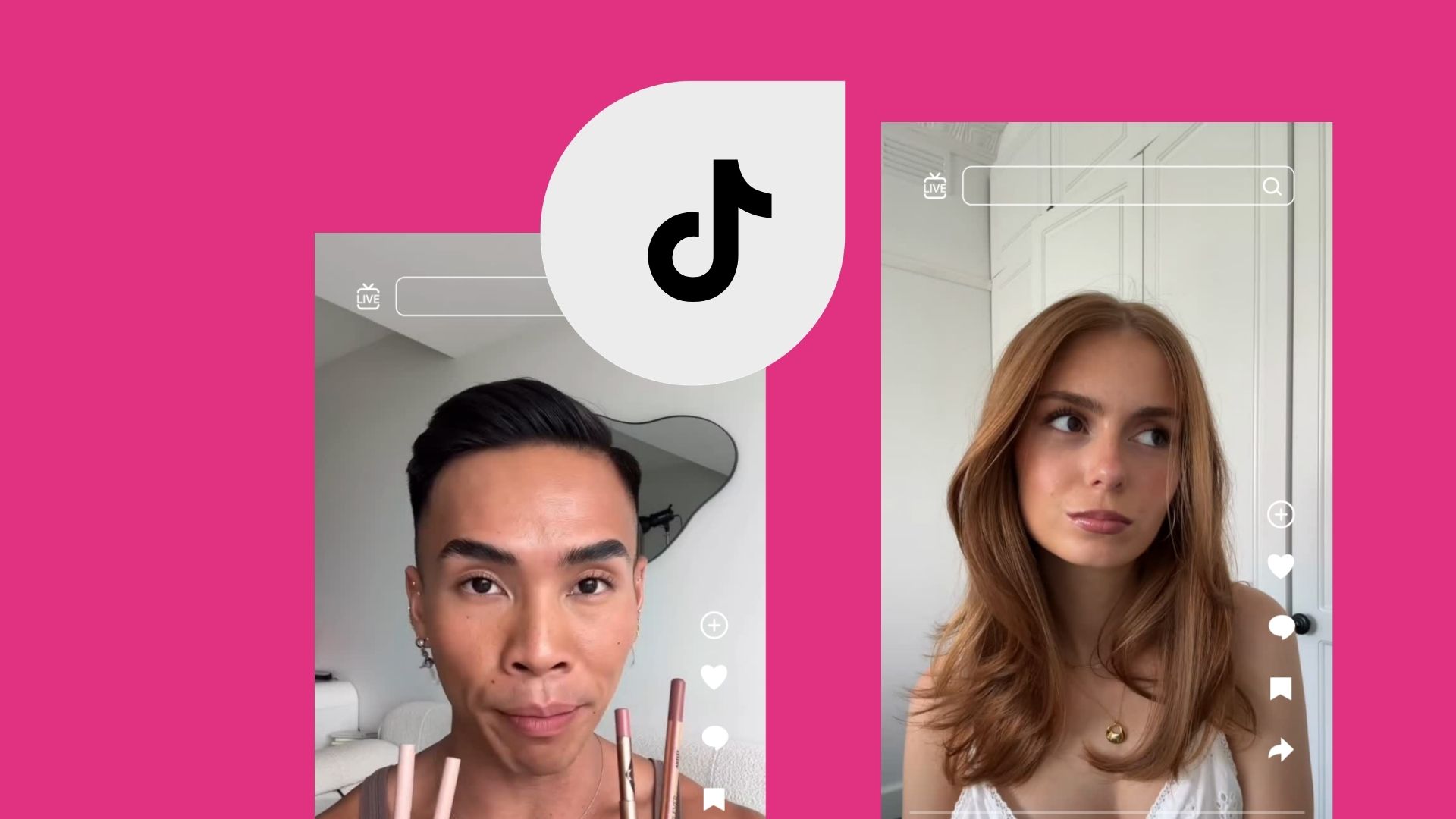
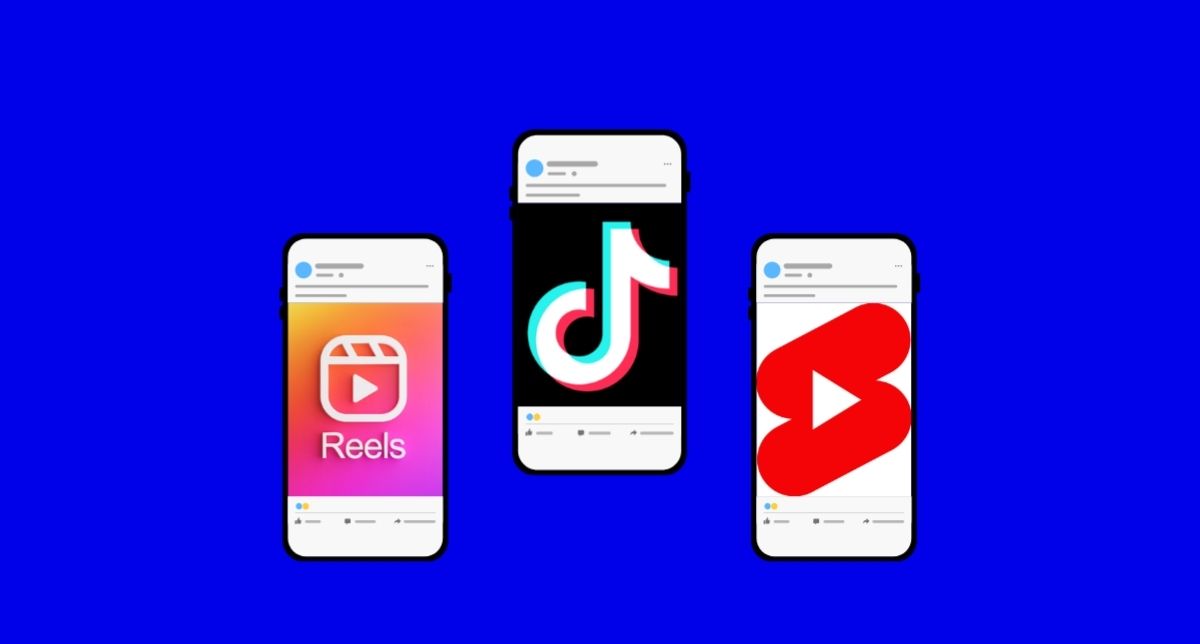
TikTok and Instagram may dominate the conversation, but influence does not stop at a social feed. Creators also build audiences through YouTube, LinkedIn, podcasts, newsletters, blogs and livestreams.
A demonstration may suit a Reel, while a complex service could need a longer YouTube explanation or an industry voice on LinkedIn. The objective should lead the platform choice, not the other way around. For a channel-by-channel view, see Fabulate's Instagram, TikTok and YouTube comparison.
Myth 4: Short content means simple production
A 30-second video can look wonderfully effortless. That usually means a lot of work happened before it reached the feed.
Research, concepting, filming, editing, revisions and approvals can all sit behind a short piece of creator content. And as Fabulate has explored in its guide to creator pricing models, fees can reflect production requirements, usage rights, exclusivity and audience access, not simply time on camera.
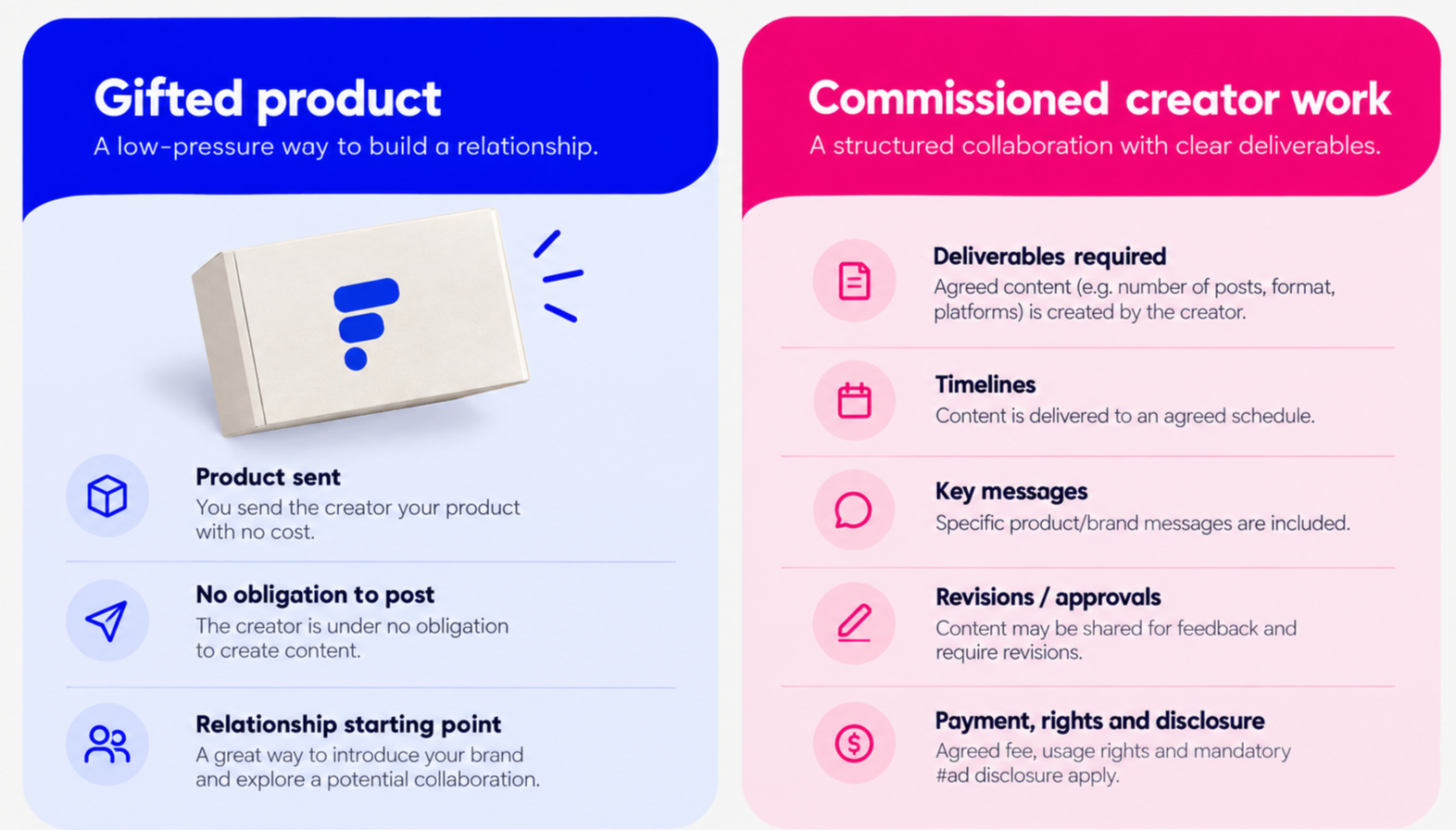
Myth 5: A gifted product is enough compensation
Sending a product can be a useful way to introduce it to creators, but a surprise parcel does not create an obligation to post. Once a brand requires content, a deadline, key messages or approvals, the arrangement has become commissioned work.
Payment should reflect the creator's time, the deliverables and how the content will be used. In Australia, the AANA Code of Ethics states that where an influencer accepts money or free products or services in exchange for promotion, the commercial relationship must be clear, obvious and upfront. Fabulate's guide to influencer marketing disclosure explains why transparency should be treated as part of the campaign infrastructure, not an afterthought. Gifting has a place, but everyone should know what has been agreed.
Myth 6: More brand control produces safer, better content
Brands understandably want control over claims, disclosures and sensitive areas. The problem begins when sensible guardrails become a script that removes the creator's usual voice.
Audiences can tell when branded content sounds unlike everything else on the account. A useful brief explains the objective and boundaries, then leaves room for the creator. Fabulate's creator brief guide frames this as setting the destination while trusting the creator to choose the route.
Questions do not mean the brief has failed. They are a useful check that the audience, non-negotiables, deliverables and creative freedom are understood before production starts.
Myth 7: If it doesn’t drive sales, it didn’t work
Sales matter, but not every piece of marketing has the same job. The State of Creator Marketing Report Australia 2026 found creator marketing is used most heavily for brand building and cultural relevance, while performance and sales are only one part of the channel's role.
Measurement should therefore begin with the objective. A campaign designed to introduce a brand should not be evaluated exactly like an affiliate program designed to close an existing customer.
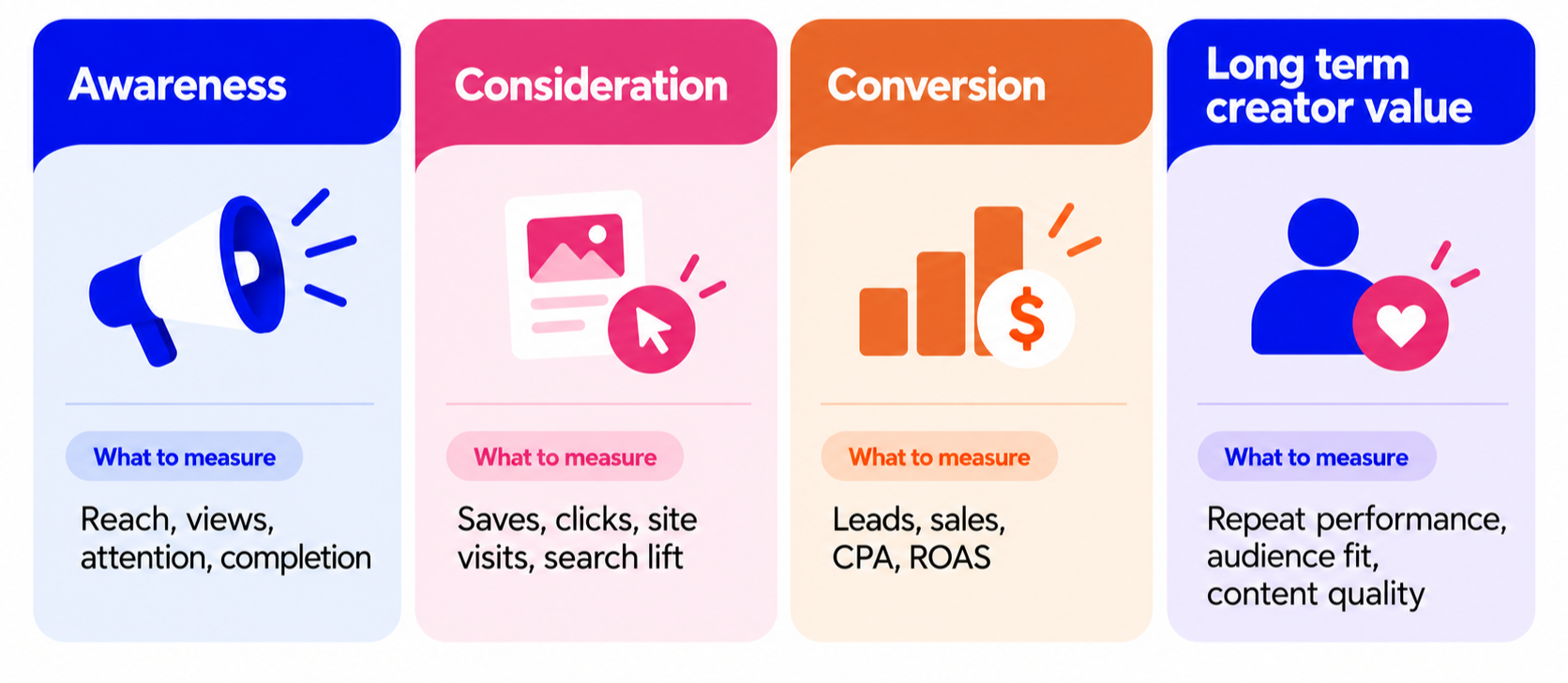
Better creator marketing means improving that measurement while avoiding the assumption that the final click represents the entire value of the relationship. The measurement lens should also extend beyond individual campaigns. Repeat creator partnerships can build stronger audience fit, creative learning and performance over time, making long-term creator value part of the picture.
Better creator marketing starts with better assumptions
Creator marketing has moved beyond choosing the biggest account, writing a script and counting the clicks afterwards.
The stronger programs start with a clearer understanding of the audience, choose creators for relevance rather than reach alone, give them enough freedom to create credibly and measure them against the job they were actually asked to do.
As the market matures, the advantage will increasingly come from what brands learn across those relationships, not simply what they publish in the next campaign.
What brands should do instead
Treat creator marketing as a system, not a string of posts. Start with the objective, select creators based on audience and performance fit, agree scope, compensation and usage rights clearly, preserve enough creative freedom for the content to feel native, and measure against the job the campaign was designed to do.
Then carry those learnings forward so the next brief starts smarter than the last. That matters because creators increasingly influence not only reach, but how Australians discover, evaluate and trust brands.
.png)
.png)
.jpg)


.jpg)
.jpg)
.jpg)
.jpg)
.jpg)

.jpg)







.png)
.png)

.png)
.png)
.png)
.png)
.png)
.png)
.png)
.png)
.png)
.png)
.png)

.png)
.png)
.png)
.png)
.png)
.png)

.png)
.png)
.png)
.png)
.png)
.png)
.png)



.png)