United States
 Australia
 United Kingdom
 Singapore
 Malaysia
 Thailand
 Indonesia


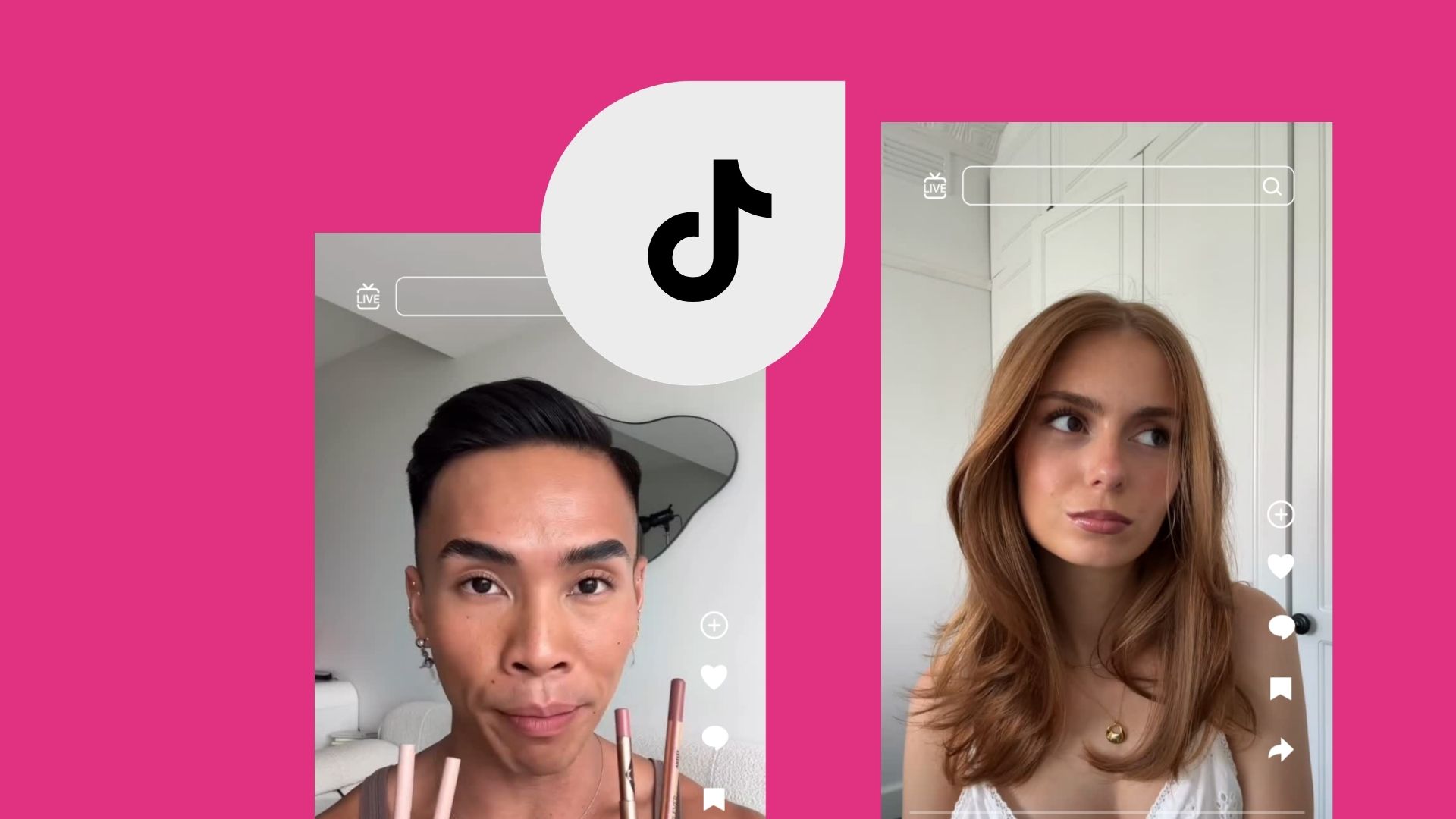
A short history of TikTok: How the ‘For You’ feed changed the creator economy and what comes next
TikTok changed the creator economy by making discovery more important than follower count. We look at the rise of the For You feed, its impact on creators and brands, and how TikTok is now expanding into search, commerce and AI.
A short history of TikTok: How the ‘For You’ feed changed the creator economy and what comes next
TikTok might have began with lip-sync videos and dance challenges, but its biggest contribution was changing how people discover content.
By making creativity more important than follower count, it opened a new route into the creator economy. Now that model is reshaping search, commerce and the way brands value creators.
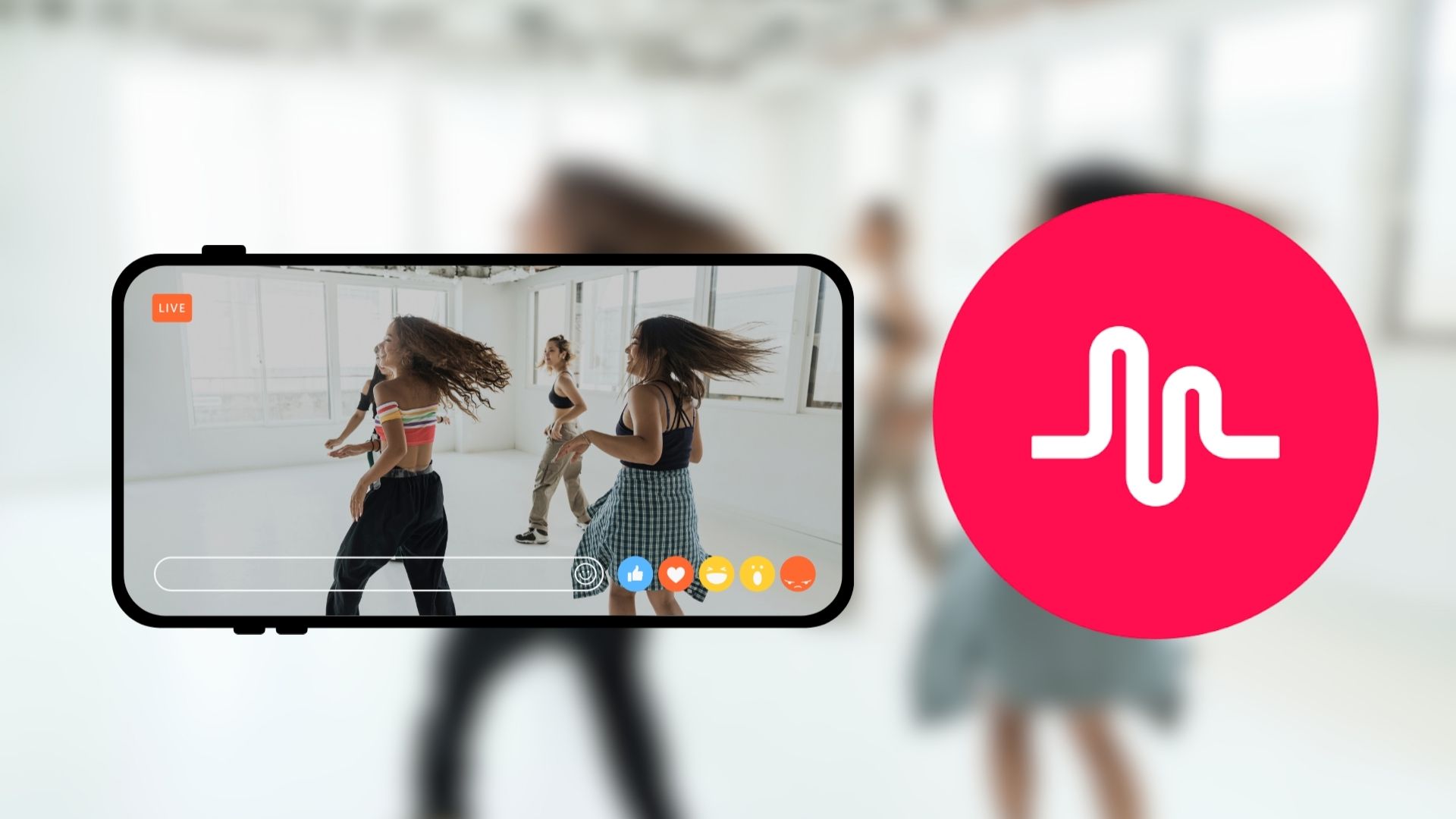
TikTok did not begin as TikTok
In 2016, Chinese technology company ByteDance launched Douyin for the Chinese market, before taking the short-form video concept global as TikTok the following year.
The turning point came in November 2017, when ByteDance acquired Musical.ly, an app already popular with younger audiences.
In August 2018, Musical.ly was merged into TikTok, bringing its creators onto the platform.
Musical.ly brought an established culture of lip-syncing, music and repeatable formats. TikTok gave that community a much more powerful discovery system.
The ‘For You’ feed changed everything
Most social platforms had been built around a social graph, with existing connections determining much of what appeared in users’ feeds.
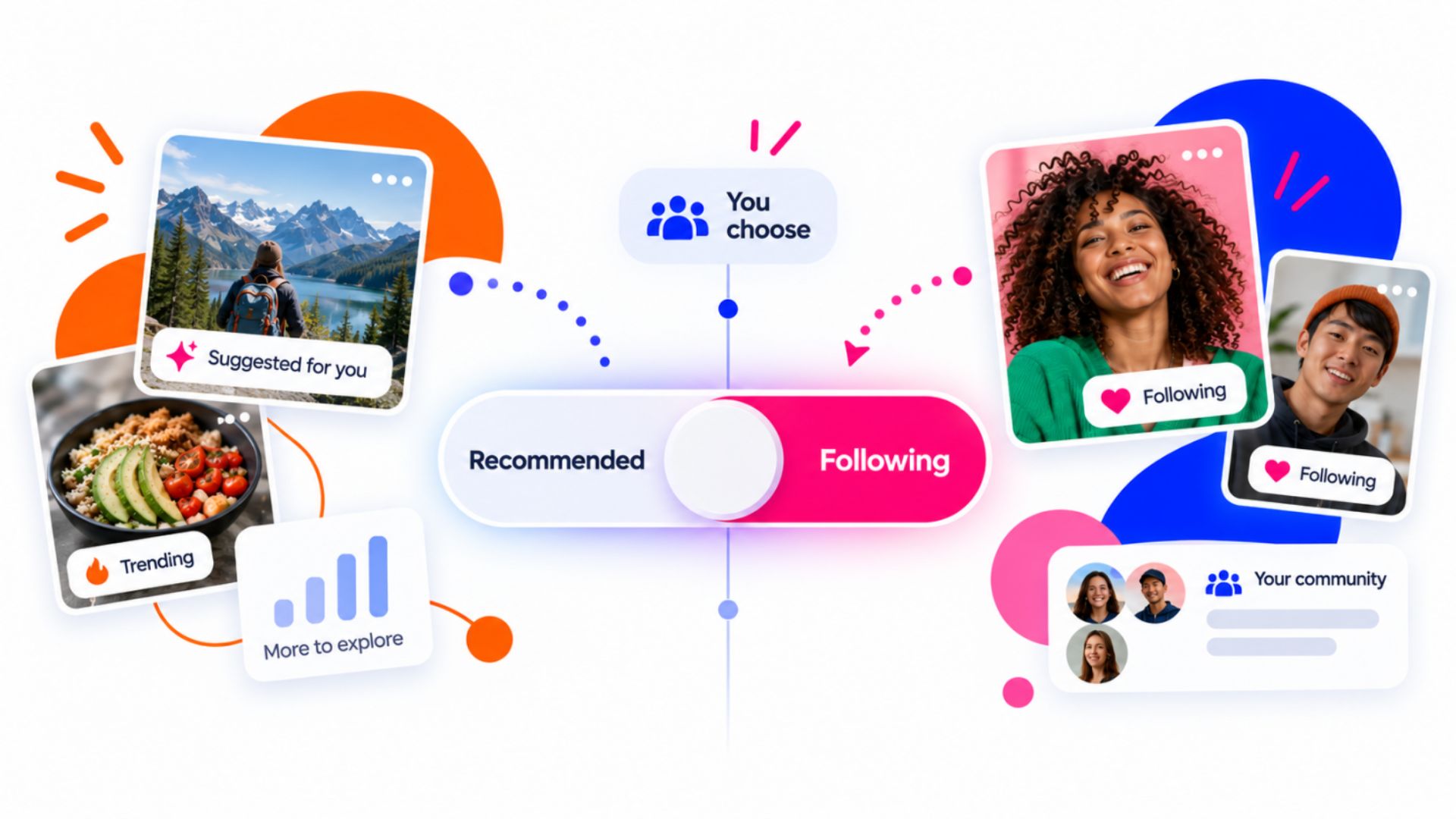
TikTok placed the For You feed at the centre of the experience. Instead of asking users to build a network first, it recommended videos based on what they watched, liked, shared or skipped.
TikTok’s explanation of its recommendation system says follower count and previous viral success are not direct ranking factors. A new creator could therefore reach a large audience if an individual video held people’s attention.
That lowered the entry requirements for the creator economy and helped give rise to the niche creator. Specialist knowledge, a strong idea or an entertaining format could find viewers without years of follower growth.
It also changed what brands were buying. A creator’s understanding of platform culture and ability to make watchable content became commercially valuable beyond their existing audience.
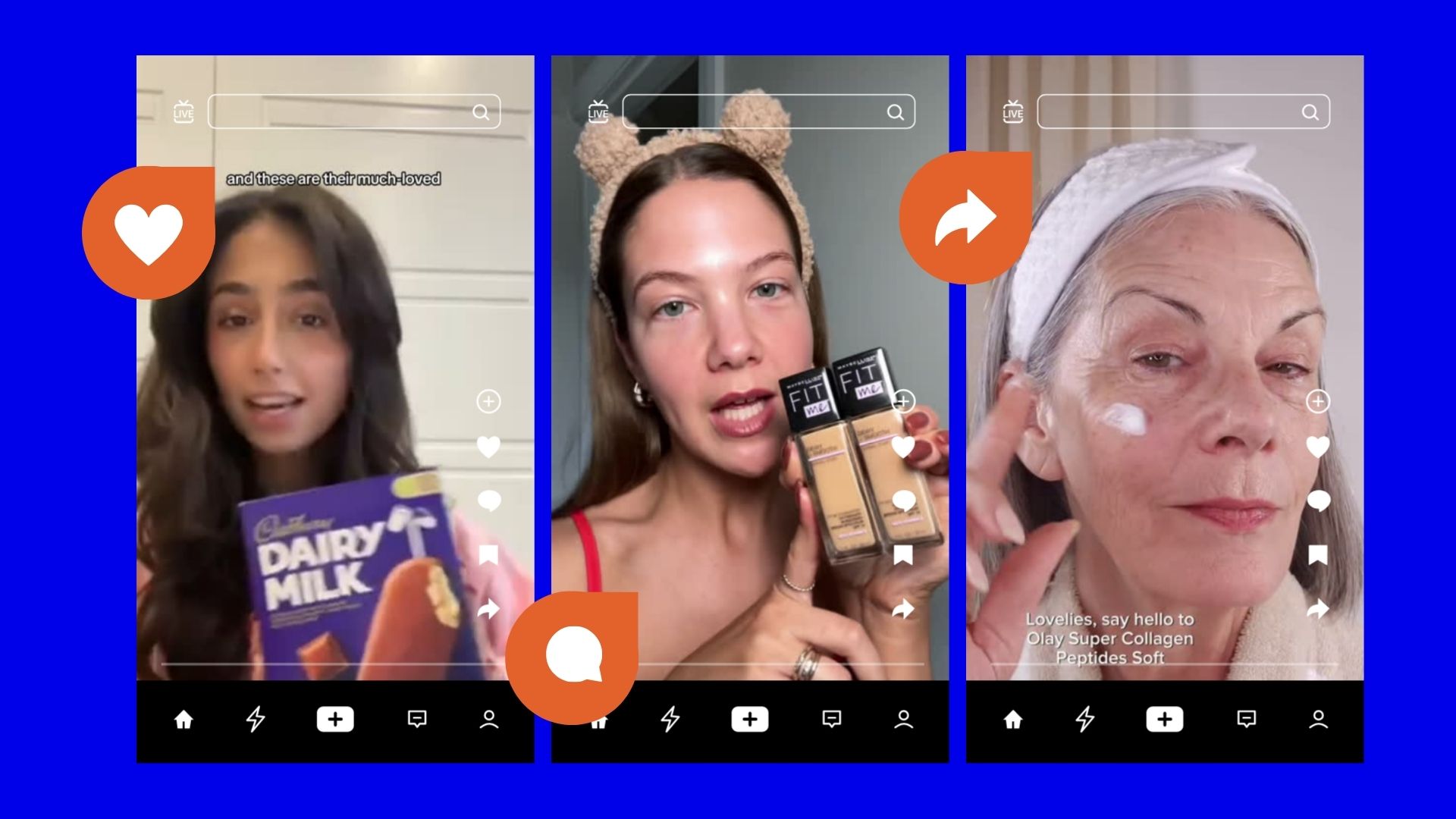
2020 turned TikTok into a cultural meeting place
As people spent more time at home, recipes, dances, comedy and explainers moved through the same feeds.
TikTok’s Australian review of 2020 described people using memes, challenges and viral trends to stay connected. A single video could spark thousands of responses and remixes.
In July 2020, TikTok announced an initial US$200 million Creator Fund, signalling that creator content was becoming professional work. By late 2021, it reported one billion monthly active users.
TikTok outgrew short-form video
TikTok added longer videos, livestreaming, monetisation and shopping features. By 2024, it said users spent half their time watching videos longer than one minute. Its Creator Rewards Program began rewarding original, longer-form content.
TikTok Shop pushed the platform further into commerce by allowing products to be discovered and purchased through creator videos and livestreams. TikTok calls this “discovery e-commerce”, where entertainment, recommendation and purchase happen within the same experience.
Where TikTok is heading next?
TikTok’s next phase is about extending discovery beyond entertainment.
Search is central to that strategy. TikTok said in 2025 that billions of searches occurred on the platform daily, up more than 40 per cent year on year, as it introduced new advertising tools. Its 2026 trend forecast describes users comparing products and finding practical advice.
This positions TikTok between an entertainment platform, a search engine and a digital shopping centre. Creators remain central because they demonstrate how something works and translate information for a community.
Artificial intelligence will accelerate that shift. TikTok’s Symphony Agent can develop videos, identify creator content and find campaign partners. As production becomes easier, personality, expertise and trust will become harder to replace.
Regulation will also shape the platform’s future. Australia’s social media age restrictions now cover TikTok, while a majority American-owned joint venture oversees its US user data and recommendation system.

TikTok changed the wider creator playbook
TikTok shifted the creator economy from a follower-first model towards an interest-first model. It proved that someone without a large established audience could shape culture, move products or build a business when their content connected with the right community.
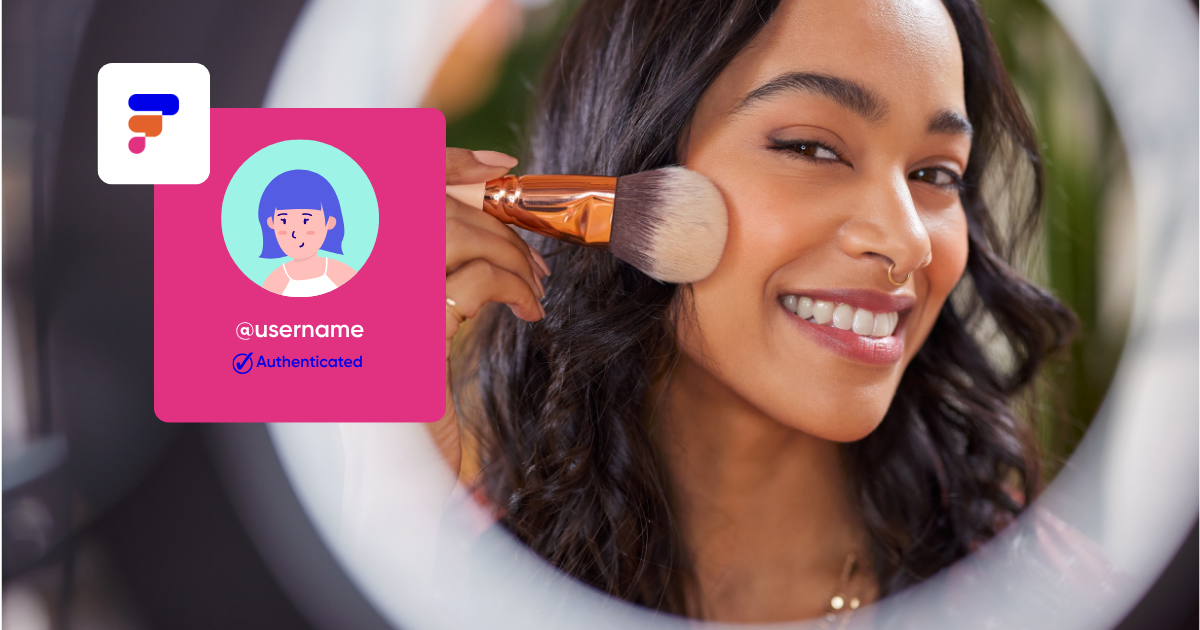
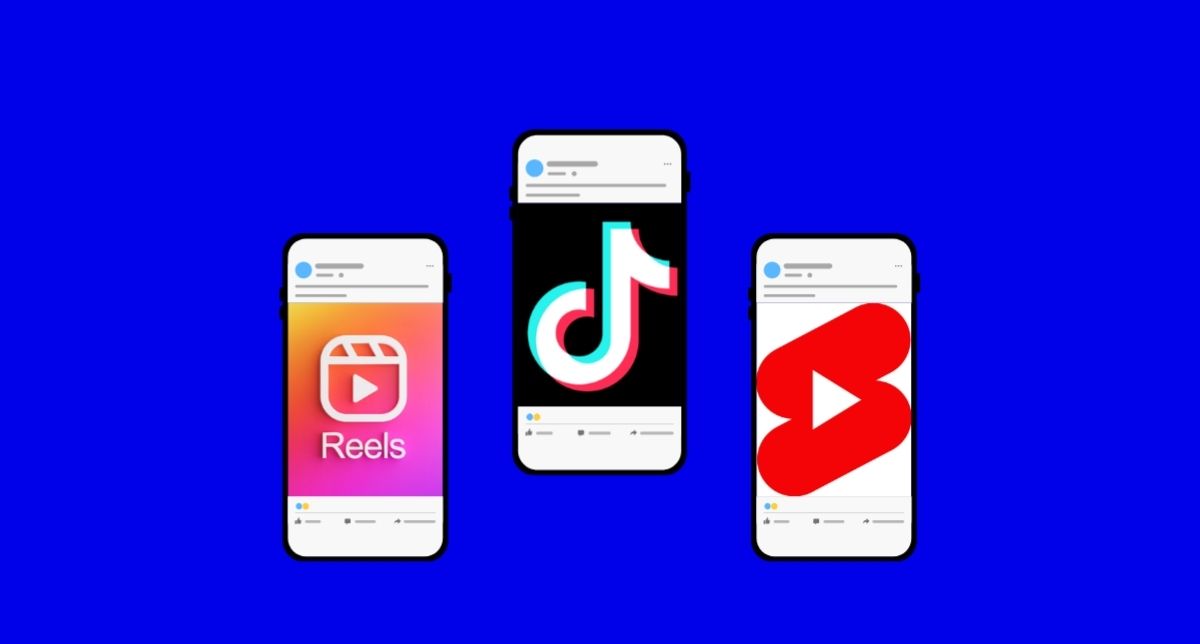
Fabulate Discovery data reflects the scale of that shift. TikTok represents nearly 80 per cent of the 348.1 million creators analysed across TikTok, Instagram and YouTube.
That opportunity comes with greater platform dependence. Reach controlled by a recommendation system can rise quickly and disappear just as fast. Creators still need recognisable identities, intellectual property and relationships that extend beyond one feed.
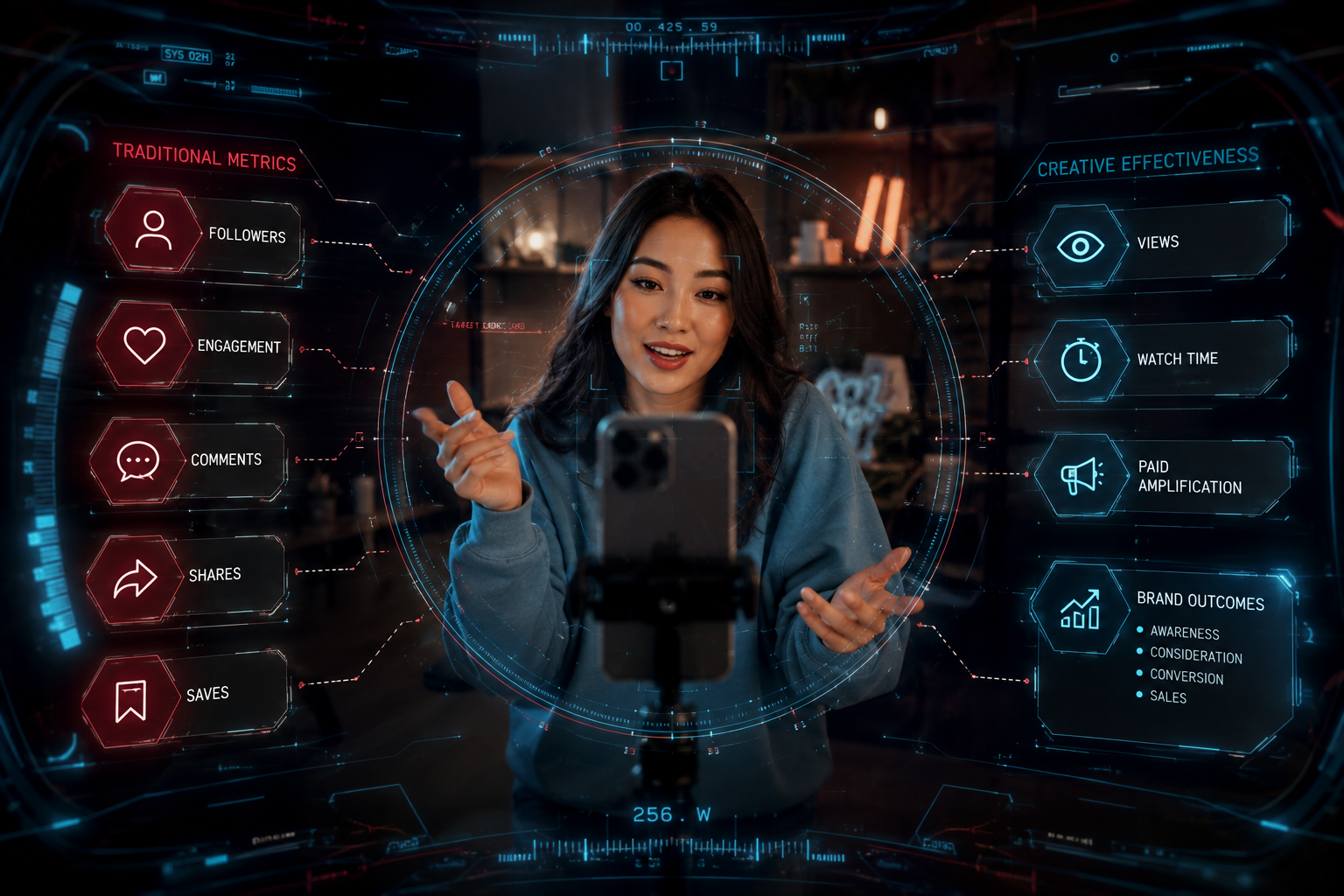
For marketers, the lesson is equally important. Creator selection should account for expertise, audience relevance and cultural fluency, not follower count alone. Creators are not simply distribution channels.
TikTok began as a short-form entertainment app, but it grew by changing who gets discovered and how culture travels. Its next ambition is broader: to shape what people search for, what they buy and which voices they trust along the way.

.jpg)

.png)
.png)
.jpg)

.jpg)
.jpg)
.jpg)
.jpg)
.jpg)
.jpg)






.png)
.png)







.png)
.png)
.png)

.png)
.png)
.png)
.png)
.png)
.png)
.png)
.png)
.png)
.png)
.png)

.png)
.png)
.png)
.png)