United States
 Australia
 United Kingdom
 Singapore
 Malaysia
 Thailand
 Indonesia


How political creators are making politics more accessible
Political creators are changing how younger Australians engage with news and politics, making complex issues feel more accessible, relatable and easier to understand. We explore what’s driving the shift and what it means for the future of political influence.
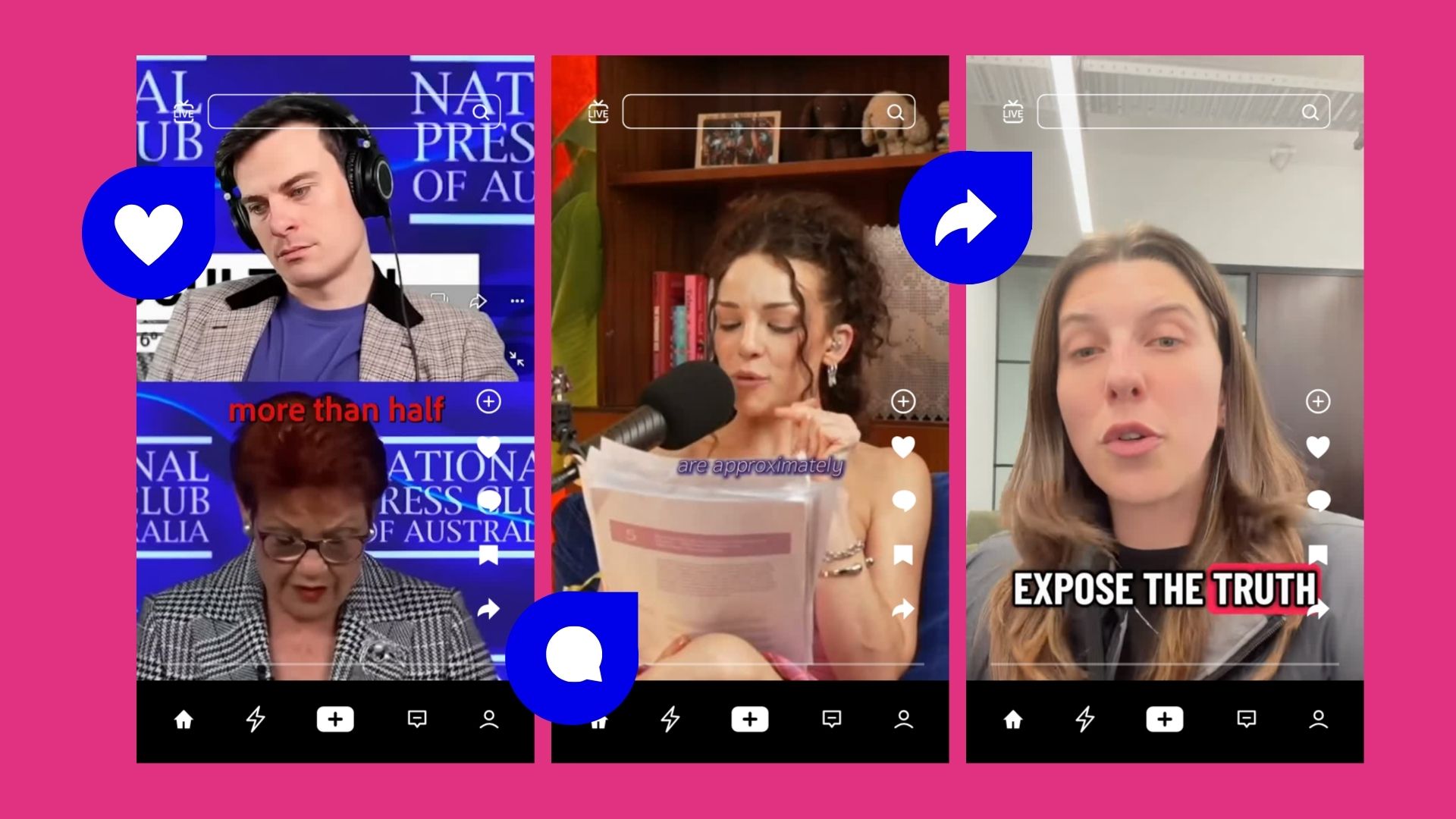
The new Democracy in Our Feeds report, put out last week, examines how the likes of Aussie creators FriendlyJordies, Abbie Chatfield and Hannah Ferguson are shaping how Australians encounter politics.
Led by Griffith University’s Dr Susan Grantham with Sentiment Agency, the research analysed 564 political posts in the lead-up to the 2025 federal election. It describes creators as democracy’s “ignition layer”, often providing the first spark of attention around an issue before established news outlets add further reporting and context.
The important part of the report findings is not simply that creators are talking about politics, but that they are making it easier for people to enter the conversation.
Three creators, three routes into politics
FriendlyJordies, created by Jordan Shanks, resembles an independent political media business built around one recognisable voice. Humour and satire provide an accessible entry point, but his output also includes commentary and longer investigations that ask audiences to stay with complex stories.
Abbie Chatfield came to political media through entertainment. Her podcast It’s A Lot already covered feminism and social issues before she interviewed Anthony Albanese and then-Greens leader Adam Bandt during the federal election. Those conversations brought politicians to an audience that may never seek out a conventional political interview, using the familiarity of an existing creator relationship to make the discussion feel more approachable.
The Australian Electoral Commission later reviewed whether Chatfield’s episodes required electoral authorisation but found they did not, citing no evidence of payment or party control. The case showed how creator formats can blur old distinctions between interviewer, entertainer and commentator without automatically becoming political advertising.
Ferguson works more explicitly within independent news. As co-founder and CEO of Cheek Media, she has built a platform that says it reaches more than two million Australians each month on Instagram by presenting politics and culture in language designed for younger audiences.
Since the period examined by the report, Ferguson has announced that she will contest Grayndler as an independent at the next federal election. Her move makes the changing role of political creators unusually visible, as someone who built influence by explaining politics prepares to participate in it directly.
Their politics and formats differ, but each translates public affairs into content that feels natural to the community they have already built.
Young Australians have not lost interest
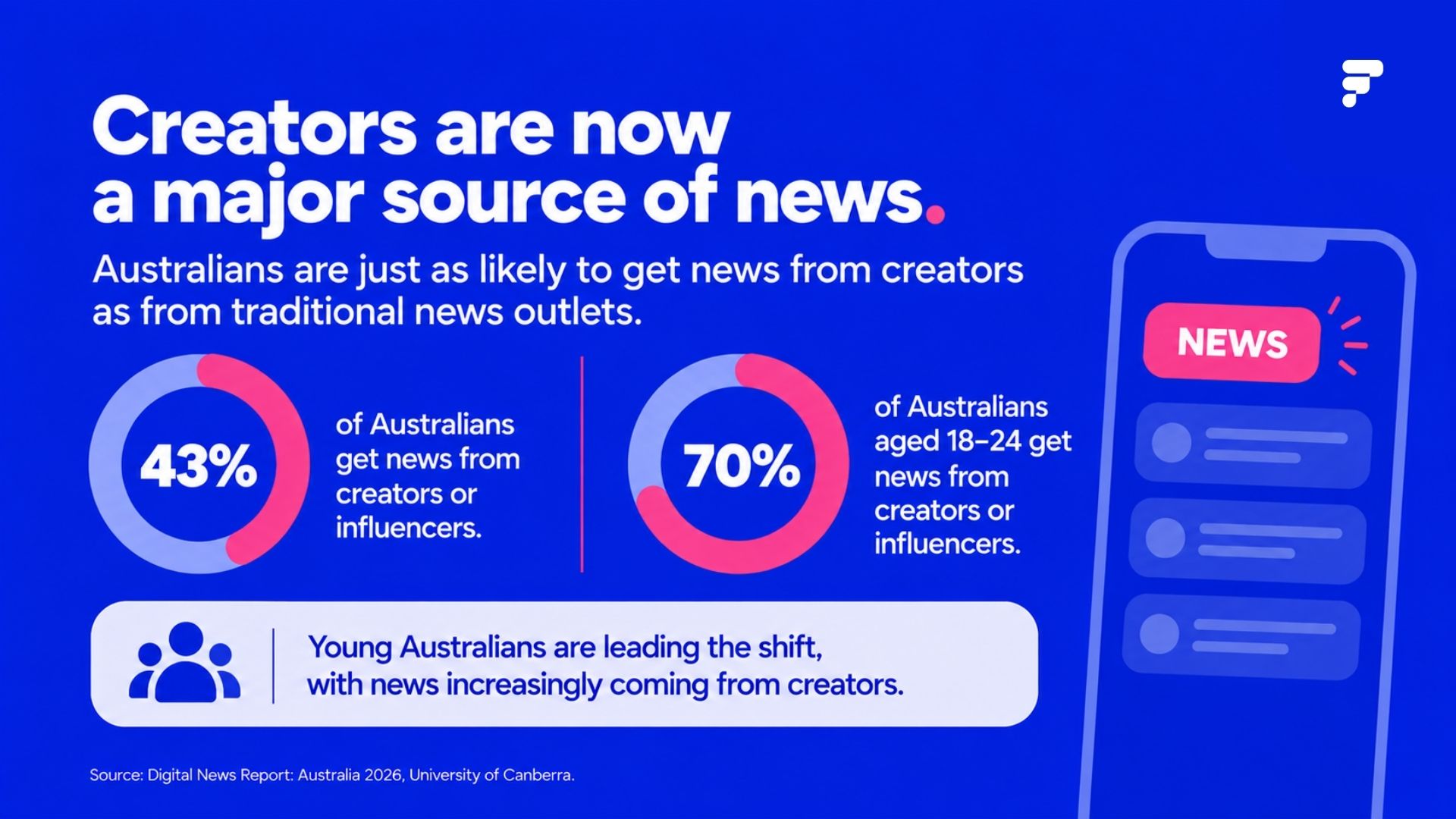
The Digital News Report: Australia 2026 challenged the idea that younger Australians are switching off from news. For the first time, people under 35 reported greater interest in politics than older generations.
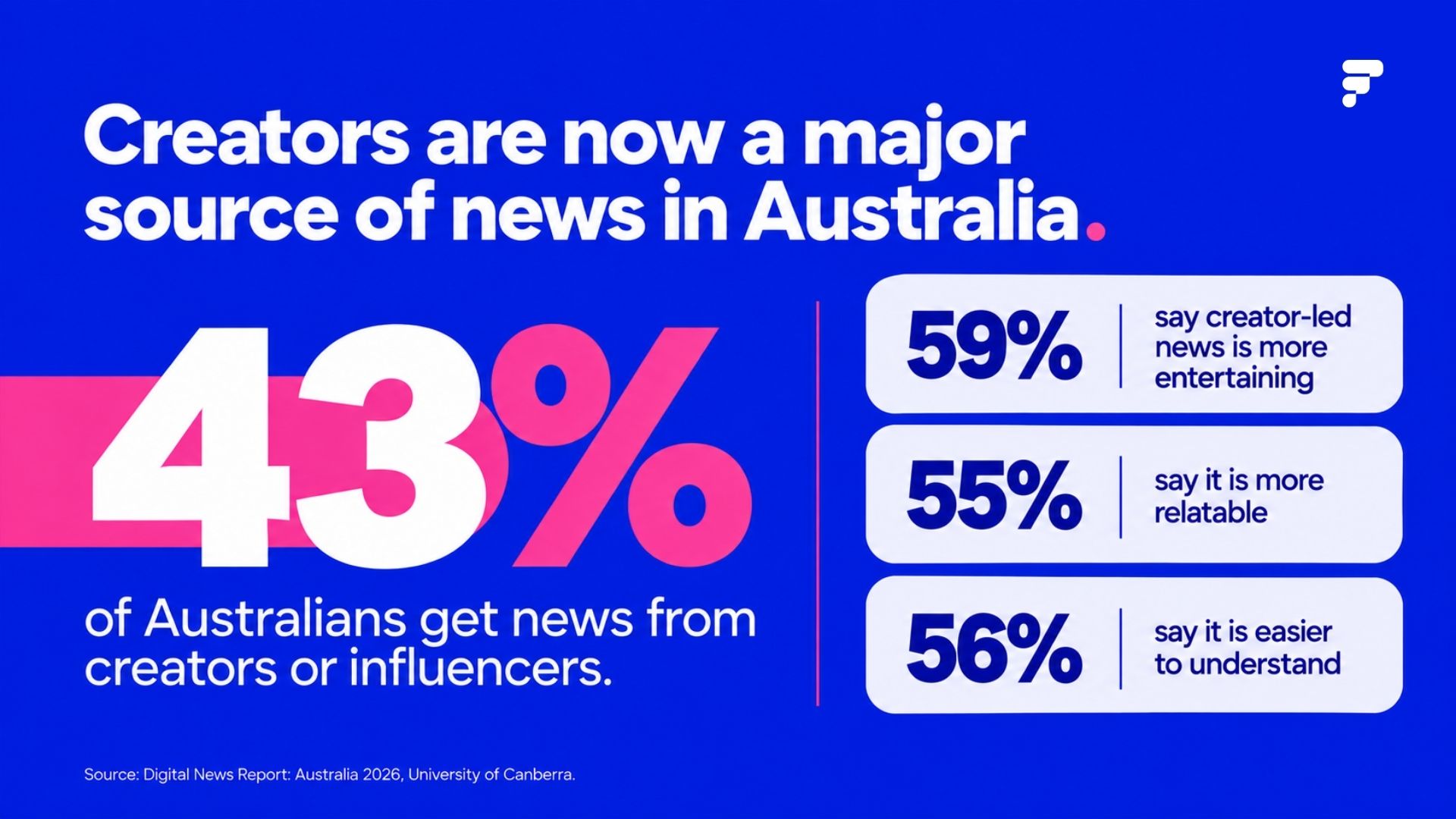
What has changed is where they find it. 43% of Australians now access news from creators or influencers, while more than half of people under 35 believe creators meet their news needs. Among people who consume creator-led news, 56% find it easier to understand than traditional news.
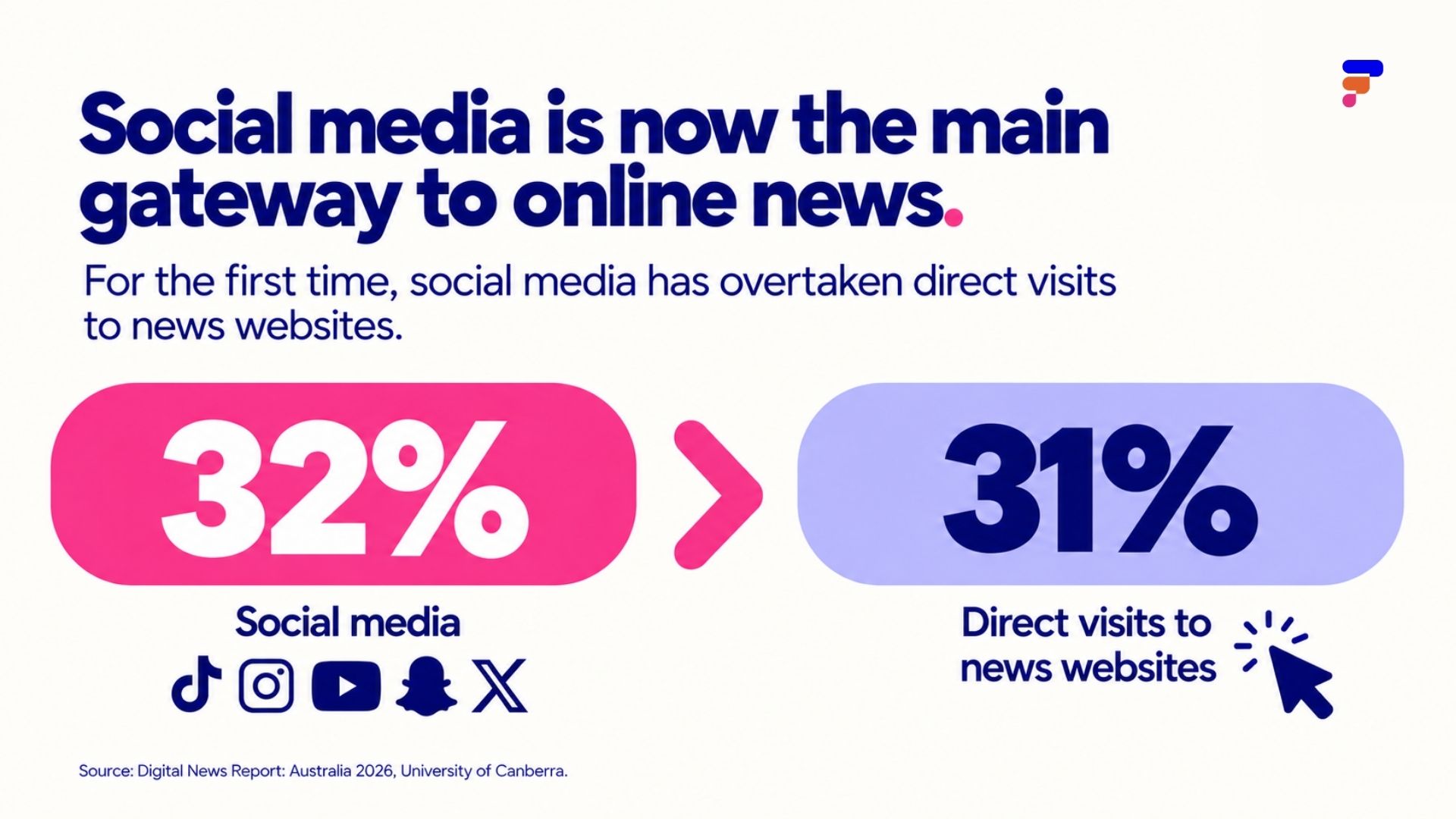
That is the clearest case for political creators as an accessibility story. News now appears beside entertainment and culture in the same feed, where a face-to-camera explanation or podcast clip can introduce an issue without requiring someone to actively seek out a bulletin.
Fabulate had already been tracking this shift. In February 2025, co-founder Nathan Powell wrote about the rise of Australian “newsfluencers” . Following the AEC’s review of Chatfield’s content, he returned to the issue, arguing that media and government were being forced to adapt to a creator economy capable of reaching audiences they could not afford to miss.
Why creator formats work
Serious and informational content was the most common style identified in Democracy in Our Feeds, including posts explaining voting processes, preference flows and policy mechanisms. Political creator content is not only outrage or entertainment.
Emotion still helped those explanations travel. Ferguson and FriendlyJordies performed best with humour or sarcasm, while Chatfield performed best with anger or excitement. These tones give audiences a reason to stop scrolling and understand why an issue matters.
Humour can make a complicated voting system feel less intimidating, while anger can connect a policy to everyday life. The strength of political creators is their ability to combine information with a recognisable human perspective.
The report’s audience research also suggests creators do not necessarily change someone’s political beliefs immediately. Their content is more likely to introduce an unfamiliar issue or encourage further research, which one participant described as “changing the lens”.
Creators can therefore be the first step into a story rather than the only source. Traditional journalism still has an essential role in providing verification and depth, but creators can help audiences understand why a story deserves their attention in the first place.

Accessibility depends on trust
Making politics easier to enter does not remove the need for responsibility. Audiences should be able to understand where information came from, whether a relevant relationship exists and where evidence ends and personal interpretation begins.
That does not mean political creators must become neutral or operate exactly like newsrooms. Their personalities and opinions are central to what makes their work accessible. Clear sourcing, disclosure and corrections can strengthen that relationship without removing the creator’s voice.
For brands, political content should not automatically make a creator unsuitable for commercial work. Their values may be part of why audiences trust them, although marketers should understand that wider public voice before entering a partnership. Responsible influence is becoming an increasingly important part of brand fit.
These questions will become more visible as Victoria approaches its state election on 28 November 2026. The campaign will provide another chance to see which creators make complex policies understandable and how politicians and established media respond.
Political creators are not replacing journalism. They are extending the reach of Australia’s democratic conversation by helping more people find a way into it. The opportunity for the creator economy is to support that accessibility with standards that allow trust to grow alongside influence.

.jpg)
.png)
.png)
.jpg)
.jpg)
.jpg)
.jpg)
.jpg)
.jpg)
.jpg)







.png)
.png)








.png)
.png)
.png)

.png)
.png)
.png)
.png)
.png)
.png)
.png)
.png)
.png)
.png)
.png)

.png)
.png)

.png)
.png)