United States
 Australia
 United Kingdom
 Singapore
 Malaysia
 Thailand
 Indonesia



Why creator campaigns can no longer run on spreadsheets?
The creator economy is growing up, and campaigns can no longer run on spreadsheets, loose approvals and last-minute compliance checks.
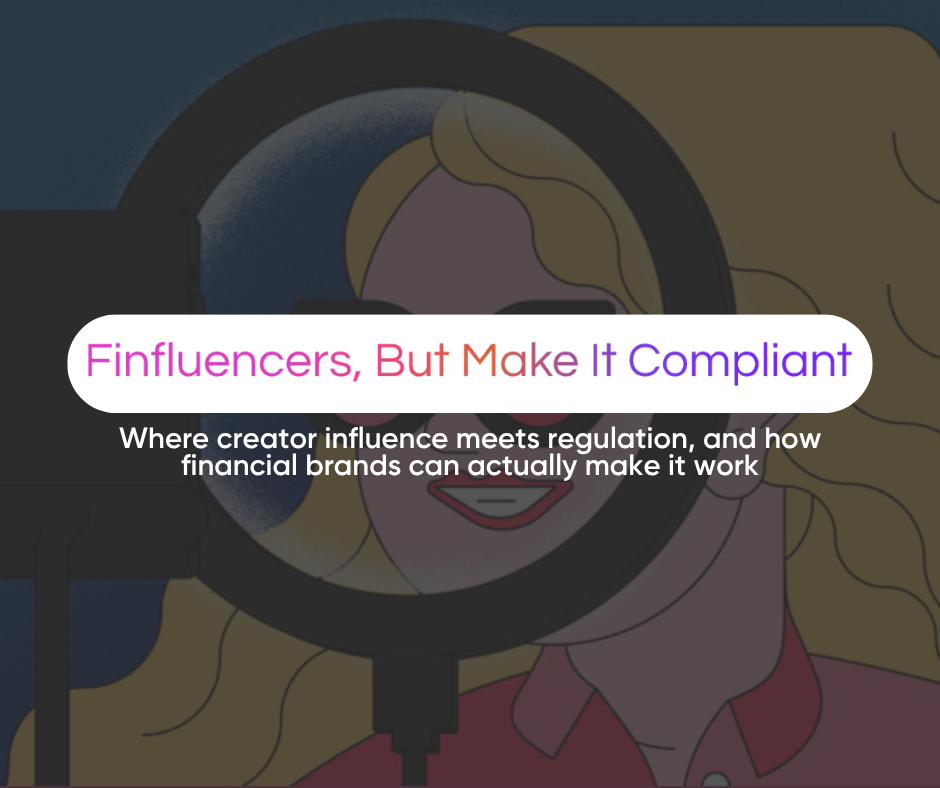
The creator economy is entering a new phase — a regulated one.
For years, creator marketing was largely treated as a fast, flexible and lightly governed channel. Campaigns could be run through spreadsheets, email chains, shared folders and manual approvals.
That worked when the space was smaller, and the rules were looser.
But that era is transforming. Rapidly.
Across markets, governments, platforms and industry bodies are now moving in tandem.

Australia has already introduced reforms around financial influencers and has proposed gambling advertising reforms that would ban influencers from accepting payment to promote gambling online, regardless of how big or small their audience is.
But Australia is not alone.
In the US, creator-led promotions in finance, prediction markets and gambling-adjacent categories are facing greater scrutiny.
In the UK and Europe, regulators have continued to push for clearer ad disclosures and stronger protections around misleading commercial content. Platforms are also continuing to update their own commercial content, gambling, financial services and disclosure policies.
All these movements point to one thing: compliance is no longer something brands can think about at the end of a campaign. It needs to be built into the infrastructure that supports creator marketing from the start.
The question is no longer just: who has the right audience?
It is also: who approved the content? Was the commercial relationship clear? Were platform rules followed? Were category-specific claims checked? Was the content reviewed properly before going live? Was it compliant in every market where it could be seen? And if something is questioned later, is there an audit trail?
That is where spreadsheets start to fall short.
What do brands need now?
Fabulate’s Nathan Powell, co-founder and chief product and strategy officer, points to “three things” that brands need.
1. Right partners
Powell says brands need the right partners.
Due to dynamic growth and regulatory activity, “working with providers who are actively involved with industry bodies, maintain close relationships with platforms and monitor regulatory developments means brands aren't trying to interpret these changes on their own.”
The right partners will pre-build those shifts before they become a problem.
That becomes especially important in international creator campaigns, where one piece of content can travel across borders, platforms and regulatory environments faster than a brand can manually track it.
2. Repeatable processes
Powell says every campaign requires clearly defined approval workflows, disclosure requirements, brand safety reviews and documented audit trails.
“Compliance shouldn't rely on someone remembering to check a box before content goes live,” Powell says, adding that transparency will play an equally important role as creativity.
That matters because creator marketing is no longer just about publishing content quickly. It is about knowing who reviewed it, what claims were checked, what disclosures were required and whether the content meets both brand and market-specific expectations.
3. Right technology infrastructure
This is a heavily invested area for Fabulate. As Powell puts it, “manual compliance simply doesn't scale.”
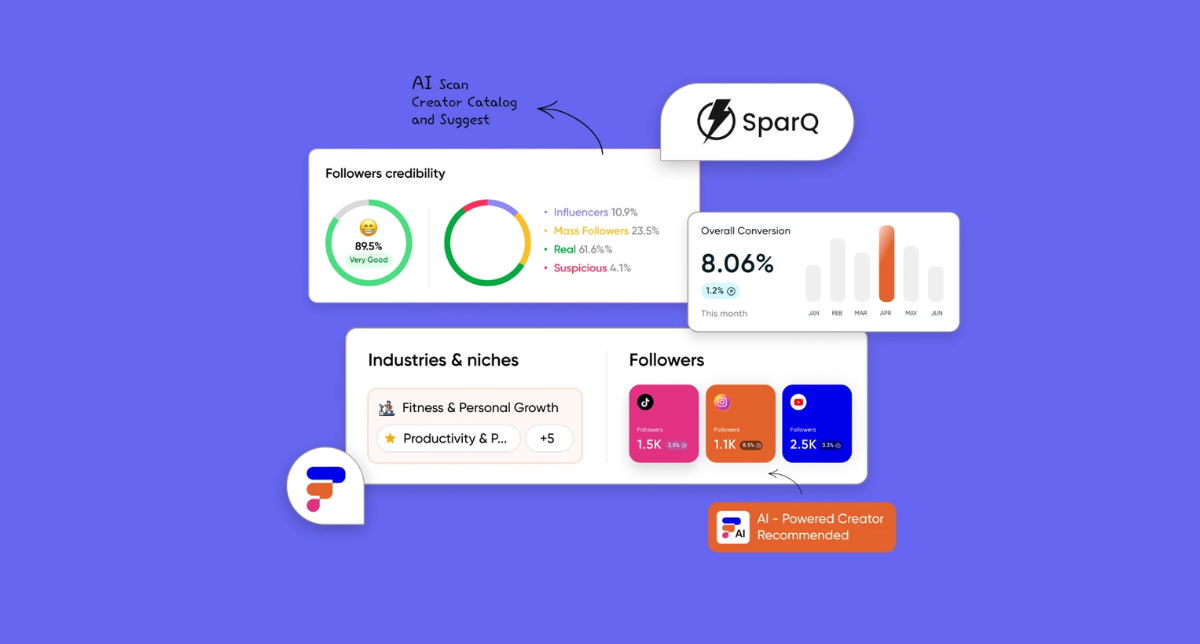
Fabulate’s SparQ (AI-powered compliance platform) is built for this. Rather than applying generic AI moderation, SparQ reviews creator content across multiple layers simultaneously.
It can assess content against:
- Australian legislation and advertising requirements.
- Platform-specific policies across TikTok, Instagram and YouTube.
- Individual client guidelines.
- Category-specific rules, whether that's financial services, alcohol, healthcare or gambling.
- Brand safety requirements unique to each advertiser.
For international campaigns, that layer becomes even more important. Brands may need to consider not only Australian requirements, but also the rules and expectations of other markets where the content may be published, boosted, repurposed or viewed.
The system analyses video, imagery, captions, spoken dialogue and other contextual signals to identify potential compliance issues before content is published.
Most importantly, every client has different risk tolerances, so those rules are configurable at the client, category and country levels, rather than “applying a one-size-fits-all approach,” Powell says.
AI is not replacing legal or compliance teams. Instead, it allows them to review more content with greater consistency and speed, while keeping humans in control of the final call.
This becomes valuable in highly regulated industries. It reduces risk, shortens approval timelines and gives brands more confidence that they are operating within legal requirements, platform policy and category-specific expectations.
As creator marketing takes over larger chunks of industry budgets and regulatory chokeholds tighten, infrastructure becomes just as important as discovery, measurement or reporting.
Who will win in this shift?

The creators who actively build knowledge across multiple categories, understand disclosure expectations and develop long-term partnerships with brands will have a major advantage over those who rely heavily on a single industry, particularly one facing regulatory uncertainty.
The same applies to brands.
The brands that win will not be the ones running the most creator campaigns the fastest. They will be the ones with the systems, partners and technology to run them responsibly across markets.

.jpg)
.png)
.png)
.jpg)








.jpg)
.jpg)
.jpg)
.jpg)

.jpg)


.jpg)










.png)
.png)
















.png)
.png)
.png)

.png)
.png)
.png)
.png)
.png)

.png)
.png)
.png)
.png)
.png)
.png)

.png)
.png)


.png)
.png)