United States
 Australia
 United Kingdom
 Singapore
 Malaysia
 Thailand
 Indonesia


.png)
AI Creators vs Human Creators: How They Are Beginning to Coexist
Fully synthetic personalities are becoming more capable, but the bigger shift is happening between the extremes. Human creators are adding AI to their workflows, brands are experimenting with licensed digital likenesses and creative teams are using synthetic production to take creator ideas further.
AI Creators vs Human Creators: How They Are Beginning to Coexist
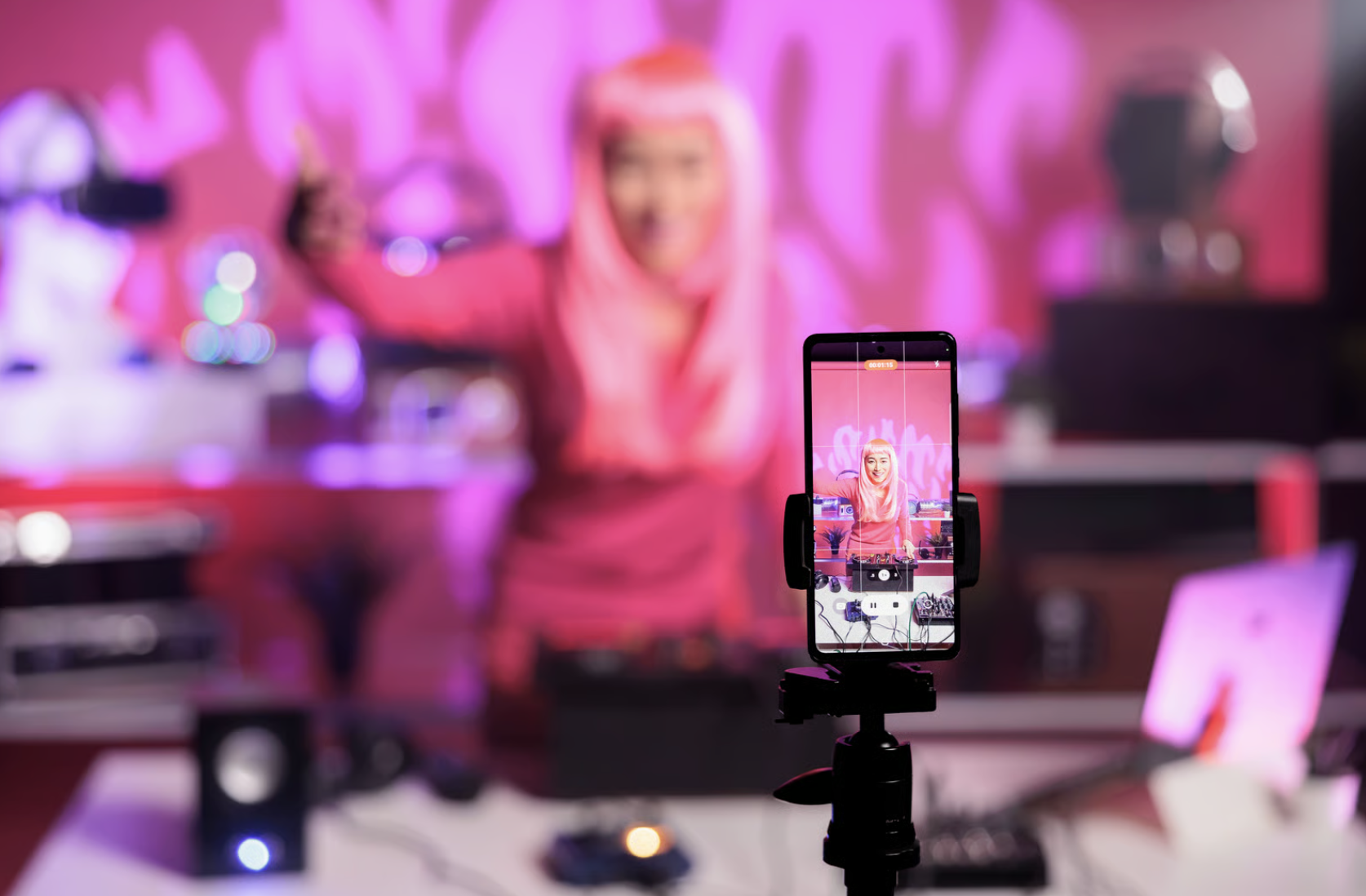
AI can produce realistic personalities and generate creator content at scale. But the creator economy is not dividing neatly into artificial and human camps. The more interesting story is how the two are beginning to coexist, and in some cases work together.
AI creators have long been a discussion point in the creator economy. To some, they are an extension of the existing creator marketing world: a scalable alternative to human talent that can remain always available, tightly controlled and capable of producing content at volume.
To others, they represent a potential threat to human creators and the relationships on which creator marketing has been built.
But while the technology has continued to advance quickly, audience attitudes have not moved in the same direction.
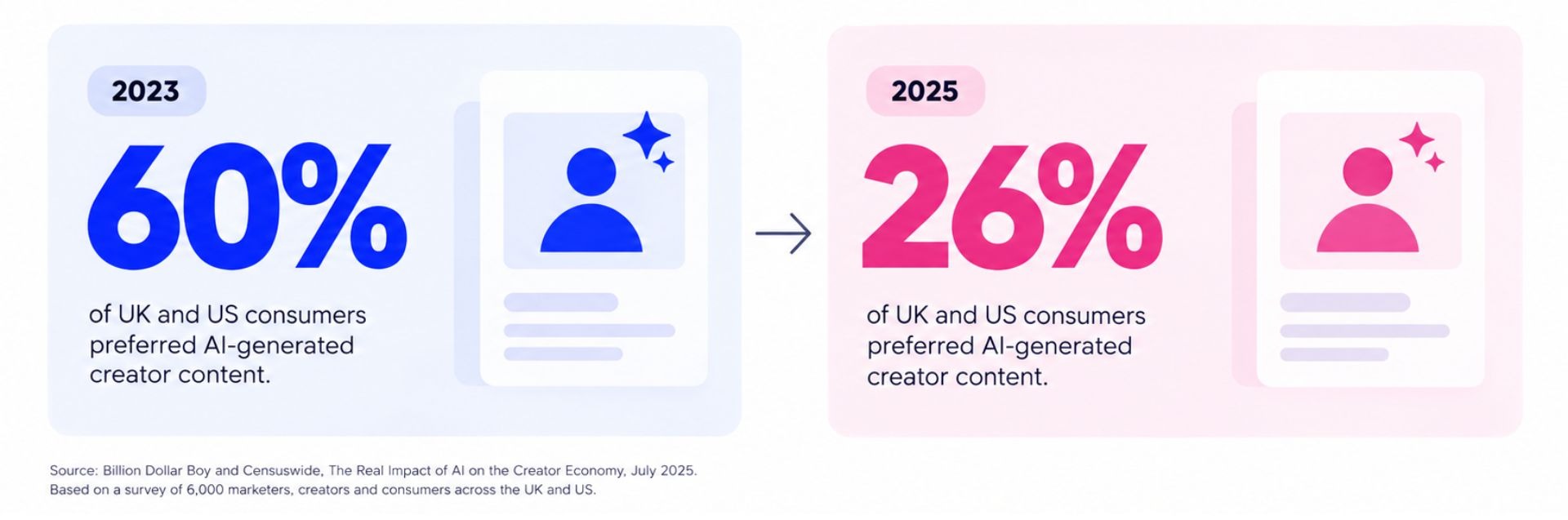
As Fabulate previously explored in its analysis of AI influencers, Billion Dollar Boy found that consumer preference for AI-generated creator content fell from 60% in 2023 to 26% in its 2025 research. At the same time, marketers were increasing their investment in the technology. The research surveyed 6,000 marketers, creators and consumers across the UK and US.
That gap gets to the heart of where AI creators currently sit. Brands can produce more synthetic content than ever. But producing content and influencing an audience are not necessarily the same thing.
Fully synthetic personalities are becoming more capable, but the faster change is happening between the extremes. Human creators are adding AI to their workflows, brands are experimenting with licensed digital likenesses and creative teams are using synthetic production to take existing creator ideas further.
What do we mean by an AI creator?
The term “AI creator” can now describe several very different models.
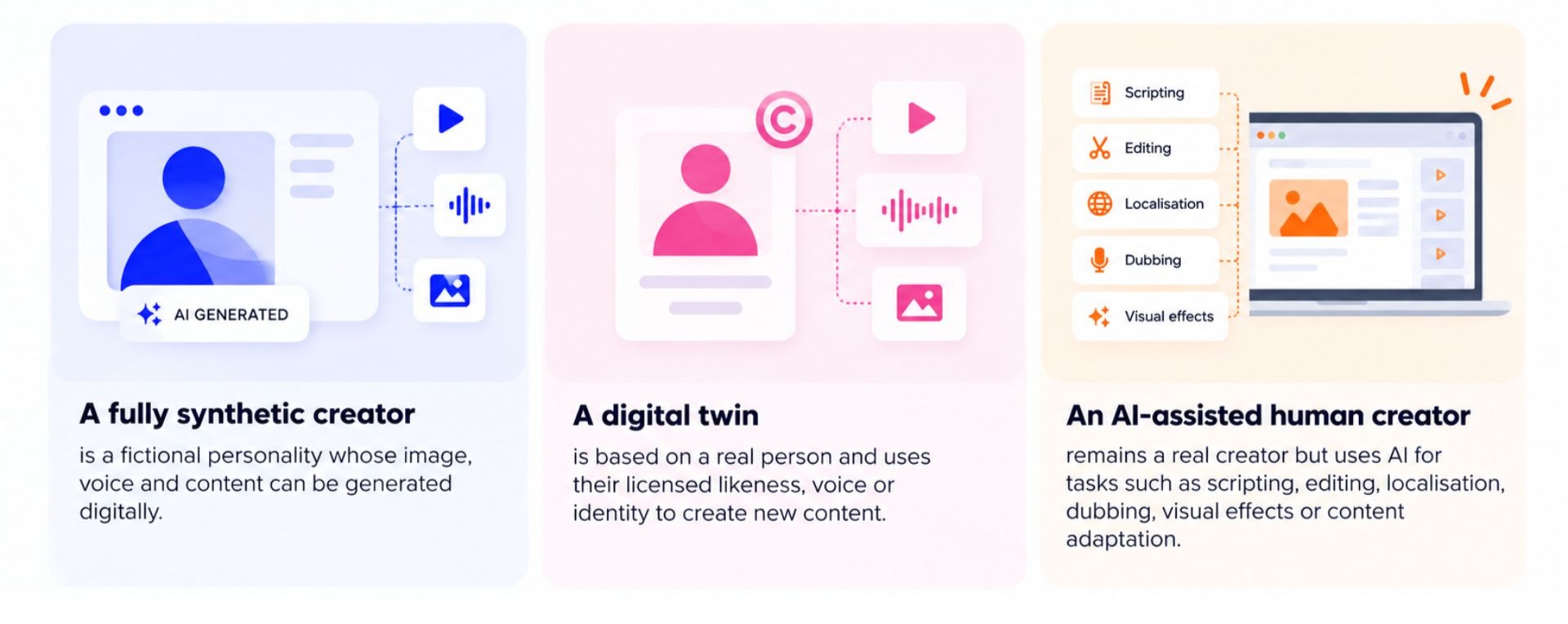
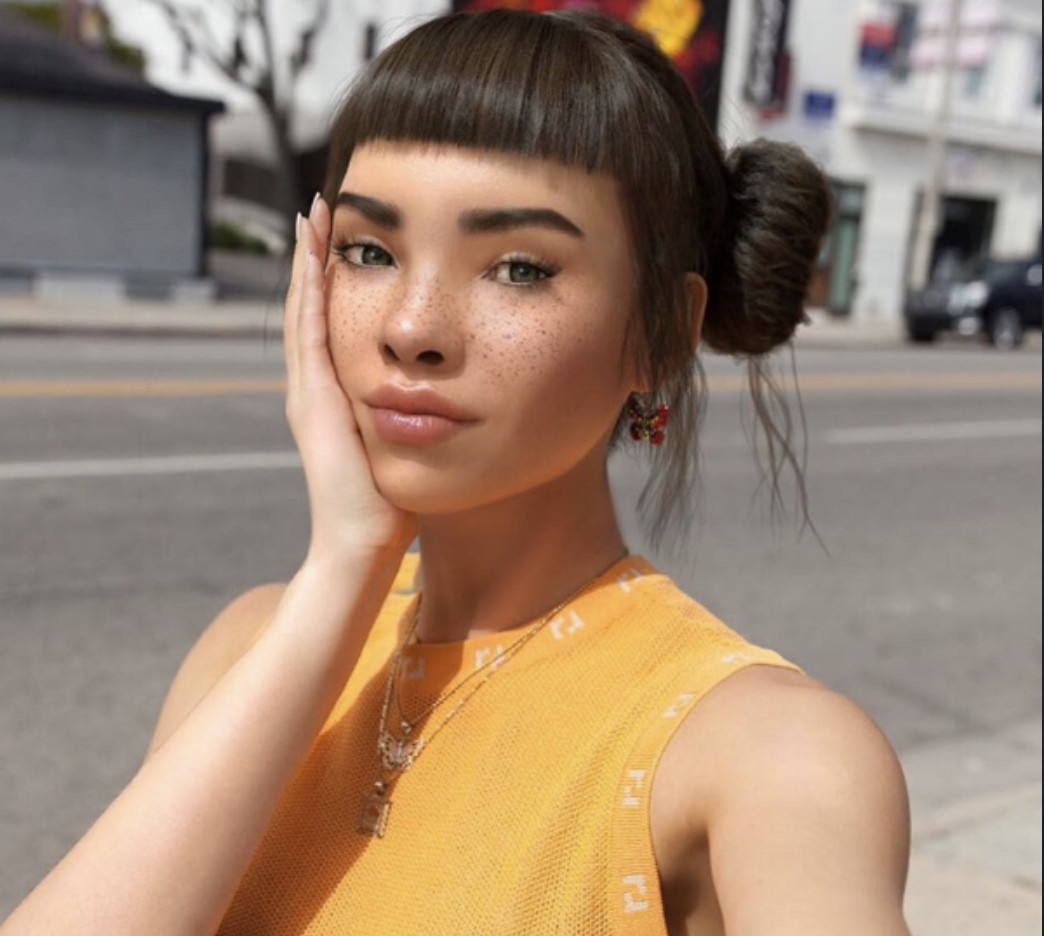
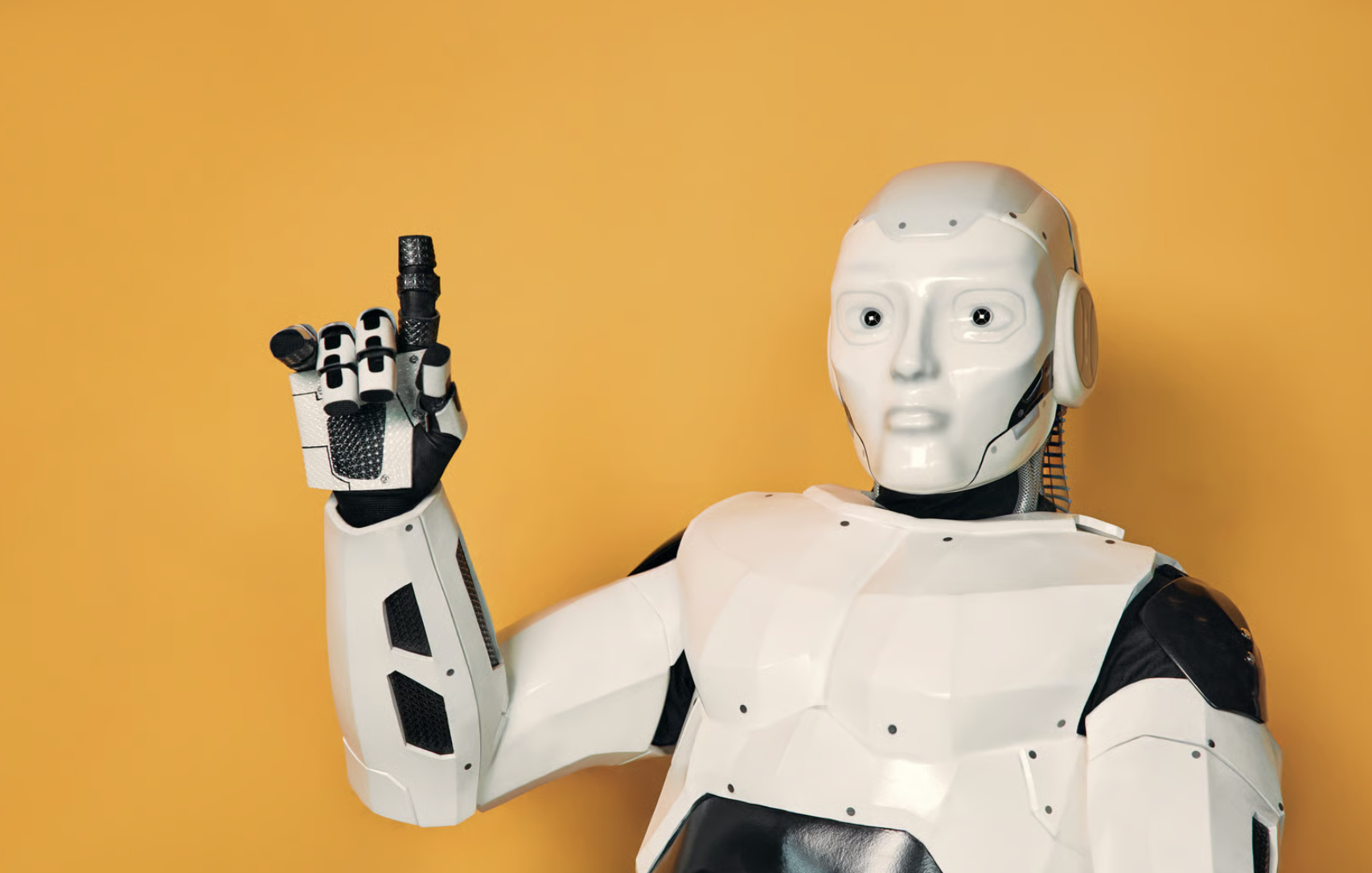
A fully synthetic creator is a fictional personality whose image, voice and content can be generated digitally.
A digital twin is based on a real person and uses their licensed likeness, voice or identity to create new content.
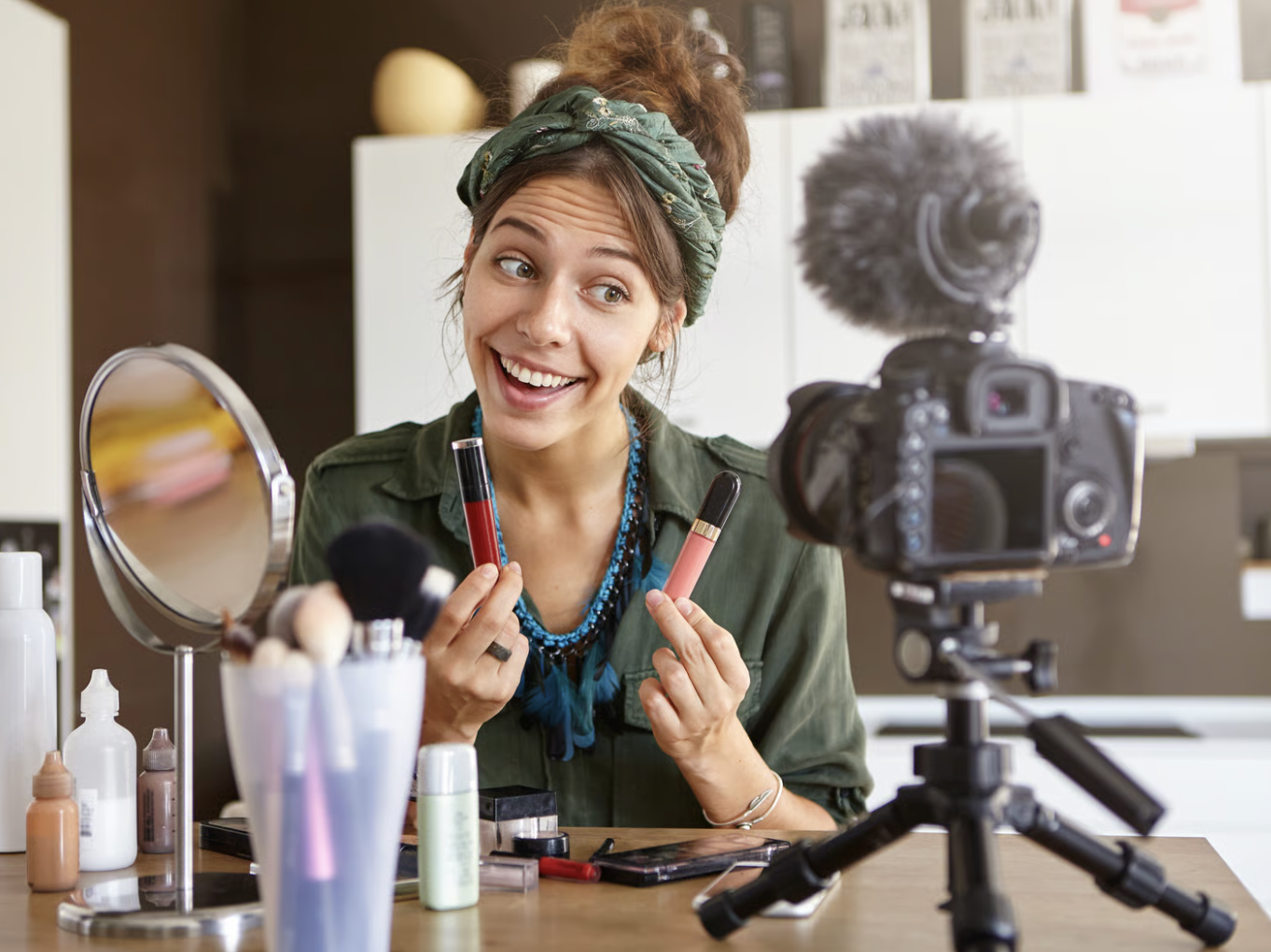
An AI-assisted human creator remains a real creator but uses AI for tasks such as scripting, editing, localisation, dubbing, visual effects or content adaptation.
Those distinctions matter because they solve different problems. A fictional character can become brand-controlled intellectual property. A digital twin requires clear consent and appropriate likeness and voice rights. A human creator using AI still brings their audience, reputation, taste and lived experience to the work.
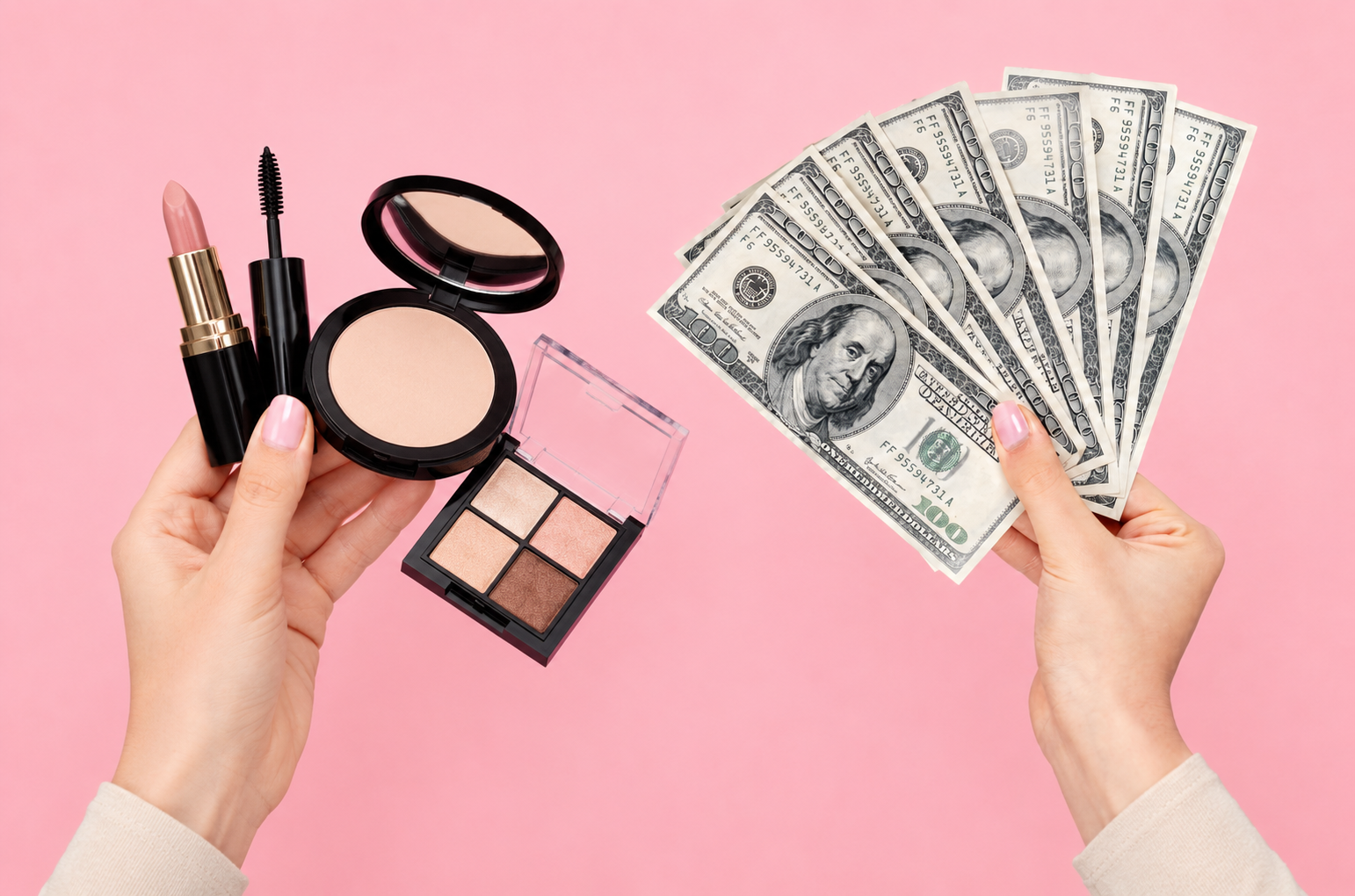
The useful question for marketers is therefore not simply whether something can be generated using AI. It is: does the brand need content production, or does it need influence?
Producing content is not the same as creating influence
The appeal of synthetic creators is easy to understand. A virtual personality can appear in multiple locations, speak different languages and produce creative variations without travel or additional shoots. For entertainment, gaming, fashion or a brand-owned fictional world, that flexibility creates genuine possibilities.
The harder question is whether production flexibility automatically translates into influence.
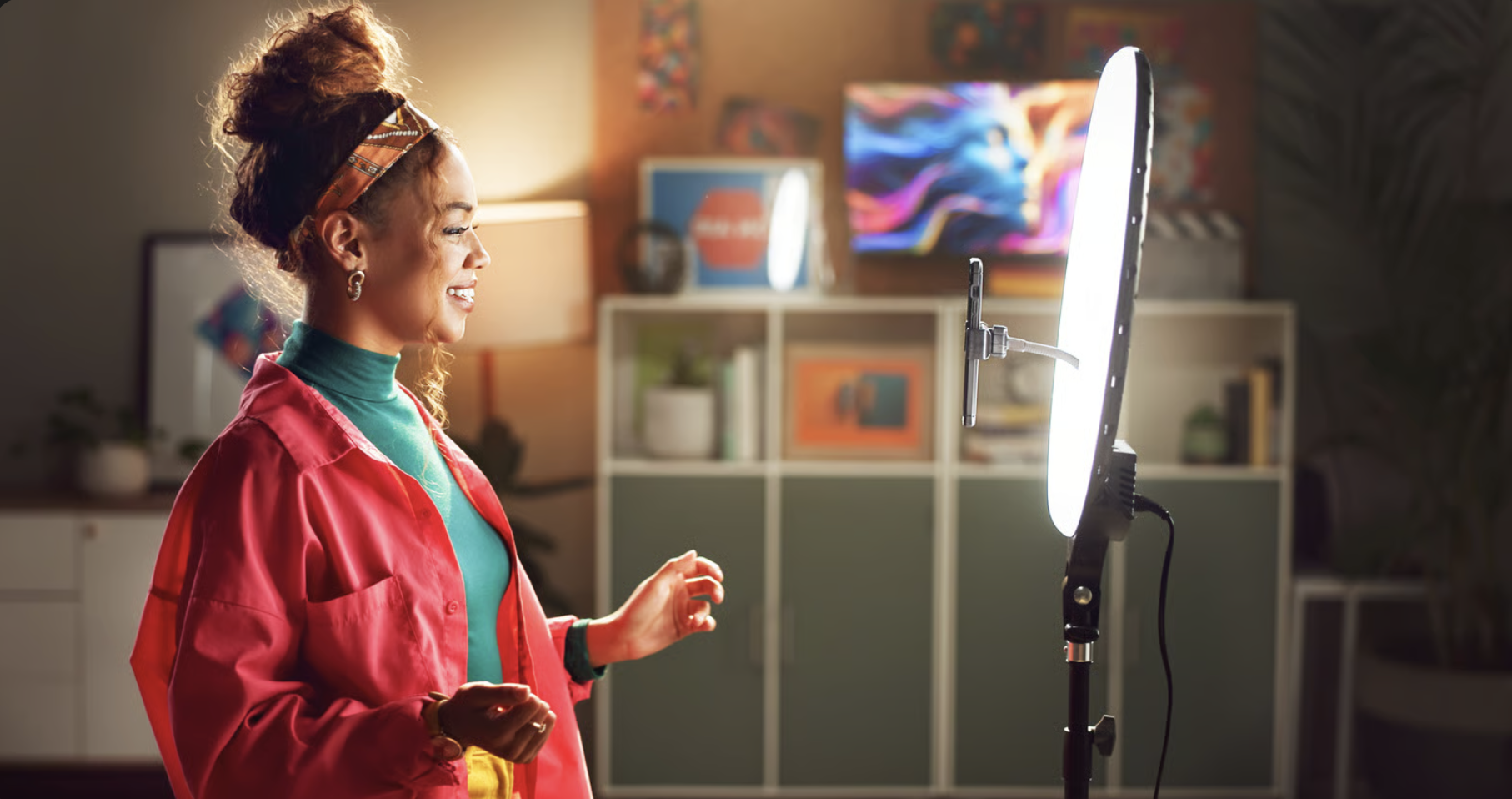
Human creators usually build their audiences through hundreds or thousands of interactions over time. Audiences become familiar with their humour, preferences, expertise and opinions. That history can matter when someone recommends a product or service.
A synthetic personality can communicate product information. A human creator can also describe what happened when they actually used the product, visited the destination or experienced the problem.
Billion Dollar Boy’s 2025 UK and US research suggests audiences are becoming more selective about that difference. Only 26% of consumers surveyed preferred AI-generated creator content, compared with 60% in the company’s 2023 research. The same study found 57% of consumers said digital twins erode trust.
That does not mean audiences will reject every virtual personality. It does suggest that making a character look more realistic does not automatically make the relationship feel more credible.
Where AI and human creators can work together
The more immediate opportunity may not be replacing a creator at all. It may be using AI to make human creative travel further.
In December 2025, Reuters reported that Zara was using AI to create additional fashion imagery featuring real models in different outfits. Zara owner Inditex said the technology was being used to complement its existing processes and that models continued to be involved and compensated.
The same model has obvious applications in creator marketing. A creator could develop and film the original idea, while AI supports localisation, dubbing, format changes or additional creative versions. One piece of creator-led work could potentially move across several markets or placements without requiring a completely new production each time.
As Fabulate has explored in its comparison of CGC, AIGC and UGC, these formats are increasingly different tools for different marketing jobs rather than direct substitutes for one another.
Fabulate’s integration with TikTok Symphony gave creators and brands access to tools including AI dubbing, video generation and digital avatars. It reflects a broader Fabulate principle: technology should remove repetitive work and expand creative possibilities while people remain responsible for the decisions that shape the campaign.
That is where the hybrid model becomes interesting. AI can extend the asset. The creator still provides the original perspective.
More control brings new responsibilities
As these options expand, so do the questions brands need to answer. Before using a synthetic character, digital twin or AI-modified creator asset, marketers need to understand who owns the underlying content, whether the relevant face and voice rights have been licensed, what derivative content can be created and how long those permissions last.
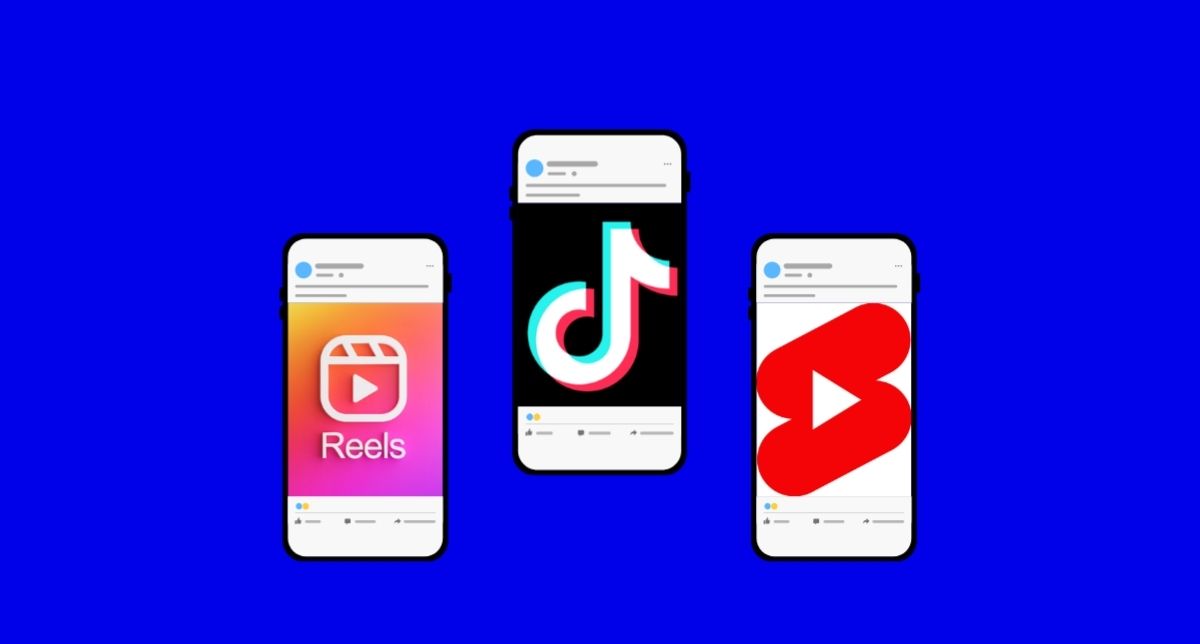
Disclosure matters too. TikTok requires realistic AI-generated images, audio and video to be labelled and can also automatically label some AI-generated material.
YouTube requires disclosure when realistic content has been meaningfully generated or altered using AI, including content that makes a person appear to do something they did not do or creates realistic scenes that did not occur.
Meta also uses “AI info” labels based on signals including industry-standard AI indicators and user disclosure.
Importantly, an AI label and an advertising disclosure solve two different problems. The AI label explains how the content was made. Advertising disclosure explains why the content is being shown and whether a commercial relationship exists.
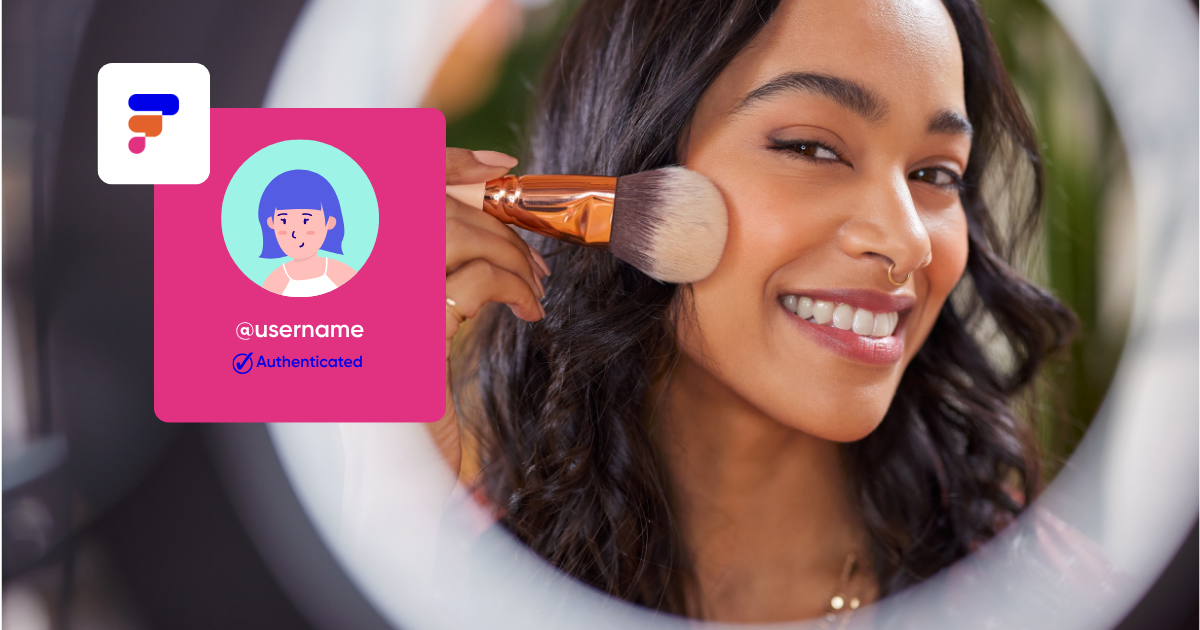
If AI-generated or AI-assisted content is sponsored, the commercial relationship still needs to be clear. As Fabulate has previously argued in its creator disclosure guide, transparency is part of maintaining audience trust, not simply a compliance step.
The practical answer: human-led, AI-extended
So where does that leave brands choosing between human and AI creators? Start with the job the content needs to do.
If the objective is scalable adaptation, fictional storytelling, experimentation or building a brand-owned virtual character, a synthetic creator may be useful.
If the message relies on first-hand experience, personal opinion, expertise or an established relationship with a community, a human creator brings something fundamentally different: an actual history behind the recommendation.
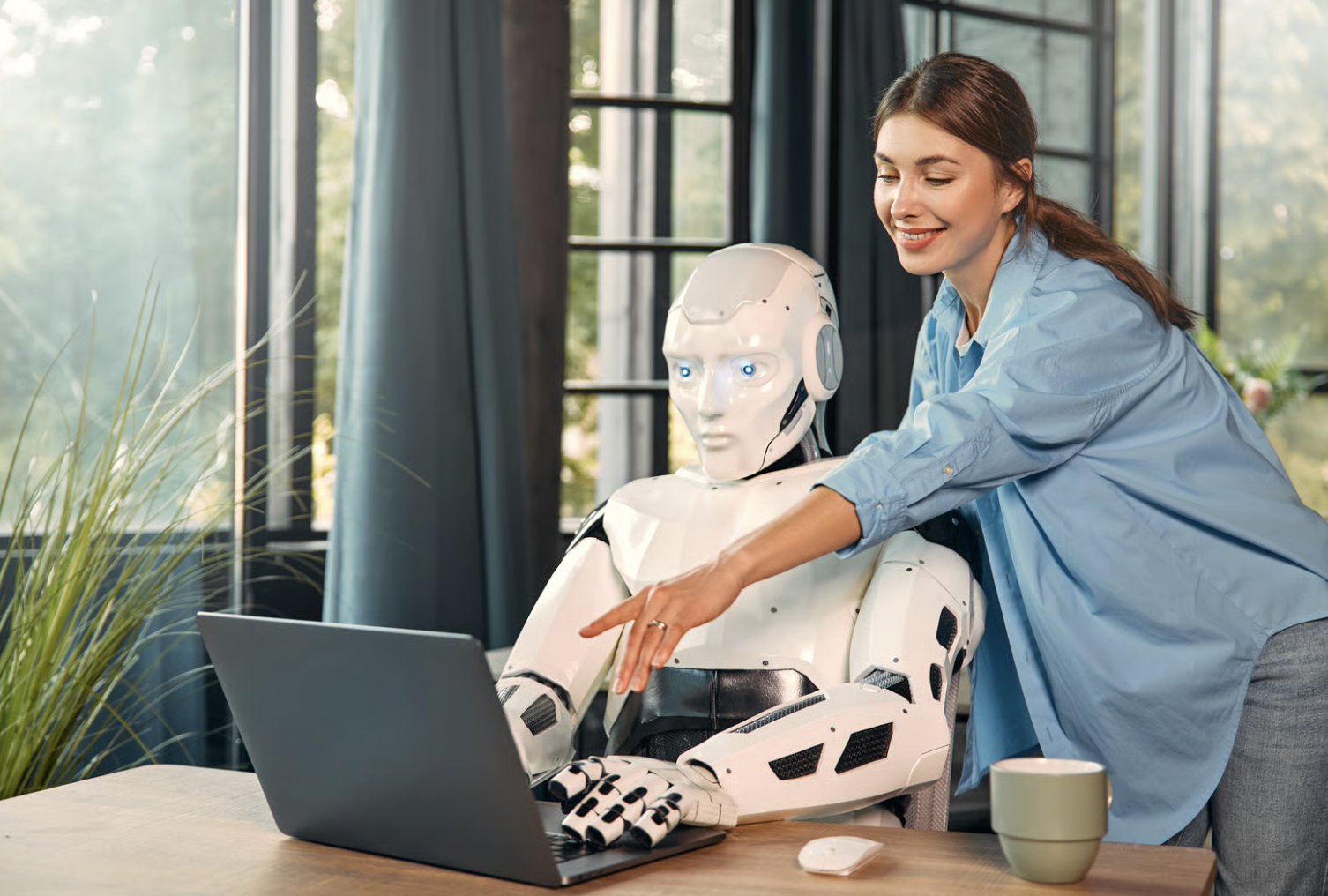
And increasingly, brands will not need to choose only one. Human creators can remain at the centre of the idea and audience relationship, while AI helps that work move across languages, markets, formats and channels.
That is the more useful way to understand the current state of AI creators in 2026. AI creators are becoming a legitimate creative format. AI tools are becoming part of everyday production. Neither development means human creators have become redundant.
AI can help brands and creators make more. Human creators still provide the perspective, experience and relationships that give people a reason to care.
.png)
.jpg)

.jpg)
.jpg)
.jpg)
.jpg)
.jpg)
.jpg)





.png)
.png)





.png)
.png)
.png)
.png)
.png)
.png)
.png)
.png)
.png)
.png)
.png)
.png)
.png)
.png)
.png)
.png)

.png)
.png)