United States
 Australia
 United Kingdom
 Singapore
 Malaysia
 Thailand
 Indonesia


.jpg)
61% of Australians discover brands through creators. The bigger story is trust.
New IAB Australia research shows creators are firmly embedded in how Australians discover and evaluate brands. But reach is only part of the story. Trust, relevance, expertise and increasingly AI discovery are reshaping what effective creator marketing looks like.
New IAB Creator Connect Report 2026 research gives marketers one of the clearest pictures yet of how creator marketing is influencing the Australian shopping journey with a survey of 1,079 Australian online shoppers aged 18–70. 61% of Australian online shoppers now often or sometimes discover brands through creators, rising to 85% among Australians under 40.
61% of Australian online shoppers now often or sometimes discover brands through creators. For Australians under 40, that number rises to 85%.
That alone is a significant creator marketing story. But it probably is not the most interesting finding in IAB Australia’s new The Creator Effect research.
The bigger shift is what happens after someone sees the content. What makes them believe it? What gets a product into consideration? What makes someone act? And what happens when the next place they encounter that creator’s opinion is not TikTok, Instagram or YouTube, but an AI generated shopping recommendation?
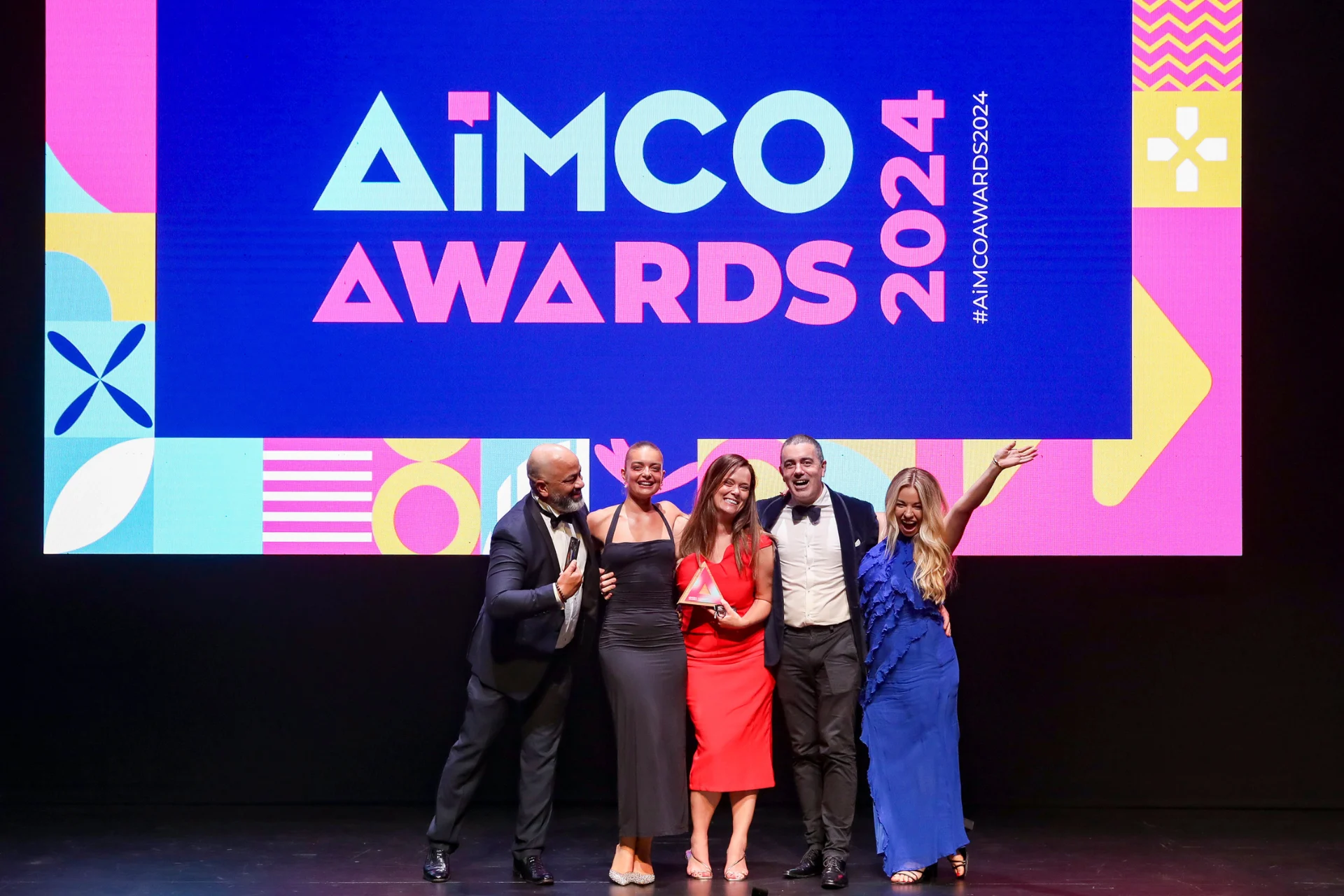
Those questions were at the centre of Creator Connect, part of the first IAB Global Creator Week, where Fabulate co founder Nathan Powell joined a panel with leaders from WPP Media and YouTube, moderated by AiMCO, to unpack the research and where the market goes next.
“The significance of this research isn’t simply that more Australians are discovering brands through creators. It’s that creators are becoming part of how people form opinions, build trust and ultimately make decisions. That changes the role creator marketing needs to play for brands. It’s no longer just about reaching an audience, it’s about earning a place in the decision-making process. “
- Nathan Powell, Co Founder and Chief Product & Strategy Officer, Fabulate .
How creators influence the Australian shopping journey
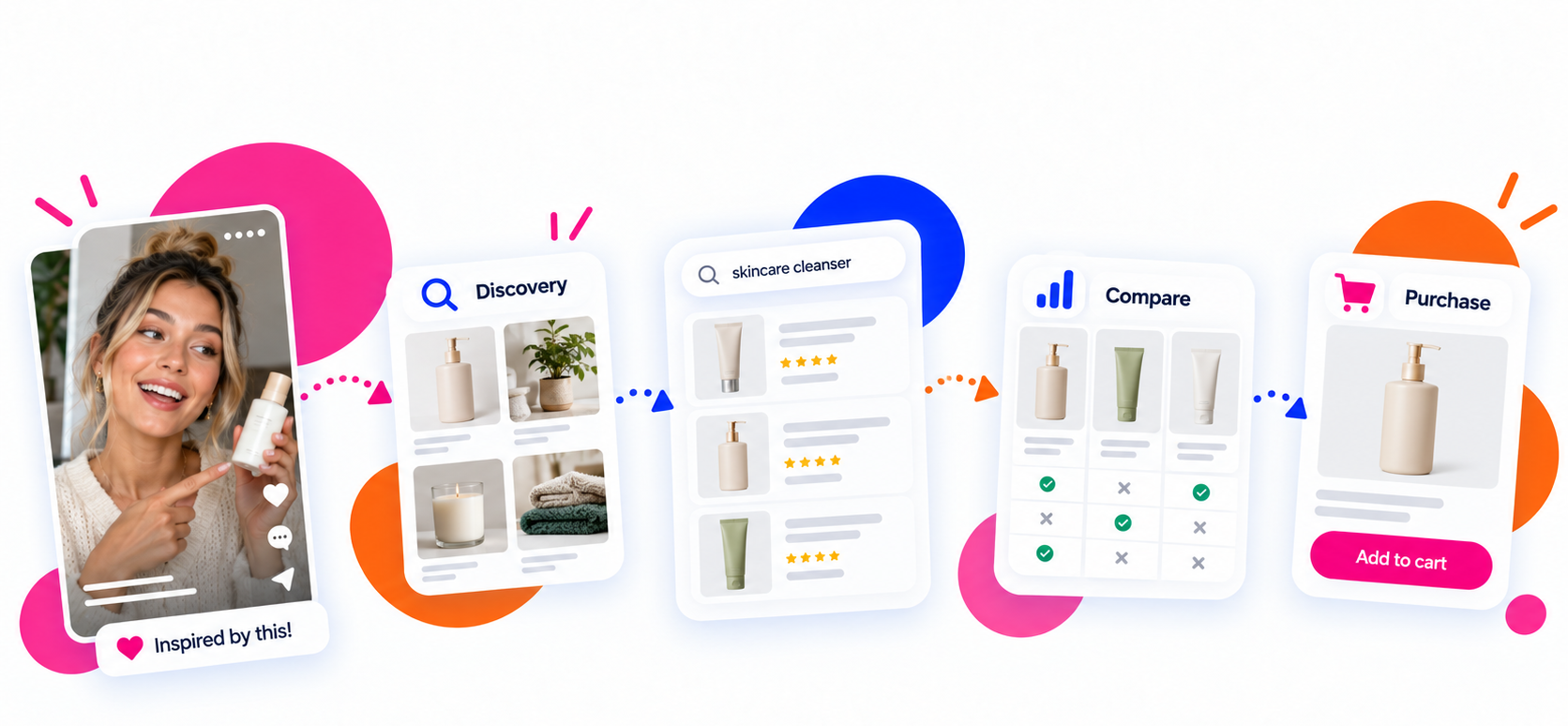
Search and online stores still dominate shopping behaviour. IAB found 92% of Australians use search or an online store somewhere in the discovery, research or comparison process.
But creator content now sits alongside those established behaviours. 48% of Australian online shoppers use creator or influencer content somewhere across discovery, research or comparison. Among 18 to 39 year olds, that rises to 72%.
And creator influence is strongest near the beginning of the journey. That matters because discovery is where brands enter the consideration set. By the time someone searches a product name, visits a retailer or starts comparing prices, a creator may already have influenced what they are looking for.
That makes creator marketing difficult to understand through last click attribution alone. The creator may not have closed the sale. They may have created the demand that made the search happen.
How Australians under 40 discover brands through creators
The generational split is hard to ignore. Among Australians aged 18 to 29, 84% often or sometimes discover brands through creators. Among 30 to 39 year olds, it is 85%.
That falls to 63% among people aged 40 to 49, 38% among 50 to 59 year olds and 21% among 60 to 70 year olds.
So creator marketing does not play the same role for every audience. For younger consumers, creators are increasingly part of the normal information environment around a purchase.
The planning question is therefore changing. It is less “should creators be part of this campaign?” and more “what role are creators already playing in this category, whether the brand participates or not?”
What makes a creator recommendation trustworthy?
This may be the most commercially useful part of the report.
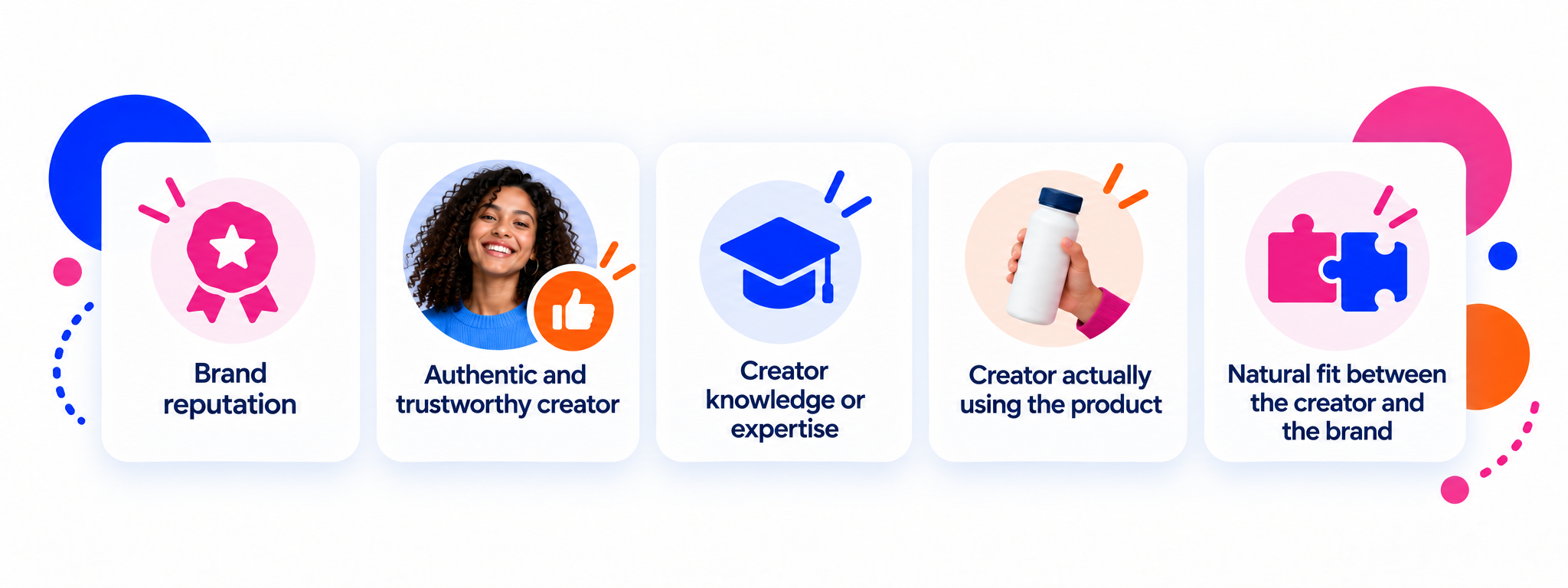
When Australians were asked what matters when deciding whether to act on a creator recommendation, entertaining or engaging content came last among the factors tested at 74%.
• 86% said the reputation of the brand being promoted matters.
• 84% said the creator being authentic and trustworthy matters.
• 84% valued creator knowledge or expertise.
• 81% valued seeing the creator actually use the product.
• 81% cared about the brand fitting naturally with what that creator normally discusses.
Entertainment still matters. It just is not enough.
That is an important distinction for enterprise teams selecting creators. The biggest audience or the loudest spike in views is not automatically the strongest commercial choice. Fit, credibility and context are part of the media value.
It is also good news for creators. Commercial value is not only a follower count. Expertise, consistency and genuine category relevance can become assets in their own right.
“Follower count tells you how many people a creator might reach. It doesn’t tell you why somebody would listen to them. The more valuable question for brands is where that creator has genuine authority. Expertise, credibility, category relevance and the relationship they have built with their audience are increasingly important parts of understanding their commercial value.“
- Nathan Powell, Co Founder and Chief Product & Strategy Officer, Fabulate.
How brand reputation affects creator trust
There is another side to the trust equation. The reputation of the brand being promoted was the strongest factor tested when Australians considered acting on a creator recommendation.
Creator marketing is often described as brands borrowing trust from creators. The data suggests the relationship runs both ways. A creator can bring credibility to a brand, but the brand can also add to or subtract from the credibility of the recommendation.
That becomes particularly visible around paid partnerships. 44% of Australian shoppers say they are less likely to act once they know a creator post is paid. Among Australians aged 50 to 70, that rises to 54%.
The answer is not to make sponsorship less visible. It is to make the partnership more believable. Good disclosure and good creator marketing are not opposing goals. A transparent commercial relationship still needs genuine product use, sensible creator fit and a reason for the audience to care.
Why creator expertise can matter more than follower count
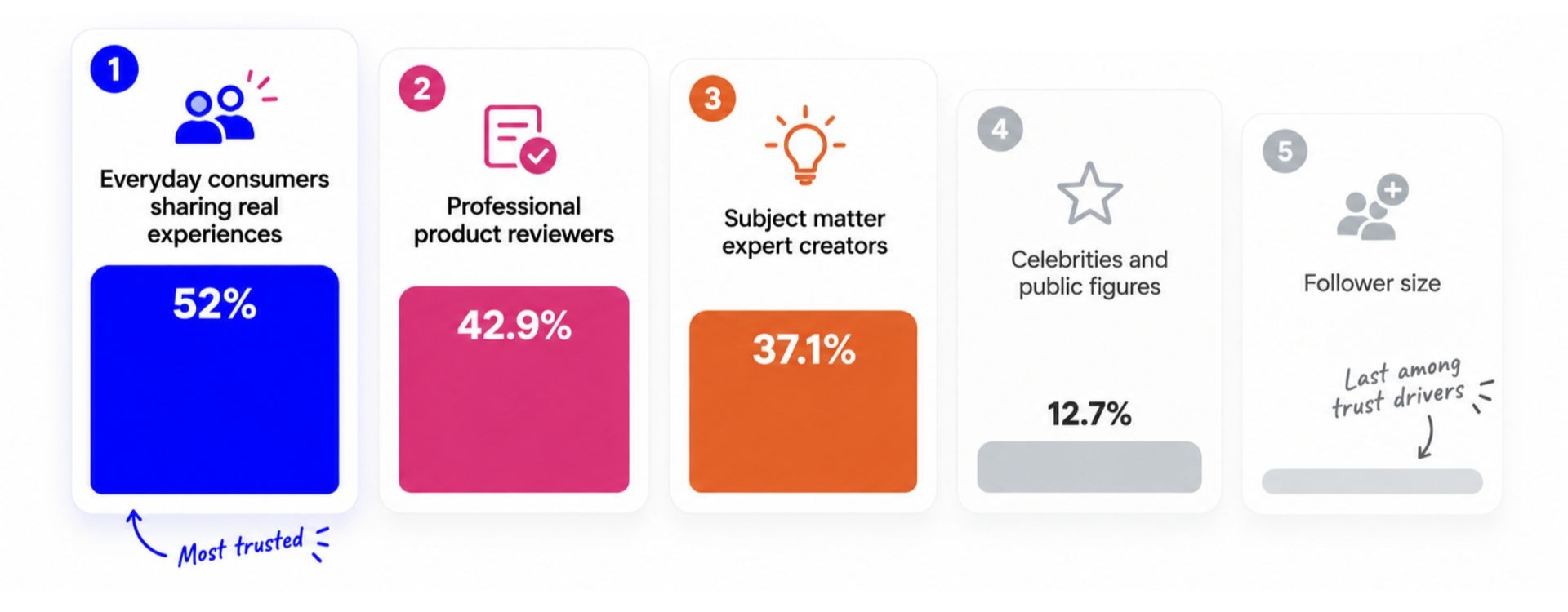
The global part of the research reinforces the same point.
When consumers were asked which creator perspectives AI should prioritise when making recommendations, everyday consumers sharing real experiences ranked first at 52%. Professional product reviewers followed at 42.9%, then subject matter expert creators at 37.1%. Celebrities and public figures ranked last at 12.7%.
Follower size also ranked last among the trust drivers tested.
That does not make reach irrelevant. It means reach without a reason to believe has limits. As creator marketing matures, brands need richer ways of understanding who has authority in a category, who has built credibility over time and where a brand genuinely belongs in a creator’s world.
How AI is changing creator marketing and product discovery
This is where the research becomes especially interesting.
Creator content is beginning to influence discovery beyond social platforms themselves. Among consumers across the five markets studied who had recently used AI for shopping research, 55% preferred AI recommendations that included creator reviews.
70% also said it was very important for AI to clearly explain the sources behind its recommendations.
Credible creator content can increase confidence too. Across the study, 64% said an AI recommendation grounded in credible creator perspectives would increase their confidence, while 36% had discovered a new creator through an AI generated result whom they now follow. In Australia specifically, 23% had discovered a creator this way.
That creates a new way to think about the lifespan of creator content. A useful product review is not necessarily finished when the social post stops receiving views. A detailed demonstration, comparison, tutorial or explanation can become part of the wider information environment around a product.
For brands, that raises the importance of accurate claims, clear product information and genuinely useful creator content. For creators, it makes expertise and specificity even more valuable. The content people trust may increasingly also be the content machines can understand and retrieve.
“Creator content is starting to have a life well beyond the feed. A useful review, demonstration or recommendation can increasingly become part of what search engines and AI systems use to answer questions about a product. That means brands should be thinking not only about how creator content performs when it is published, but whether it is credible and useful enough to keep influencing decisions long after.”
- Nathan Powell, Co Founder and Chief Product & Strategy Officer, Fabulate.
Which categories are most influenced by AI creator recommendations?
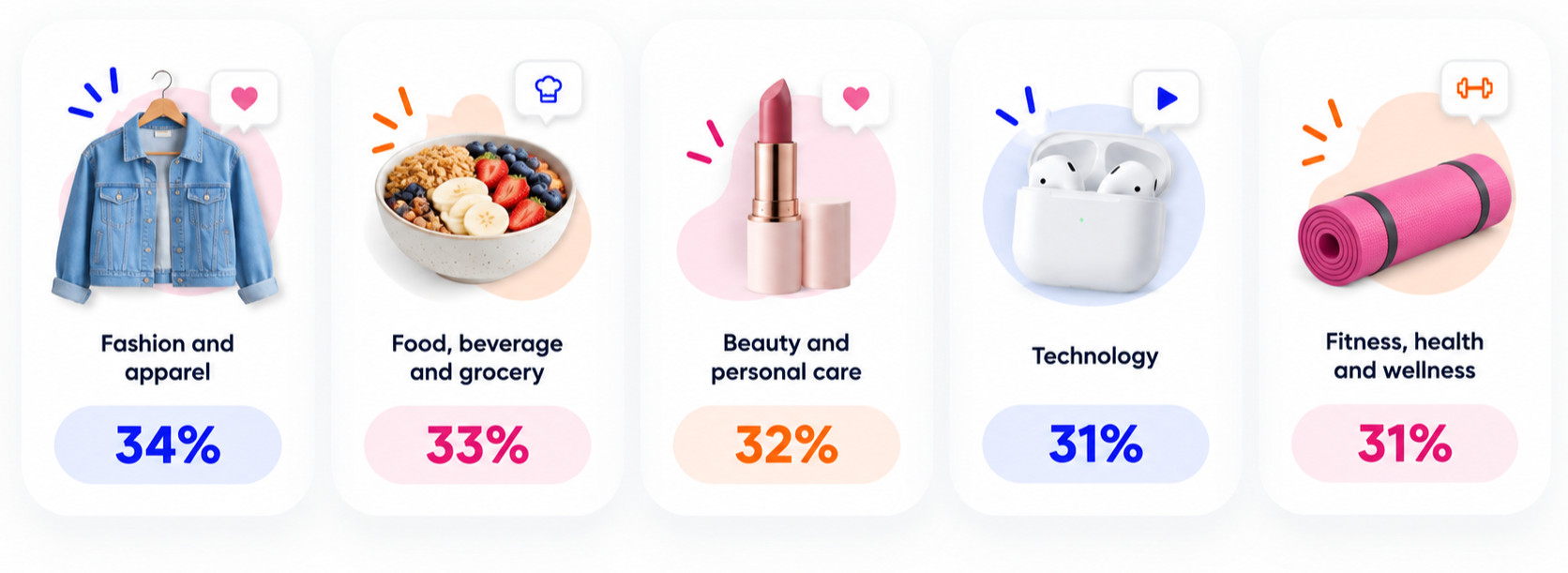
Creator influence inside AI recommendations is already stronger in some categories than others. The report found creator content was considered most important for fashion and apparel at 34%, food, beverage and grocery at 33%, beauty and personal care at 32%, and technology plus fitness, health and wellness at 31% each.
There is a pattern. These are categories where context matters: what something looks like, how it works, how it fits into real life and what someone with experience thinks about it.
Creators can answer questions a product page often cannot. That is why creator marketing is increasingly useful not only as advertising, but as information.
Creator marketing investment is increasing
The report also includes US advertiser data as a directional guide, not an Australian market size estimate. IAB estimated US creator economy ad spend at US$37.1 billion in 2025, up 26% year on year, and forecast it to reach US$43.9 billion in 2026. In IAB’s separate September 2026 Outlook Study, 54% of US ad decision makers said they planned to increase their focus on creator and influencer ads or partnerships in 2026, making it the top ranked ad type in the survey.
The geography matters, but so does the direction of travel. Consumer behaviour is becoming more creator influenced at the same time as advertisers are building creators more firmly into the media mix.
What this means for creator marketing strategy
For brands and enterprise teams:
Treat creator fit, trust and expertise as selection criteria alongside reach. Measure the role creators play across discovery and consideration, not only the final transaction. And think about creator content as an asset that can travel across social, paid media, retail, search and increasingly AI assisted discovery.
For agencies:
The opportunity is to connect creator planning more closely to the rest of the customer journey. That means clearer roles for creator content across discovery, research and conversion, stronger measurement design and less reliance on surface metrics as proof of effectiveness.
For creators:
Audience growth still matters, but the data gives creators another reason to invest in credibility. A clear point of view, real expertise, transparent partnerships and consistent category authority are becoming more commercially meaningful as brands and AI systems both look for stronger signals of trust.
The research points to a more mature version of creator marketing. Growth itself is no longer the only story. Governance, transparency, measurement and accountability are becoming the harder questions.
More investment will make those questions harder to avoid. Better creator marketing will come from answering them.



.jpg)
.jpg)
.jpg)
.jpg)
.jpg)


.jpg)









.png)
.png)













.png)
.png)
.png)

.png)
.png)
.png)
.png)
.png)
.png)
.png)
.png)
.png)
.png)
.png)
.png)
.png)


.png)
.png)