United States
 Australia
 United Kingdom
 Singapore
 Malaysia
 Thailand
 Indonesia


How is AI changing creator marketing for brands and creators?
AI is reshaping creator marketing, but trust still matters most. Learn how brands and creators can use AI for discovery, workflow, safety and scale without crossing the line.
AI is actively rewriting creator marketing. But the question of whether its impact is positive or negative is outdated.
The better question is: where does AI improve creator marketing, and where does it start undermining the very thing that makes the channel work?
The reality is far more nuanced.
Creator marketing has always been built on a simple idea: people trust people. Audiences follow creators because they believe in their voice, taste, personality and recommendations. That relationship cannot be generated with a prompt.
That is why the AI conversation needs more nuance. AI is not automatically good or bad for creator marketing. It depends on where it adds value and where it begins to weaken the trust the channel depends on.
Adobe’s 2026 Creators’ Toolkit Report shows just how quickly AI has become embedded in the creator economy. According to the report, 87% of creators using creative AI say it has accelerated the growth of their business or audience, while 75% describe creative AI as integrated into, or essential to, their workflow.
That tells us something important—creators are not rejecting AI.
They are using it strategically, while drawing the line where it matters.
Adobe also found that 85% of creators say the final creative decision should always remain with the creator.
That is the point brands need to understand. The future of creator marketing is not AI versus creators. It is AI helping creators do what they already do, only better.
Where does AI add value for creators?
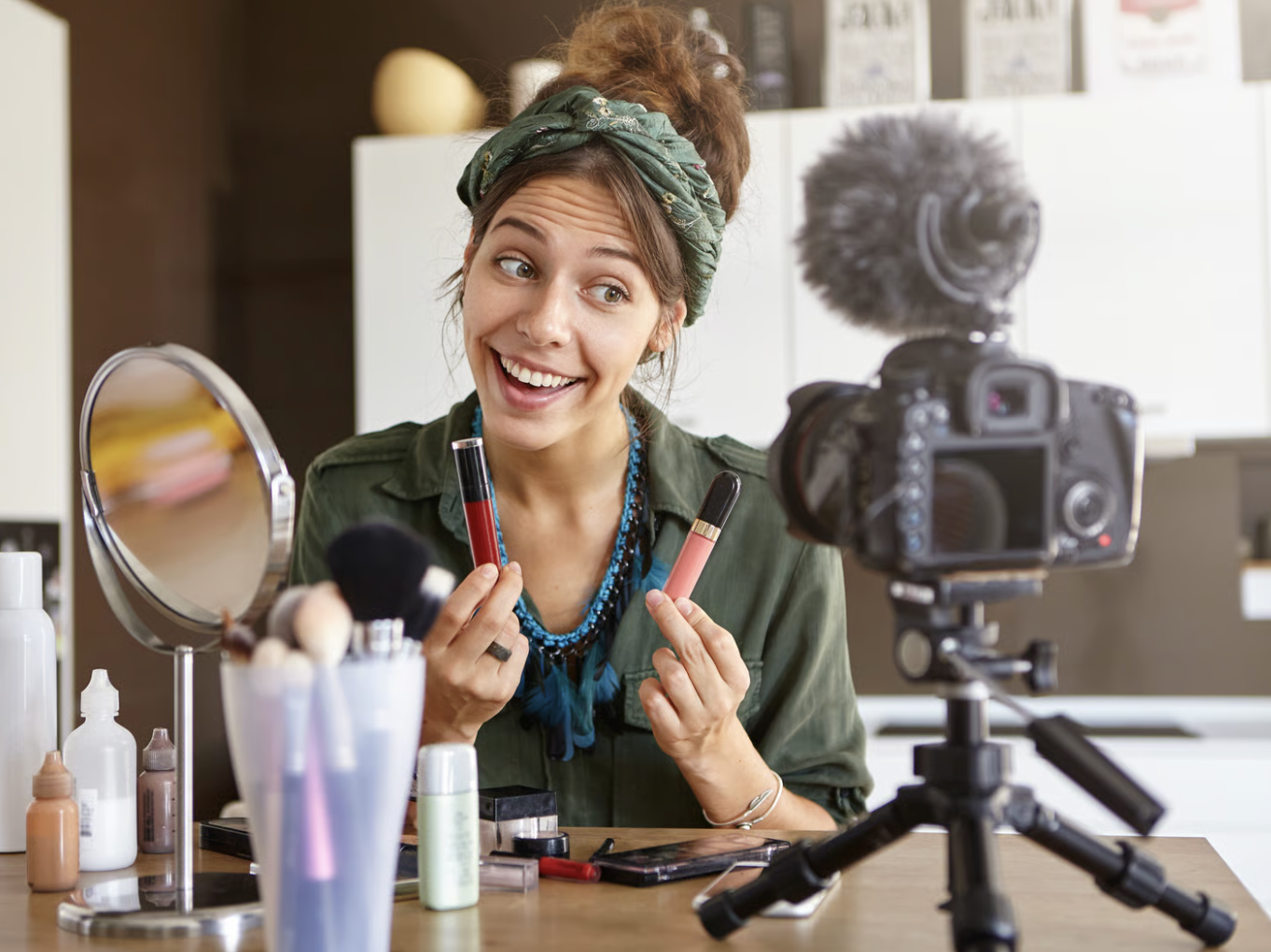
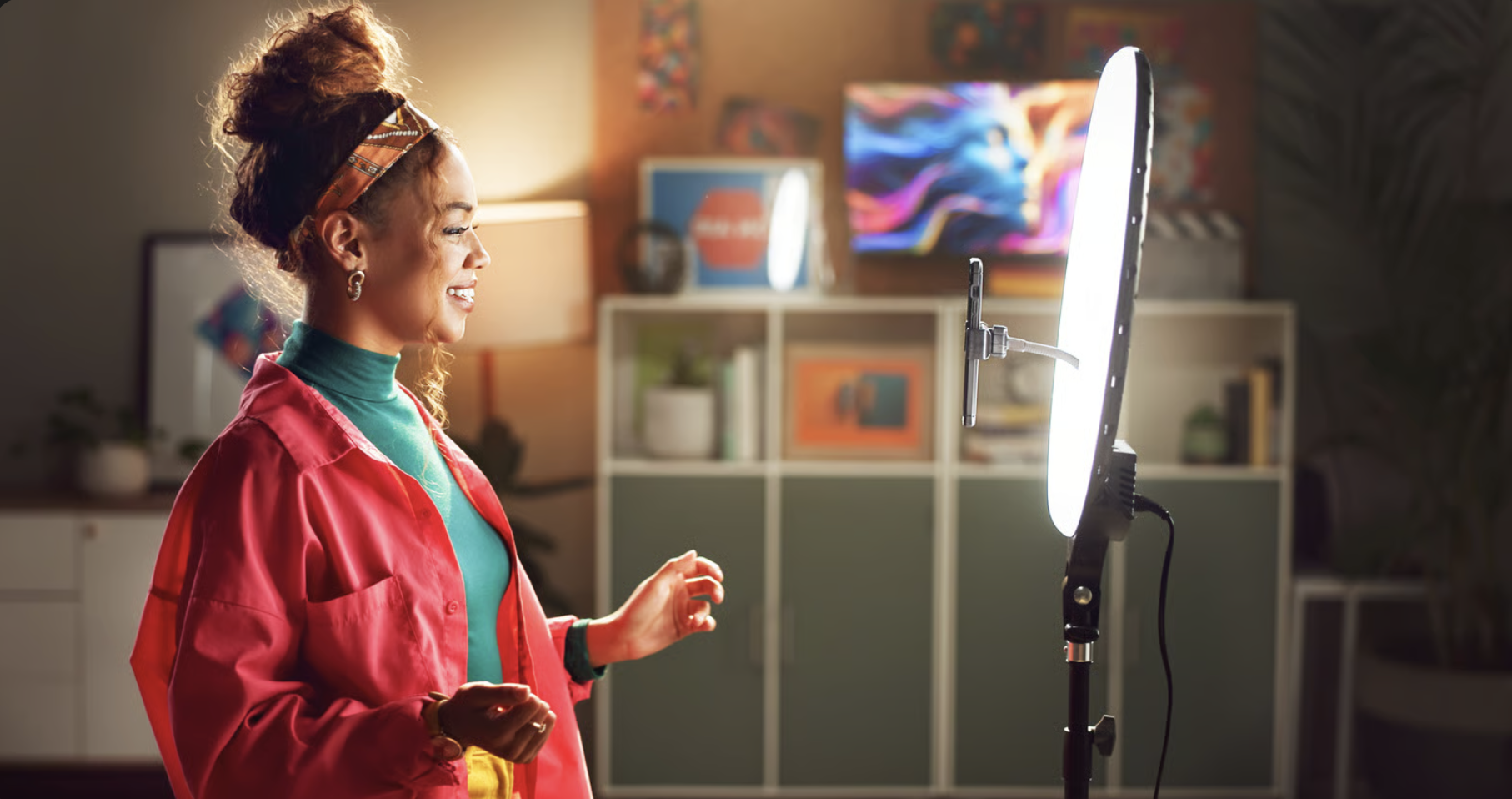
For creators, AI is becoming a workflow tool.
It can help with ideation, editing, scripting, resizing, localisation, captions, production support and content repurposing. It can help creators move faster, test more ideas and compete with larger teams.
Adobe found that 93% of creators say creative AI helps them produce content faster. That speed matters in a content environment where creators are expected to publish more, across more platforms, in more formats than ever before.
But faster does not mean finished.
The same report found that 57% of creators say AI outputs usually require moderate or extensive editing before they are ready to share. That distinction matters. AI can accelerate the first draft, but human taste, judgement and refinement are still what make the work worth publishing.
That is why AI does not remove the role of the creator. It makes the creator’s judgement more important.
When everyone can generate content quickly, output is no longer the advantage. Point of view is. Taste is. Trust is.
The strongest creators will not be those who use AI to produce more generic content. They will be the ones who use AI to sharpen their own voice, extend their creativity and spend more time on the work only they can do.
Where does AI add value for brands?
For brands, the opportunity is different.
AI can make creator marketing more efficient, but its greatest value is not in replacing creators. It is in removing the operational drag that slows campaigns down.
Creator marketing is complex. Behind every campaign sits discovery, shortlisting, audience analysis, briefing, approvals, compliance, content review, reporting and performance measurement.
AI can help brands manage that complexity.
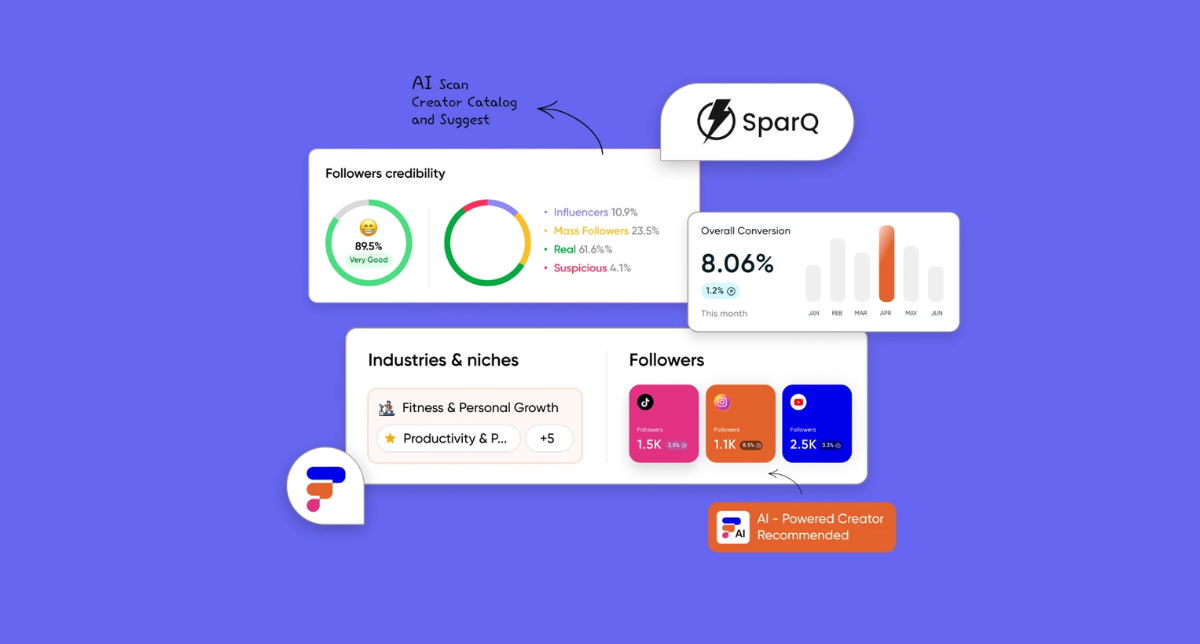
It can analyse large volumes of creator content, improve creator discovery, assess audience fit, flag brand safety risks, identify sponsorship mentions, support reporting and reduce the manual work involved in campaign management.
That matters because many creator marketing workflows remain heavily manual. Teams spend hours reviewing profiles, checking content, comparing metrics and assessing whether a creator is right for a campaign.
AI can make that process faster and more consistent. But the important distinction is this: AI should support human decision-making, not replace it.
The final decision still needs human judgement.
AI is not deciding whether a creator is right for the brand. It is helping marketers make better decisions, faster.
That is where AI creates its greatest value for brands.
Where are brands going wrong?
The biggest mistake brands can make is treating AI as a content replacement engine.
Too many AI conversations begin with the same objective: how can we produce more content, faster and for less money?
That may improve efficiency, but it misunderstands why creator marketing works.
Brands do not invest in creators simply because they can produce content. They invest in creators because creators have built trust with their audiences over time. They have developed a voice, a community and credibility that cannot be copied by a machine.
As AI makes content easier and cheaper to produce, content itself becomes less scarce. Endless videos, captions, images and scripts are no longer the competitive advantage.
Trust becomes the scarce asset.
This is where AI becomes a risk. Not because AI exists, but because it can blur what audiences are actually seeing.
If AI is helping translate a creator’s content into another language, that can add value. If it is improving accessibility through captions or dubbing, that can improve reach. If it is helping edit or adapt existing creative, that can support the creator’s work.
But if AI is creating endorsements that never happened, recreating someone’s likeness without permission or presenting synthetic content as authentic human experience, the brand has crossed the line from creativity into deception.
That is not just a technology issue. It is a trust issue.
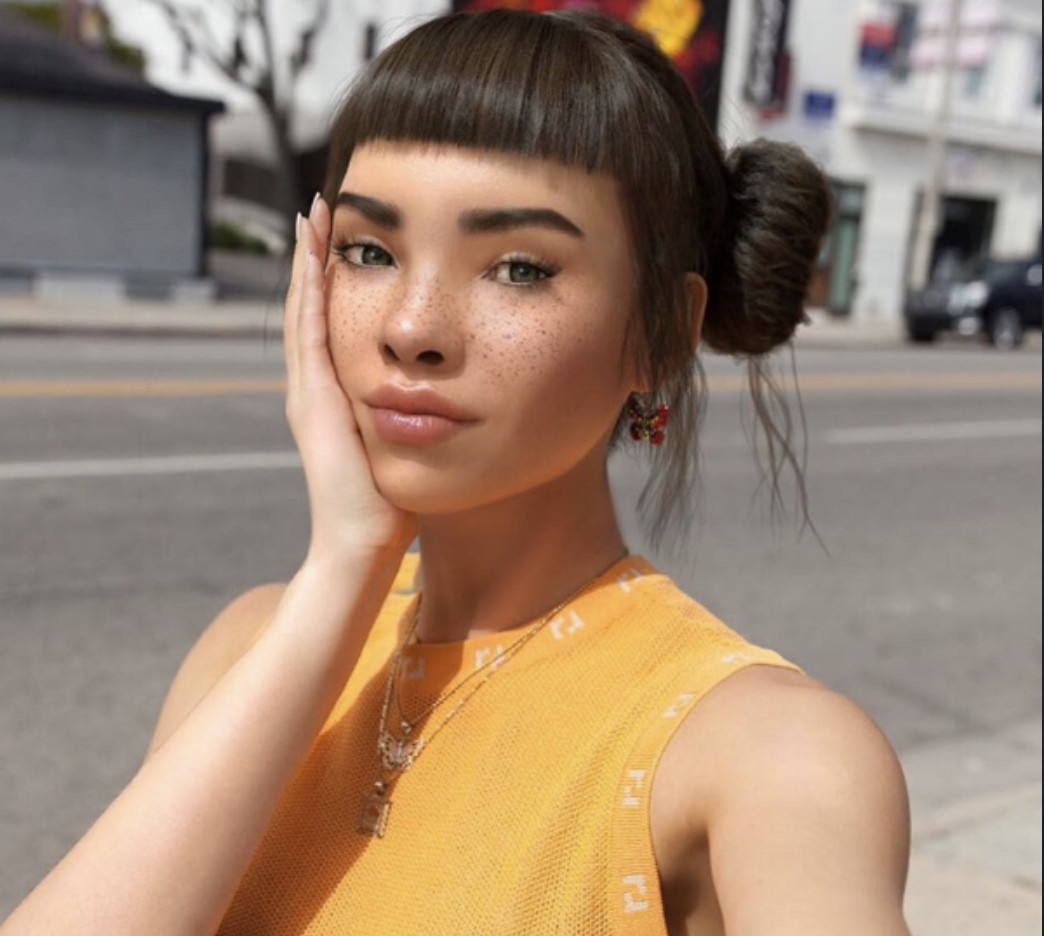
AI-assisted content vs AI-generated replacement talent

There have been recent cases that blur the line between AI-assisted content and AI-generated replacement talent.
Kiwi fashion brand Huffer was accused of using AI-assisted images resembling models it had previously worked with in a marketing campaign. Model Elijah Timmins-Scanlon claimed the images were not just a resemblance of him but appeared to “combine” elements of both him and his brother.
That is the real issue. AI is not the problem. A lack of transparency, consent and accountability is.
The fact that these concerns are being raised shows the industry has entered new territory. AI has made it easier than ever to create realistic images, video and audio, which means brands need to be much clearer about how creator content, likeness and voice can be used.
Audiences are also becoming more aware of that line.
Adobe’s report found that 85% of creators say audience expectations around AI disclosure are increasing or holding steady. At the same time, only 49% say they always or often disclose AI use, while 18% rarely or never do.
That gap matters.
Creators and brands know audiences care about disclosure, but the industry is still working out what meaningful transparency should look like.
Usage rights used to be simple: can the brand repost the content, use it in paid media, and for how long?
Now the questions are bigger.
Can AI be trained on the content? Can new assets be generated from it? Can a creator’s face, voice or likeness be replicated? Can derivative content be produced after the campaign ends?
These are no longer just technical questions. They are commercial, legal and ethical ones.
That is why transparency matters. When creators raise concerns, brands should engage openly rather than stay silent. Trust is built through clarity.
At Fabulate, we believe AI should augment human judgement, not replace it. Brand safety is a good example. AI can review thousands of videos, captions, comments and images in minutes, flagging potential risks for human review.
AI is not making the decision. It is helping people make better decisions, faster.
That is where AI creates real value: not by replacing creators, but by helping brands and creators work with more speed, clarity and accountability.
What guardrails should brands have before using AI in creator campaigns?

Assuming AI changes the fundamentals of creator marketing is where brands can go wrong.
Great creator campaigns still need the same things they always have: the right creator, a strong creative idea, audience relevance and trust.
AI does not replace those foundations. It simply adds new responsibilities.
Before using AI in a creator campaign, brands need clear guardrails.
1. Consent must come first
If AI is being used to alter, recreate or extend a creator’s likeness, voice or content, that needs to be clearly agreed in writing.
A creator’s face, voice and identity are not just assets. They are part of their business.
2. Transparency needs a policy
Brands should know when to disclose the use of AI to creators, partners and audiences.
If AI has meaningfully shaped what people are seeing, hearing or believing, the brand should be able to explain how it was used.
3. Humans stay accountable
AI can support analysis, workflow and production, but it should not be the final decision-maker.
Humans should remain responsible for campaign decisions, creative approvals, brand safety and ethical judgement.
4. Contracts need to catch up
Creator agreements need to cover AI-specific rights that did not exist a few years ago.
That includes:
- Whether AI can be trained on creator content
- Whether derivative assets can be created
- Whether a creator’s voice or likeness can be replicated
- How long do those rights last
- Which markets or platforms do they apply to
These questions should be answered before the campaign goes live, not after.
5. Quality should improve, not drop
AI should raise the standard of creative work.
Producing more content has little value if the output becomes generic, repetitive or disconnected from the audience. Speed is useful only if it supports stronger work.
The simplest test is this: why are we using AI here?
If the answer is to improve quality, remove repetitive work, help creators reach new audiences or make campaigns more effective, AI is probably being used well.
If the answer is simply to avoid paying for human creativity, the brand is likely optimising for the wrong outcome.
AI will undoubtedly reshape creator marketing over the next decade. But the future does not belong to AI-generated creators replacing humans.
It belongs to trusted creators who are empowered by intelligent technology to create better work, build stronger communities and deliver more value for brands.
.jpg)
.png)
.png)
.jpg)

.jpg)
.jpg)
.jpg)
.jpg)
.jpg)


.jpg)







.png)
.png)










.png)
.png)
.png)

.png)
.png)
.png)
.png)
.png)
.png)
.png)
.png)
.png)
.png)
.png)
.png)
.png)



.png)
.png)