United States
 Australia
 United Kingdom
 Singapore
 Malaysia
 Thailand
 Indonesia


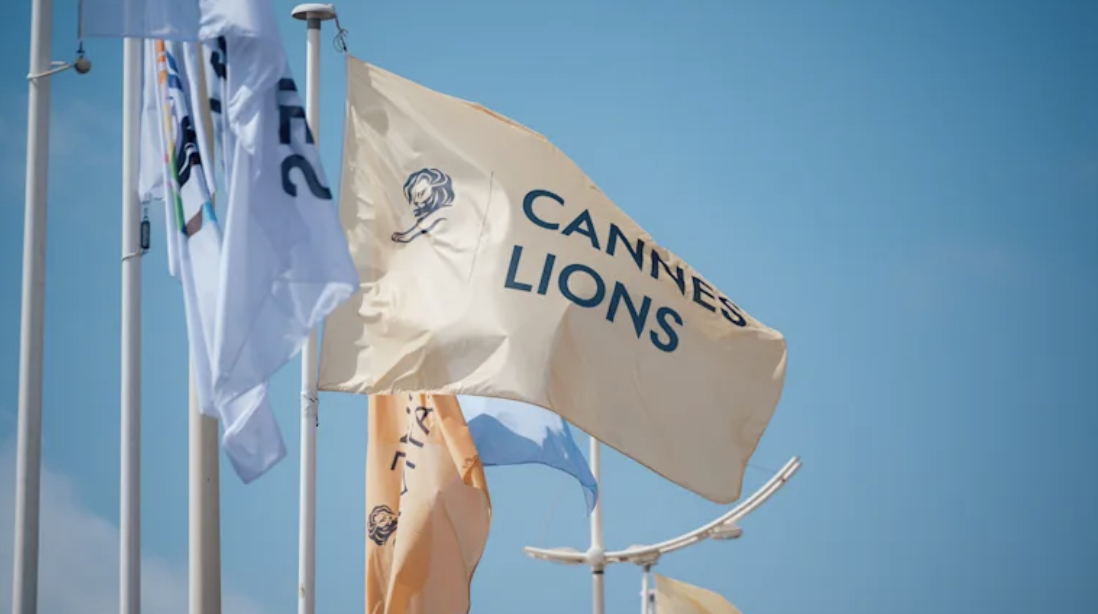
Cannes 2026 made it clear: Creators are now business infrastructure
Seven Cannes Lions 2026 takeaways for brands on creator ecosystems, AI, entertainment, community, effectiveness and the future of creator marketing.
This year’s Cannes Lions was monumental for the creator economy.
Some attendees described it as two festivals in one: “the advertiser festival” and “the creator festival.” That split says a lot.
Most importantly, Cannes confirmed what influencer land has been signalling for years: creators are no longer sitting on the edge of marketing strategy.
They are moving into the centre of it.
The conversation has shifted from influencer campaigns to creator ecosystems. Creators are no longer just people who promote products or post branded content. They are being treated as founders, media companies, entertainment partners, community builders and long-term business collaborators.
That changes the role creators play for brands.
The next phase will not be won by brands that simply book creators for reach. It will be won by brands that understand how to build with creators over time.
Creators are becoming business partners, not campaign add-ons

One of the clearest signals from Cannes 2026 was the growing split between traditional advertising conversations and creator-led conversations.
Creators are no longer just part of the media plan. They are becoming part of the business model.
That means brands need to stop treating creator partnerships as short-term campaign activations and start thinking in terms of longer-term creator ecosystems.
This could include co-created IP, recurring content formats, ambassador partnerships, community-led product launches, creator-led commerce and strategic partnerships that extend beyond a “single paid post gig”
The opportunity is bigger than borrowing a creator’s audience for a moment. It is about building brand relevance through creators who already understand culture, community and attention.
AI is useful, but creativity still wins
Cannes also showed that the AI mindset is maturing from “existential threat” to “practical application”
The industry jury has moved past the idea that AI is either a magic solution or a creativity destroyer — the more useful conversation is about where AI can improve creativity.
For creator marketing, AI has clear value. It can improve discovery, speed up workflows, support production, strengthen brand safety and make measurement more efficient.
But AI does not replace originality, taste or cultural relevance.
As production becomes easier, creativity becomes more important. When anyone can generate content quickly, brands need creators who can contribute ideas, not just output.
The strongest creator partnerships will not be built around volume. They will be built around distinctiveness: the creator’s voice, their point of view, their audience's trust and their ability to make content people actually want to watch.
Entertainment beats interruption
Another clear Cannes takeaway: the best brand work no longer behaves like an interruption.
It behaves like entertainment.
Creator marketing sits naturally inside this shift. Creators know how to make content that audiences seek out, share, remix and return to. They understand pacing, humour, fandom, platform behaviour and community cues in a way traditional advertising often struggles to replicate.
For brands, this means the brief needs to evolve.
The goal should not be to force creators into ad-shaped content. The goal should be to work with creators as entertainment partners who can build formats, moments and stories that feel native to the audience.
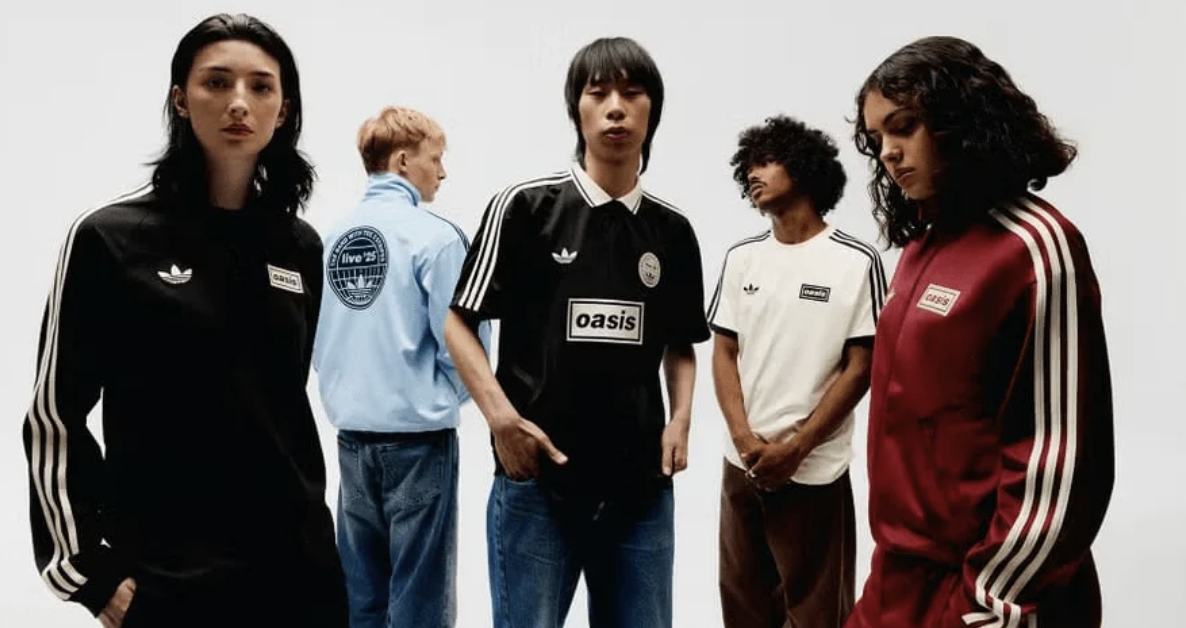
The best display of the notion “creativity that turns branded content into culture” was the Adidas x Oasis collaboration — bagging the top prize in the Entertainment Lions category.
Community beats audience size
Cannes also reinforced a shift that creator marketing has been campaigning for some time: community is becoming more valuable than scale alone.
Your follower count might matter, but it is no longer enough.
Brands need to understand whether a creator has an active community, not just a large audience.
Do people comment with intent? Do they trust the creator’s recommendations? Do they participate? Do they come back? Do they see the creator as a credible voice in the category?
This is where smaller and more niche creators can often outperform larger names.
Influence is not built through scale alone. It is built through trust, consistency and intention.
For brands, that means creator selection should focus less on who has the biggest following and prioritise community influence, participation, and trust.
Effectiveness is now expected
Creator marketing can no longer rely on soft metrics alone.
Reach and engagement still matter, but they are only part of the picture. Cannes made it clear that effectiveness is now expected across the industry.
For creator campaigns, that means brands need stronger measurement frameworks. Creator activity should connect to brand and commercial outcomes, not just likes, views and comments.
That could mean measuring awareness, consideration, traffic, content performance, sales impact, brand lift, community growth or long-term creator value.
The point is not that every creator campaign needs to drive immediate sales. The point is that brands need to know what success looks like before the campaign begins.
Utility is becoming part of creativity
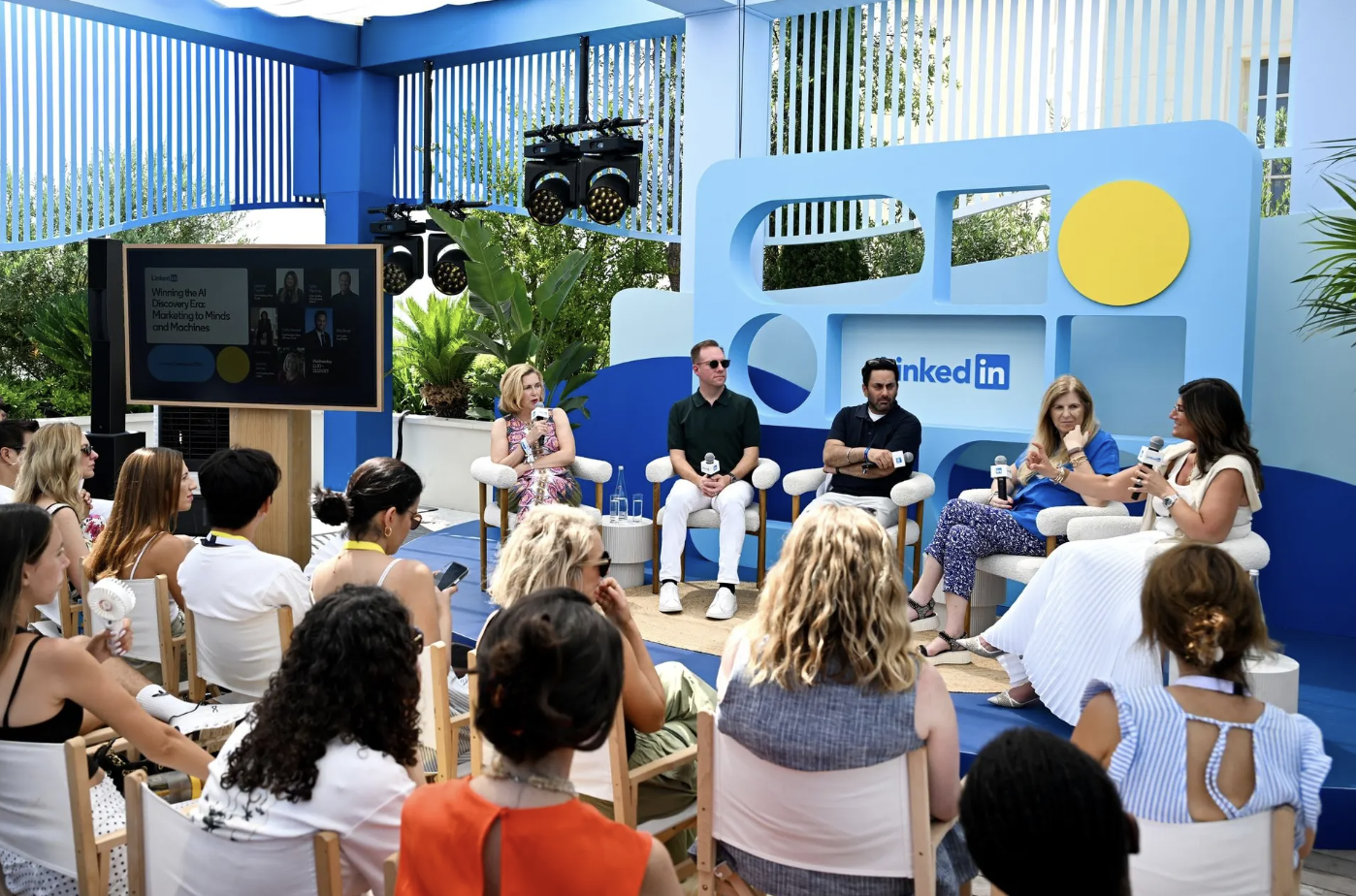
Cannes also showed that creativity is increasingly being judged by what it does, not just what it says.
More brand work is solving practical customer problems through products, services, experiences and tools. That matters for creator marketing because creators can play a larger role than just communicating a message.
Creators can help brands understand customer needs, test ideas, shape product feedback, build community experiences and translate brand utility into content people understand.
That creates a bigger opportunity.
Instead of briefing creators only after the strategy is done, brands should bring creators closer to the problem they are trying to solve.
The best creator partnerships may increasingly start before the content brief.
The next frontier is AI discovery
The first audience is human: the people scrolling, watching, sharing and buying.
The second audience is AI: the systems that increasingly summarise, recommend and surface information about brands.
As people use AI tools to research products, compare options, and make decisions, creator content may start to influence how brands appear in AI-led discovery environments.
That means the creator's strategy may need a second lens.
Brands will still need creators who build trust with real communities. But they may also need to understand how creator content contributes to their visibility, credibility and share of voice inside AI systems.
This is still emerging, but it is worth watching closely.
The future of creator measurement may not stop at social reach. It may also include how often, how accurately and how favourably AI systems describe a brand.
The key takeaway is simple.
As Oprah Winfrey put it at Cannes: “Influence isn’t built through scale. It’s built through intention.”
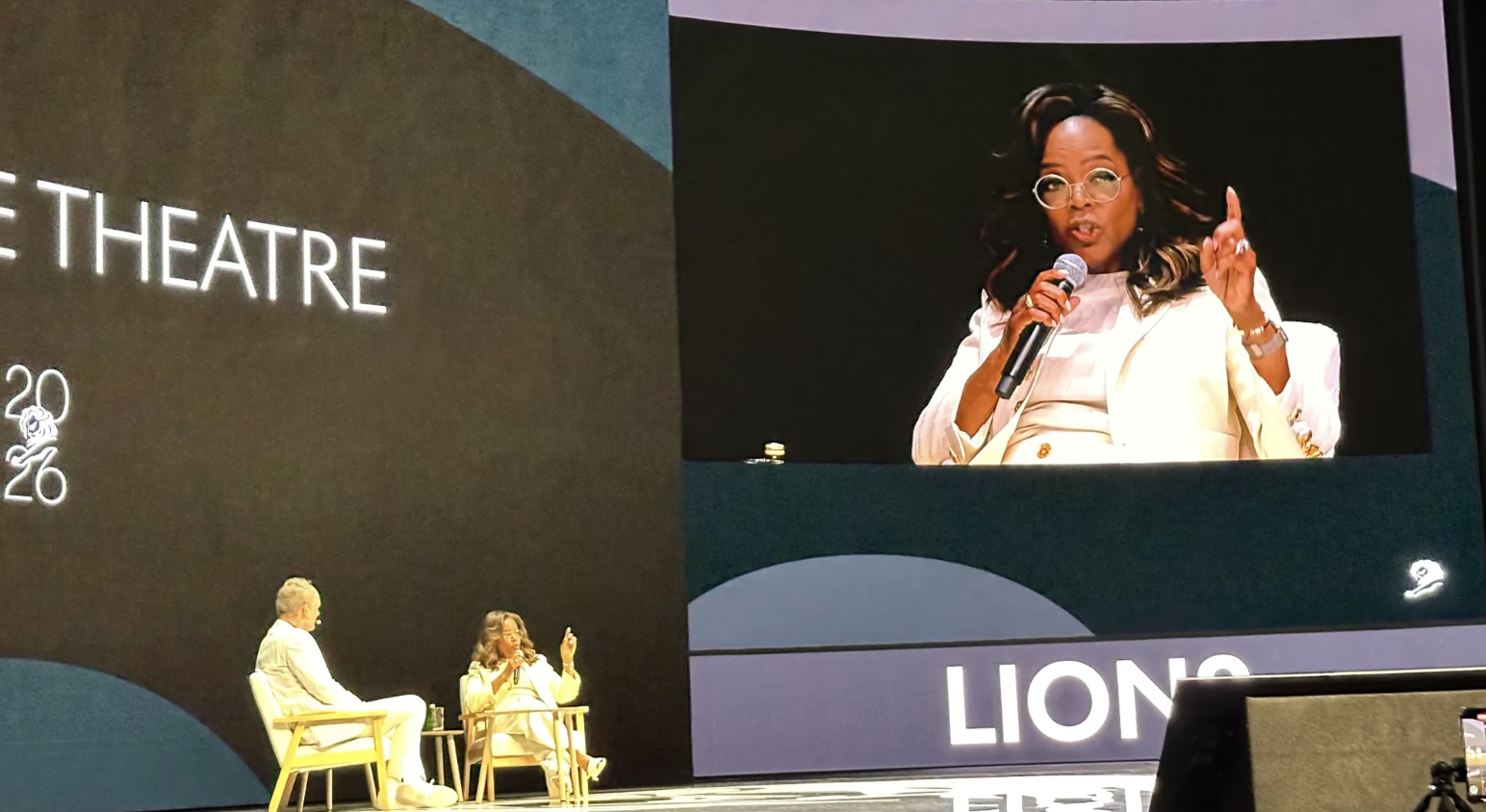
That line cuts through the noise. Creator marketing is not about chasing the biggest audience in the room. It is about building trust, alignment and long-term relationships with communities that actually care.
.jpg)
.png)
.png)
.jpg)


.jpg)
.jpg)
.jpg)
.jpg)
.jpg)


.jpg)







.png)
.png)








.png)
.png)
.png)

.png)
.png)
.png)
.png)
.png)
.png)
.png)
.png)
.png)
.png)
.png)
.png)
.png)

.png)
.png)